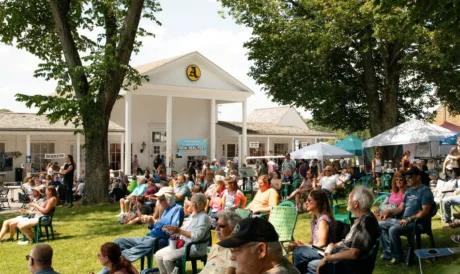
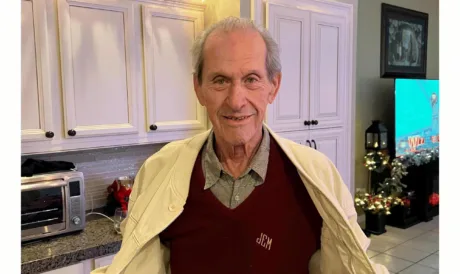
ARTHURDALE – As far as Elmer Rich was concerned, he had himself a pretty good deal that sunny July afternoon back in 2013. Rich, who was then 94 and a star on the old-time fiddle…

ARTHURDALE – As far as Elmer Rich was concerned, he had himself a pretty good deal that sunny July afternoon back in 2013. Rich, who was then 94 and a star on the old-time fiddle…
The owners of a West Virginia construction company are accused of not paying back the vast majority of $51,000 they…
CLARKSBURG, WEST VIRGINIA – A North Carolina man will spend the next two years behind bars for attempting to receive…
MORGANTOWN – It appears as if a project to upgrade the Krepps Park playing courts may land a local contractor…
MORGANTOWN - Dave and Buster’s held a ribbon cutting ceremony for their new Morgantown location at 228 Brattice Drive in…
A warm, late-summer sun set the perfect stage at WVU’s Core Arboretum for this year’s Pawpaw Festival, drawing a enthusiastic…

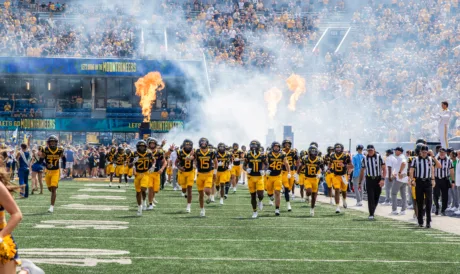
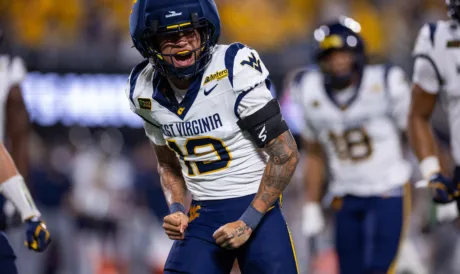
MORGANTOWN — By this time last year, meaning three games in, West Virginia football…

MORGANTOWN - University High School basketball standout Luke Byrer has steadily risen as an…
Donna Kay Paternostro, 62, passed away on Monday, September 7, 2026, at her home. Hastings Funeral Home has been entrusted with cremation arrangements. A full obituary can be viewed at www.hastingsfuneralhome.com
Clara B. Gentile, 96, of Star City, passed away Sunday, September 20, 2026, in her home,…