Latest News, Local Government

Trumble, Downs to lead council, body approves ‘hostile architecture’ ban

MORGANTOWN – As it does to begin the first meeting in July each year, Morgantown City Council selected its leadership on Tuesday.

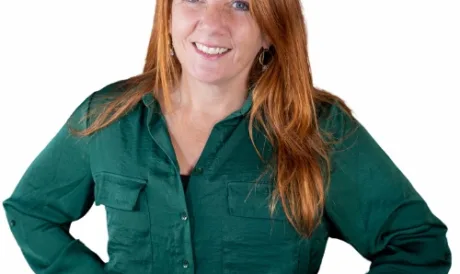
Danielle Trumble, representing the 5th Ward, will return for a second term as mayor.

Mark Downs, representing the 6th Ward, was selected to serve as deputy mayor.

Both were nominated by Councilor Brian Butcher, who spent the last year in the deputy mayor role.

Trumble’s nomination was supported unanimously by the body.

Council split 4-3 in the vote for deputy mayor between Downs and Jenny Selin.

Downs supported his nomination for the position, as did Jodi Hollingshead, Trumble and Butcher.

Louise Michael nominated Selin. Joe Abu-Ghannam supported the nomination, as did Michael and Selin. 

Downs, beginning his second year as a member of council, thanked Butcher for both his support and service in the leadership role.

“Brian, appreciate your leadership as deputy mayor during the last year. You served the community well and set a high standard for the position that I hope to uphold and build upon, so thank you,” he said.

Once down to business, the body moved through a handful of agenda items, including passage of a resolution prohibiting the city’s use of “hostile architecture” in public infrastructure on public property or public rights-of-way.

The body split 5-2 on the issue, with Michael and Selin voting in the minority.

Per the resolution, hostile infrastructure is defined as, “physical design features installed on public infrastructure primarily intended to deter people from resting, sitting, lying down, or remaining in a particular area, when such features operate as a deterrent through discomfort, exclusion or restriction rather than through legitimate safety, security or operational necessity.” 

While benches are seemingly the lone example of hostile architecture currently identified in the city – and the focus of much of Tuesday’s discussion – the resolution also addresses the use of anti-sitting protrusions, rollers or planters installed on flat surfaces to prevent people from sitting or lying down.

In terms of benches, designs featuring slanted or segmented surfaces are considered hostile.

A bench located on High Street near Iron Horse Tavern is considered “hostile architecture” due to the center divider.

City Manager Jamie Miller explained staff are aware of approximately 15 city-owned benches that include center armrests that segment the seating area. She said Mountain Line has indicated that it has 18-20 similar benches, and BOPARC has three.

Selin said she would have preferred council bring a resolution in support of more seating options overall, instead of relegating its desire for additional public seating to a line in a resolution about hostile architecture.

“I am unequivocally in favor of benches. I wish that it wasn’t in the format of hostile architecture that we were talking about benches. I wish we were doing our inventory, having our model benches of what we wanted in the positive versus framing it in this way,” Selin said. “I would like to see this wait until we had something in the positive that we could promote as Morgantown wanting to develop ways to get more benches – have people consider donation – and have a model versus calling a bench potentially hostile that might be useful to some and not useful to others.”

Both Selin and Michael said the city has not made a practice of being hostile about people sitting in public spaces.

Butcher, who brought the legislation forward, pushed back, pointing to Miller’s report on the number of segmented benches currently in the city.

Further, he said the point of the resolution is to ensure that city-implemented architecture is as accommodating as possible going forward.

“That’s the whole point, right? Is that when we’re talking about building benches, and we’re building other public features – this isn’t just benches — I know that’s all we’ve talked about. But when we’re talking about all kinds of public features anywhere we’re putting in any kind of new public spaces, that we want to make sure that we’re as welcoming and as accommodating to everybody as possible,” he said.

Passage of the resolution doesn’t require the city to immediately replace any current benches or features considered hostile. It opens a 180-day window to inventory public infrastructure and, where feasible, identify opportunities for removal, modification or replacement of prohibited features.