Continuing the story: The first five years of a lifelong commitment to visual storytelling in West Virginia
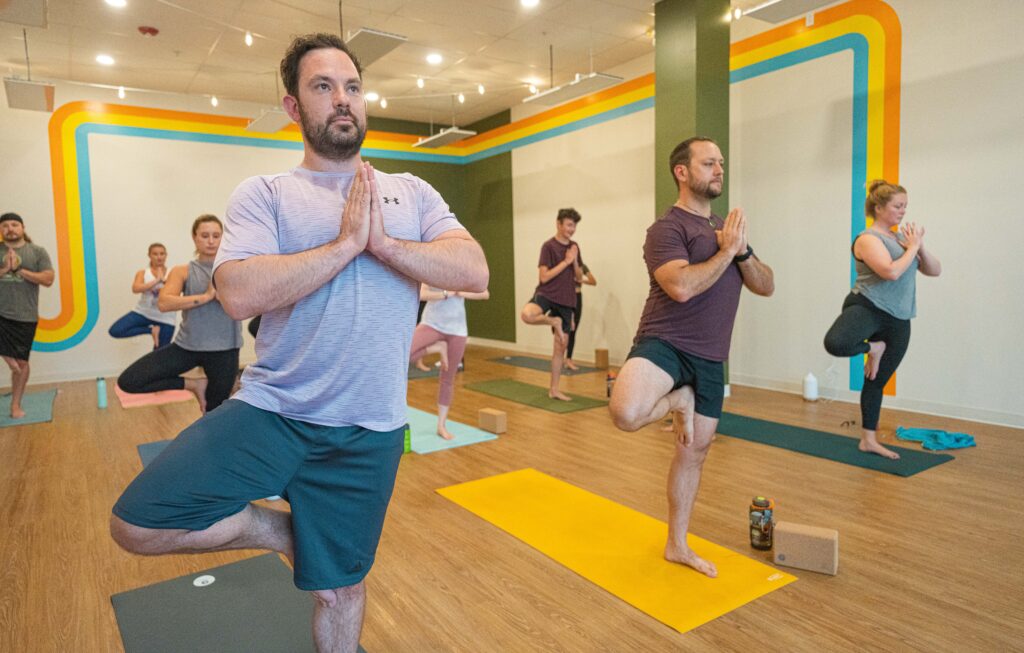
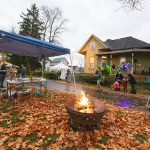
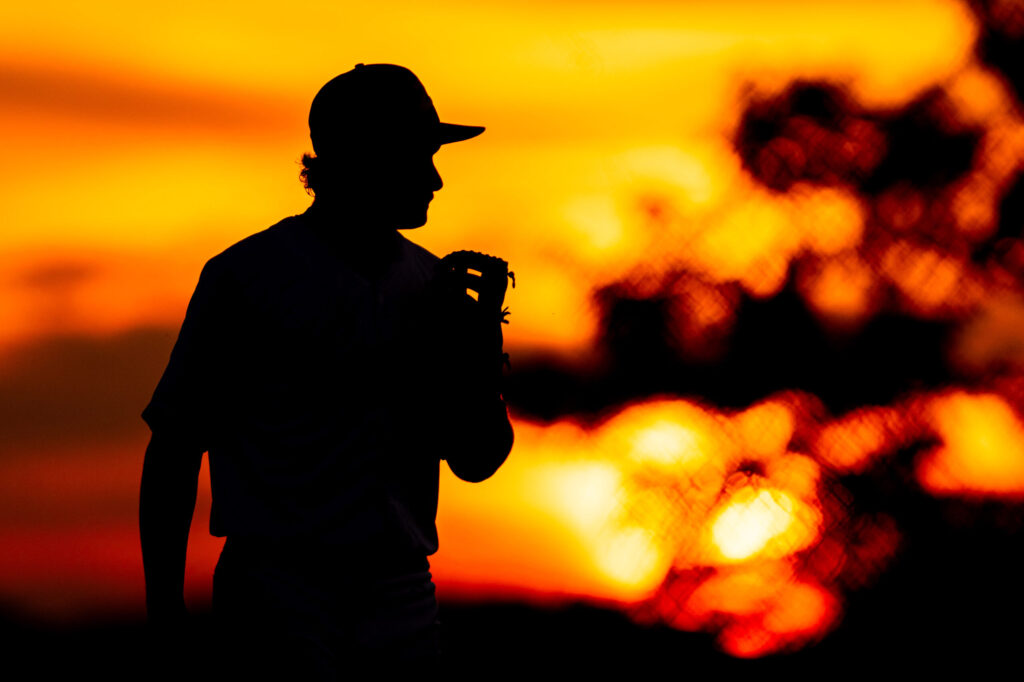
Brandon Maine warming up during & Yoga's evening class - 08/19/2021
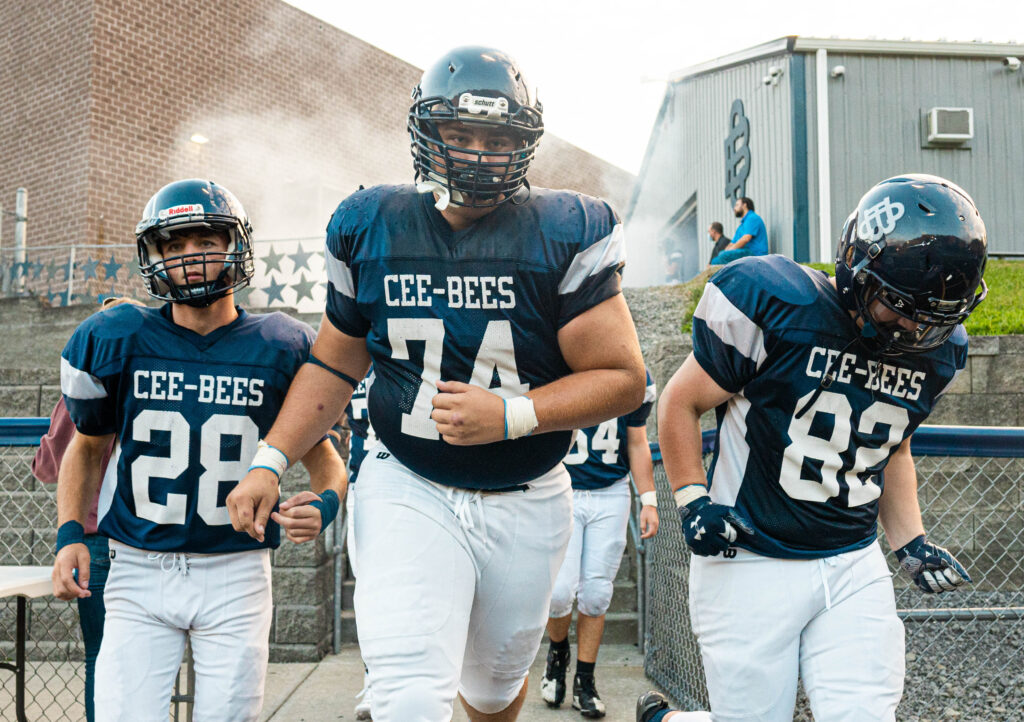
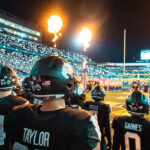
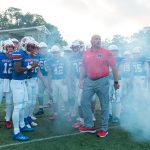
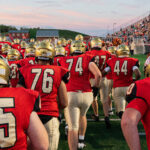
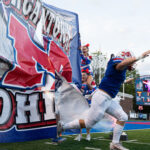
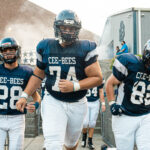
CBHS Football Team makes their way to the field during CBHS vs BVHS Football Game on Friday. 09/17/2021
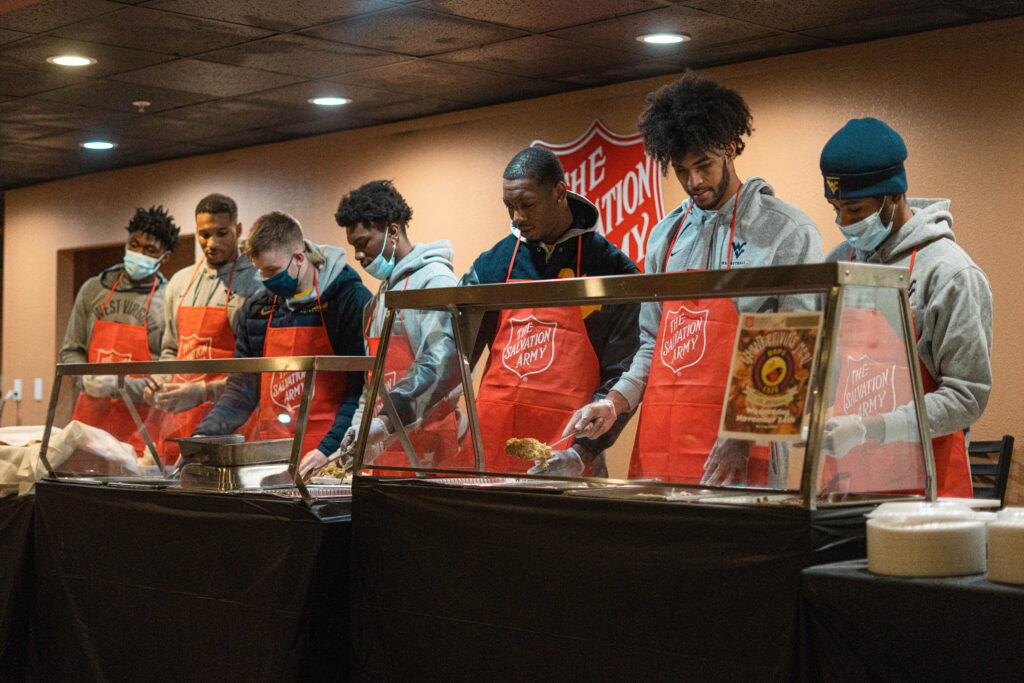
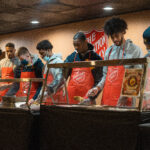
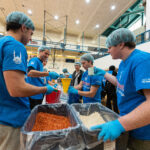
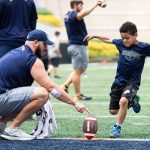
WVU Men's Basketball Team work together to serve meals to community members on Wednesday. (Benjamin Powell/ The Dominion Post)
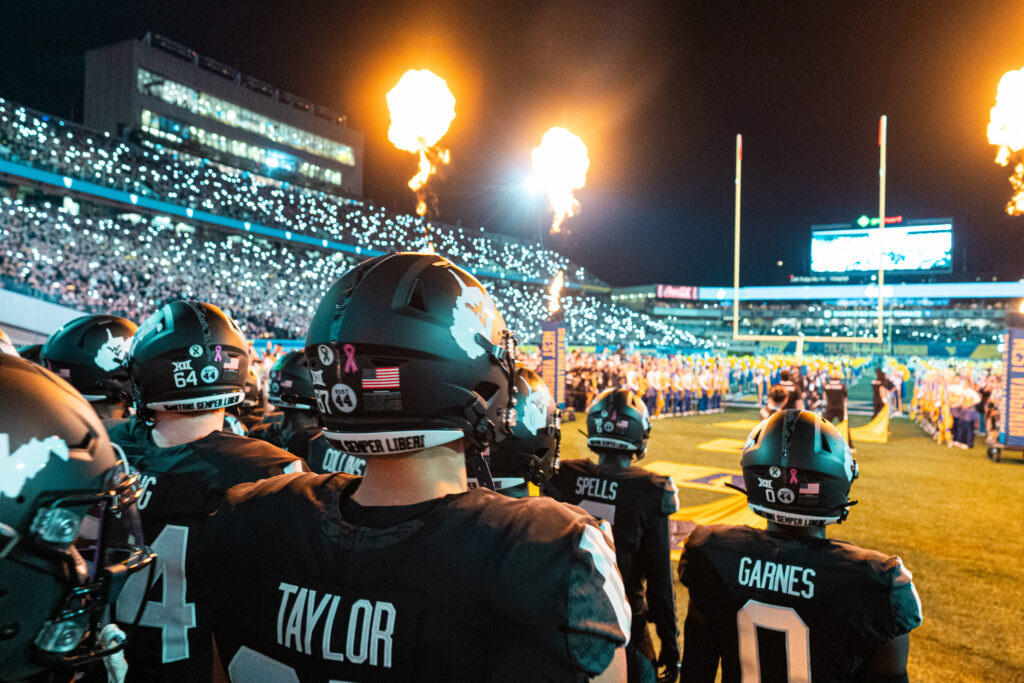
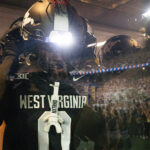
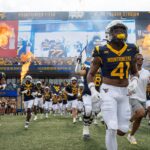
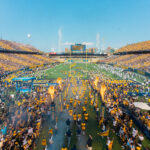
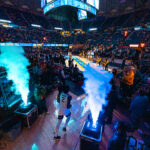
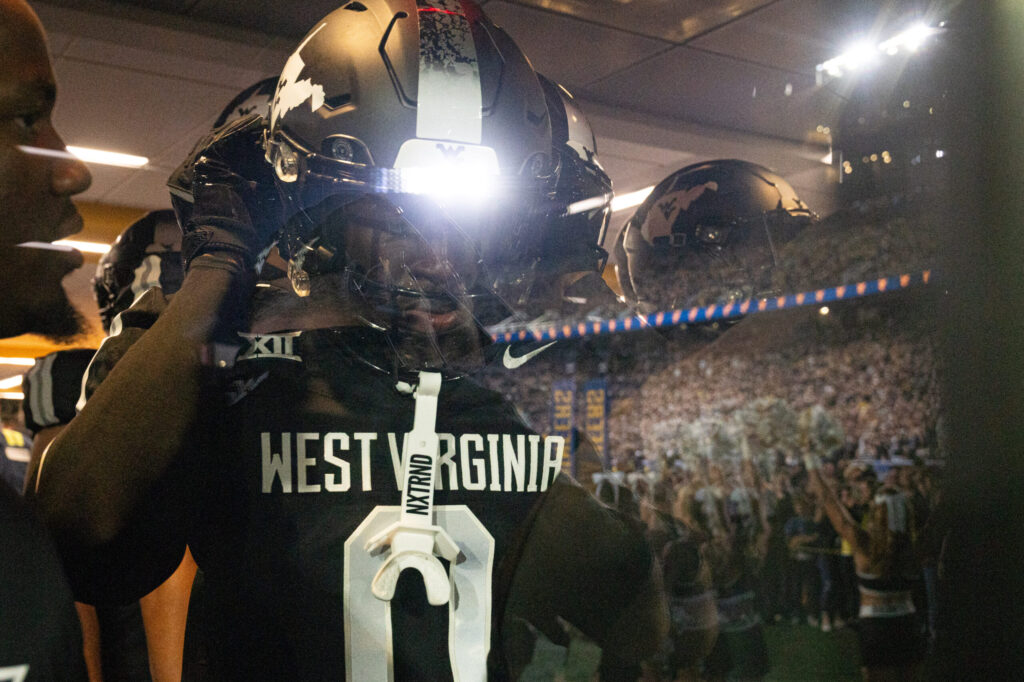
The West Virginia Football team races out onto Mountaineer Field on Saturday night while debuting their new "coal rush" themed uniforms during their game against Iowa State.
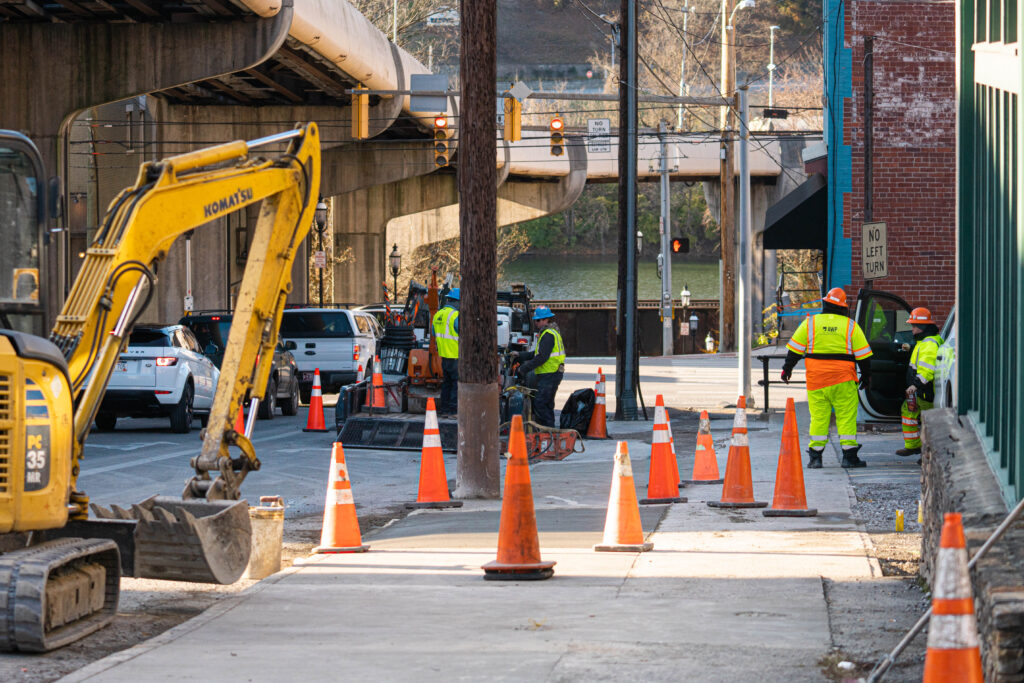
Area Wide Protective continues their sidewalk construction due to a pass leak a couple months back on Walnut Street across from the County Sheriff's Office with the right lane closed off on Monday. Labor Workers Jordan Coble and Jon Stockert gives a rough estimate of one to two weeks of work left to go.
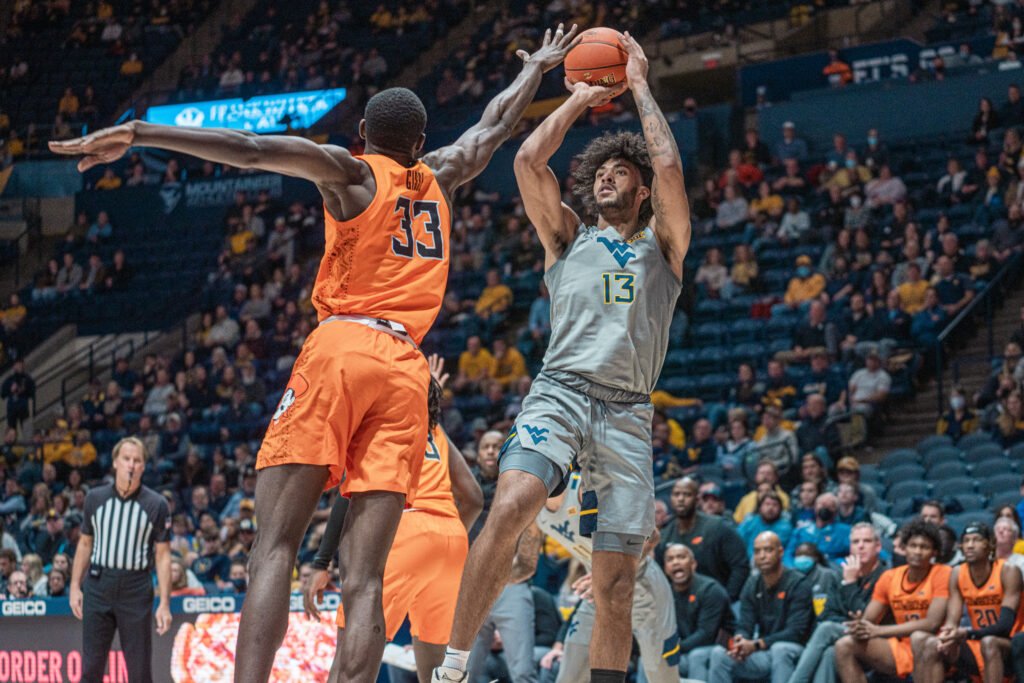
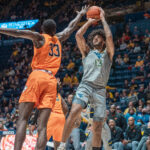
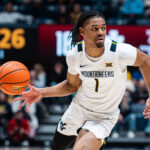
West Virginia's #13 Isaiah Cottrell takes a shot at the three point line on Tuesday.
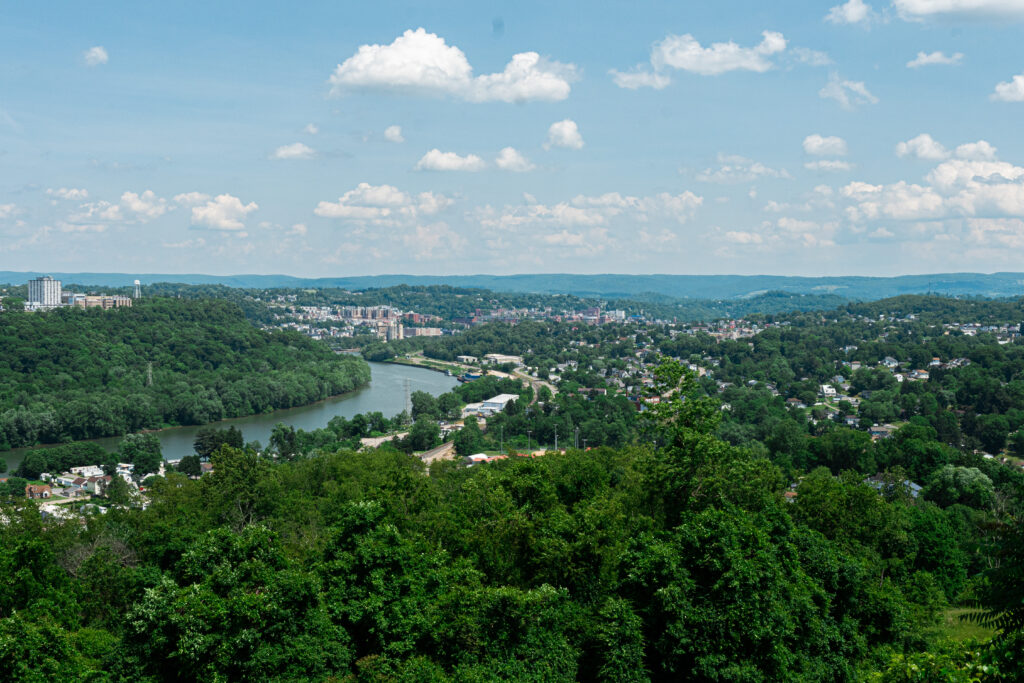
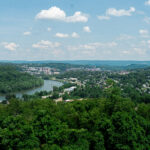
Morgantown is filled with sunny weather this week with temperatures reaching the 90s while rain is expected for Thursday.
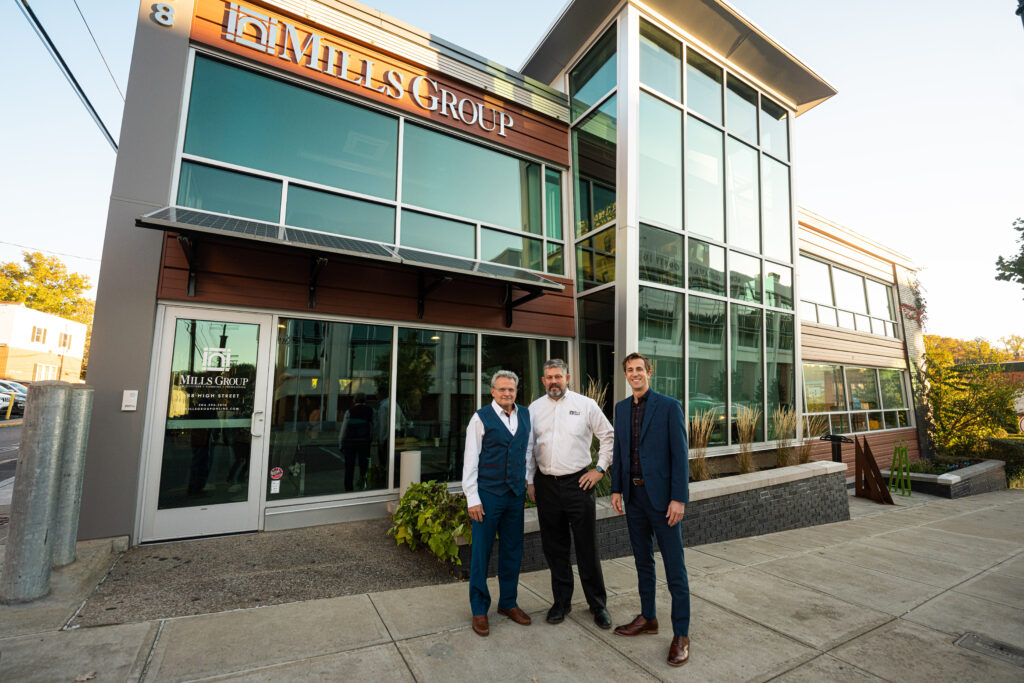
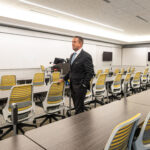
Victor Greco, left, Michael Mills and Ryan Hess pose for a picture in front of Mills Group building on Friday.
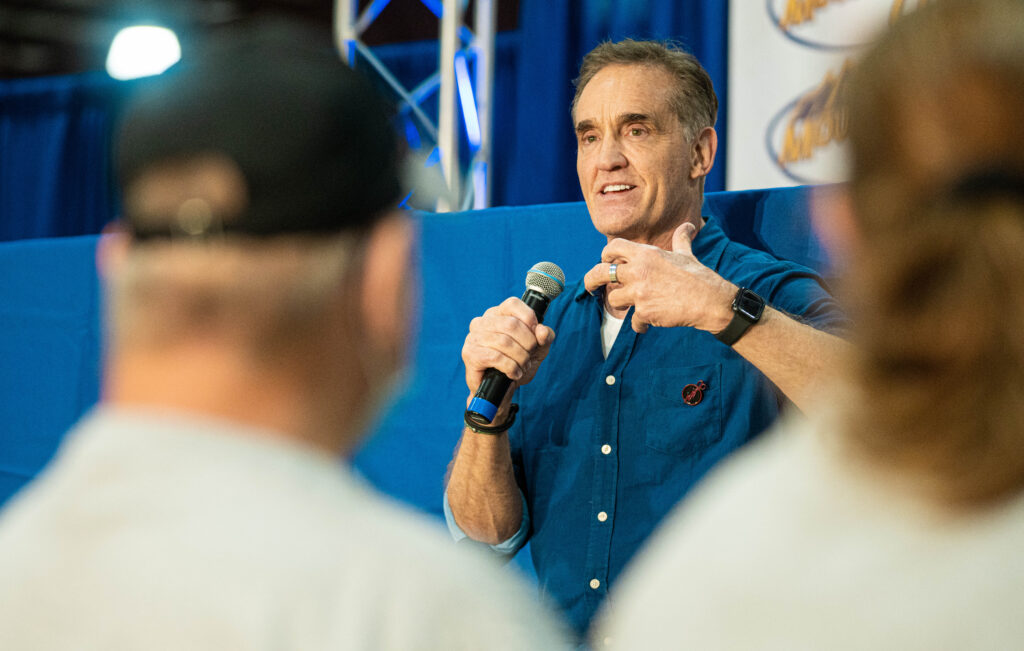
Actor/Celebrity Quest John Wesley Shipp talks with fans about his story and career during Mountaineer Comic Con 2021 on Friday. 09/24/2021
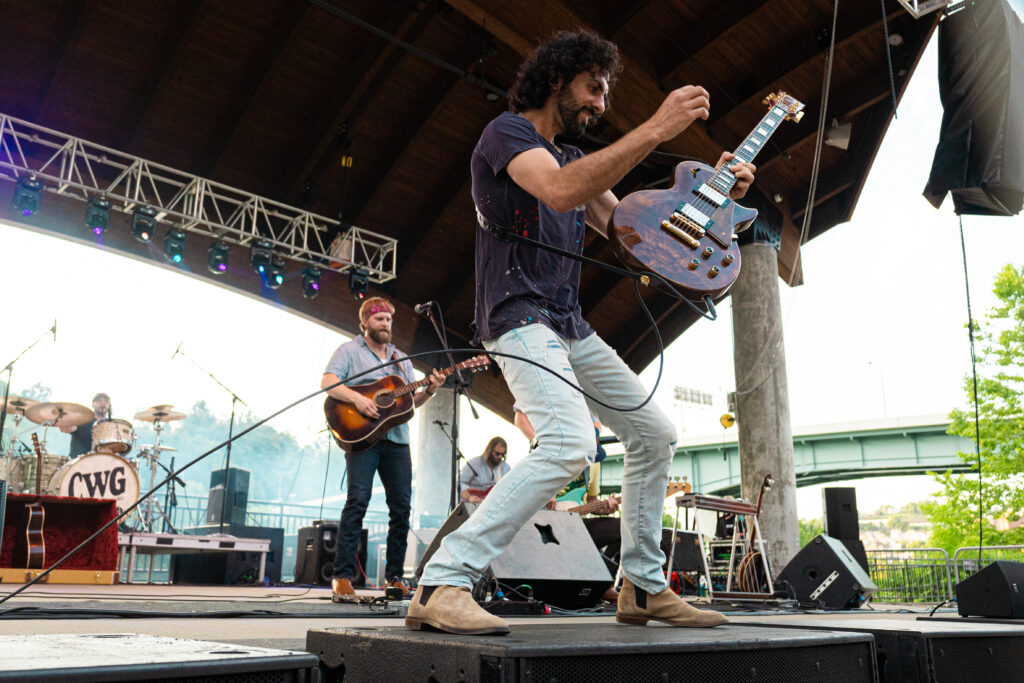
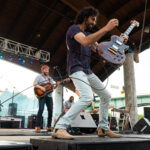
Al Torrence flips his guitar around his back for the Morgantown crowd on Friday during the Summer Concert Series.
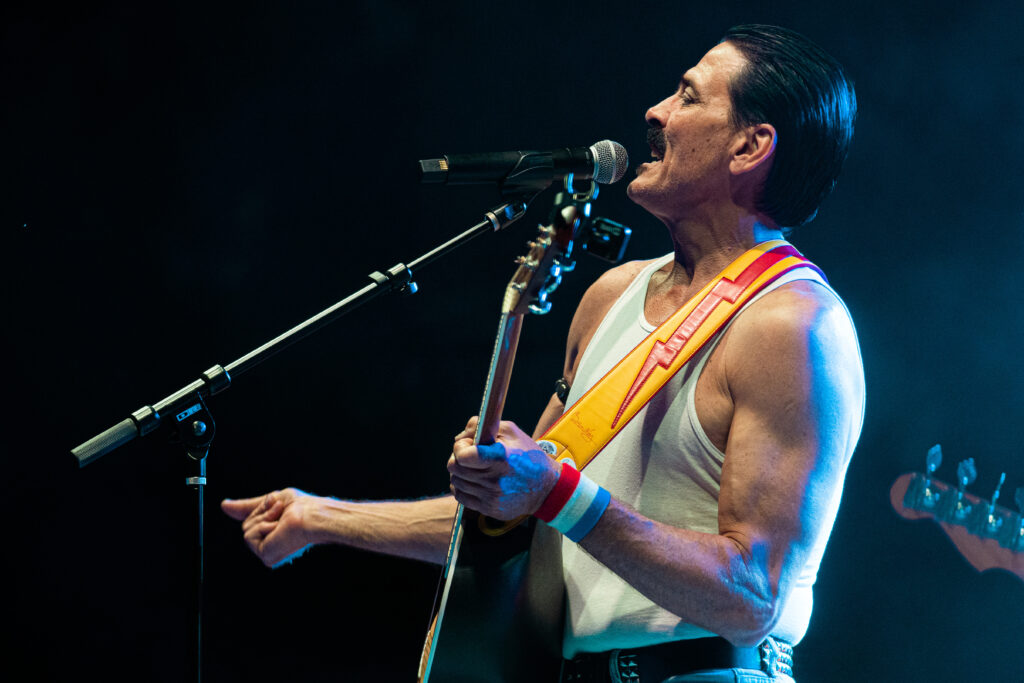
Singer Joseph Russo representing Freddie Mercury sings and snap his fingers to the beat of the song during Almost Queen performance at Hazel Ruby McQuain Park on Friday.
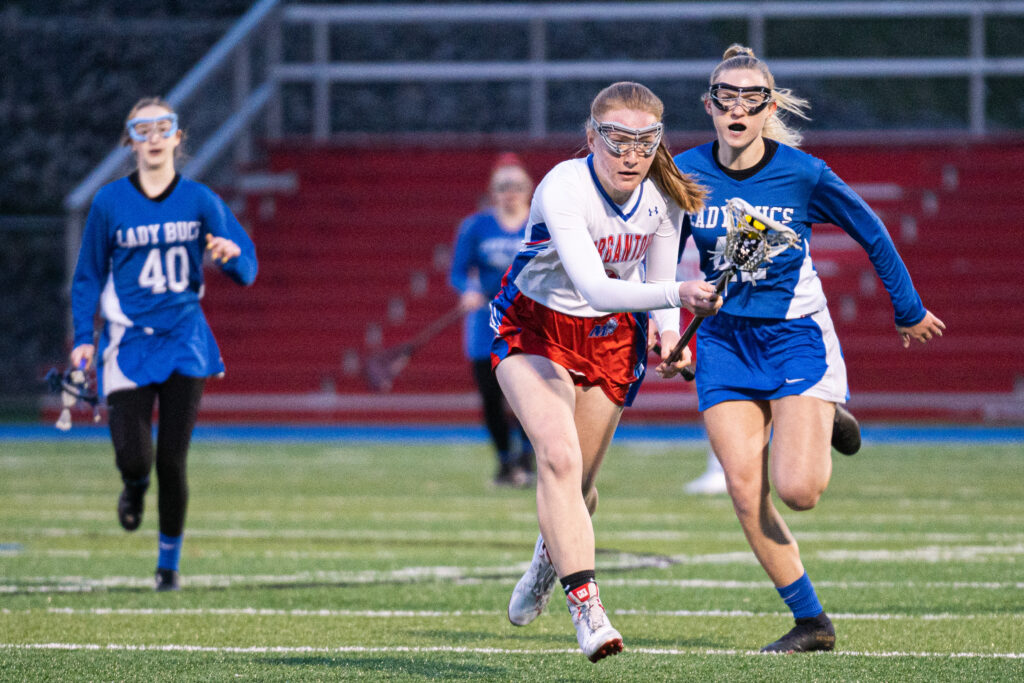
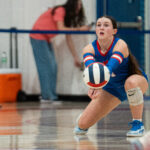
Morgantown's #2 Mallory Wiles defends the ball against Buckhannon-Upshur's #42 Kierra Arbogast on Tuesday.
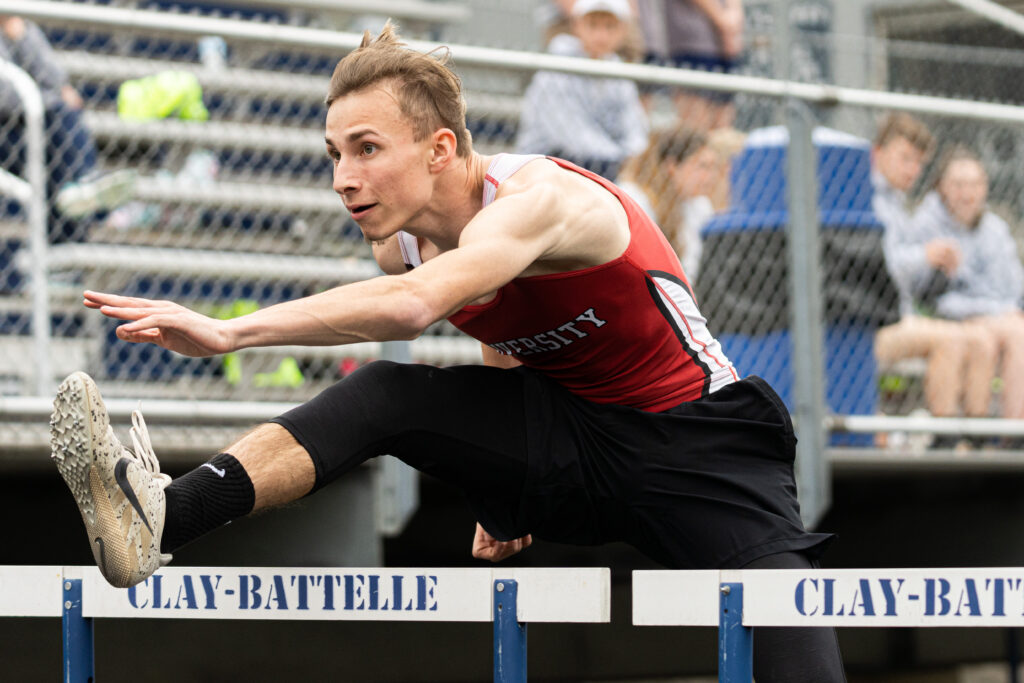
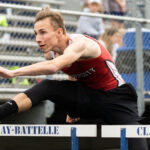
University's Colton Guthrie quickly jumps over one of his hurdles during the Boys 110 Meter Hurdles race on Tuesday.
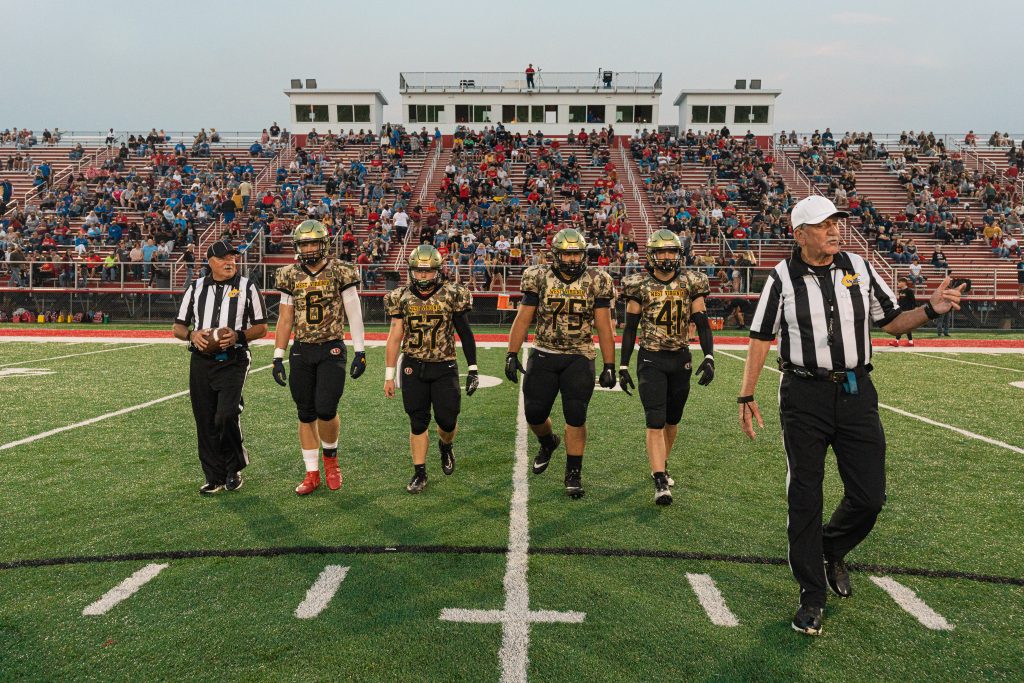
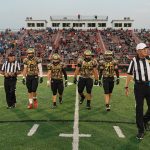
University High School's Football team captains walk onto the field for the coin toss against Wheeling Park on Friday.
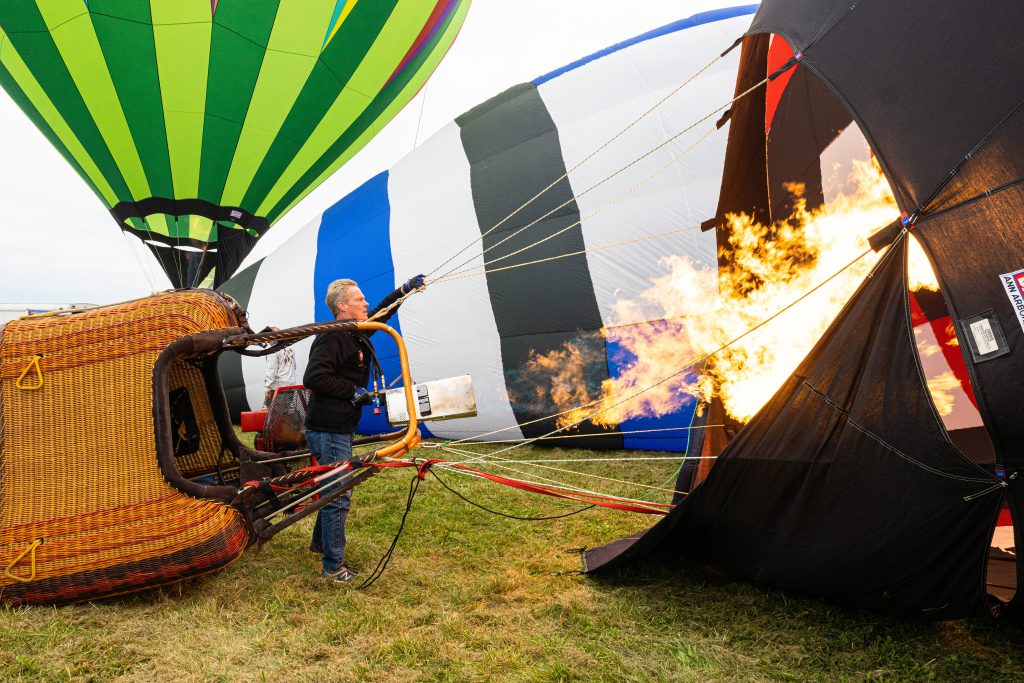
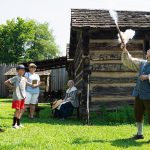
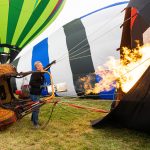
The pilot of "The Viper" Don Wertman II gets his hot air balloon ready for flying on Friday at the Morgantown Airport.
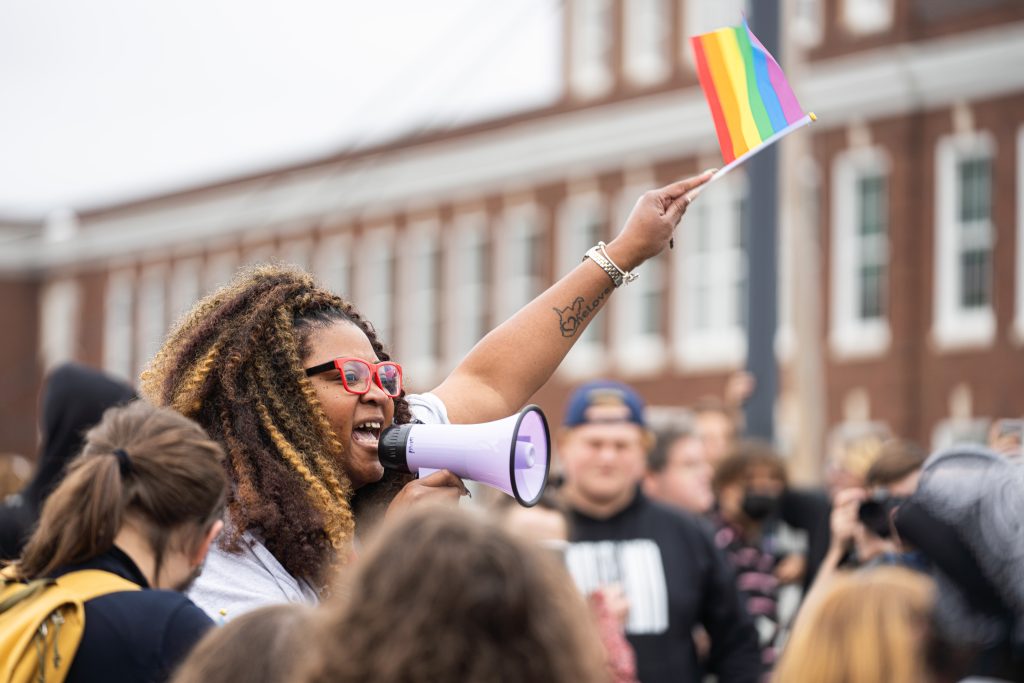
The Dominion Post file photo.
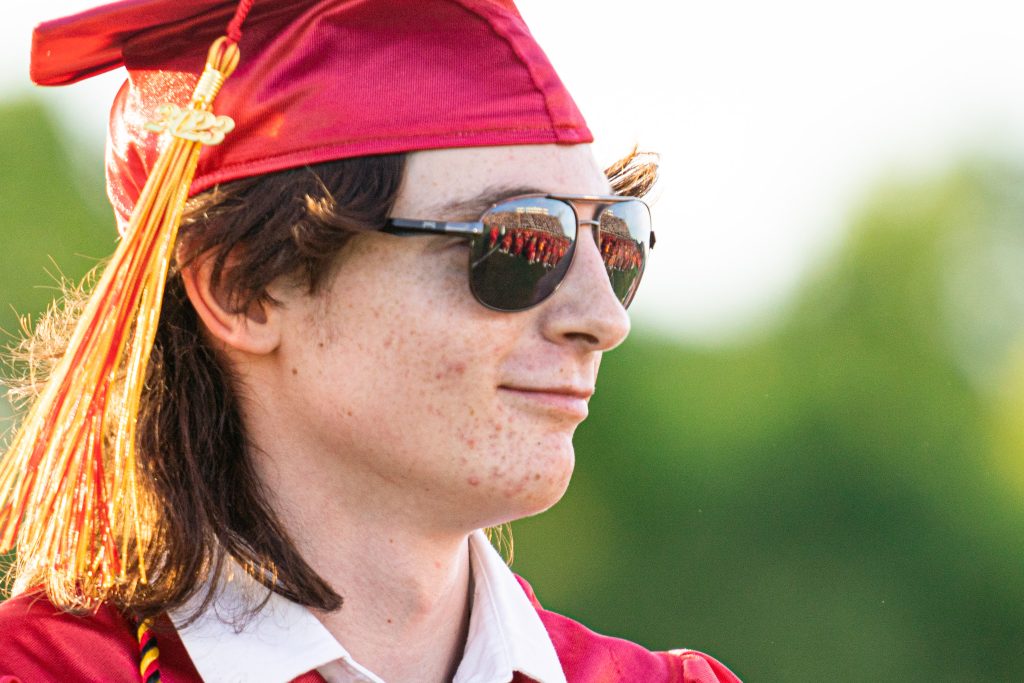
A Student Graduate smiles back at his classmates during the University High School's 97th Annual Graduation Ceremony on Friday evening.
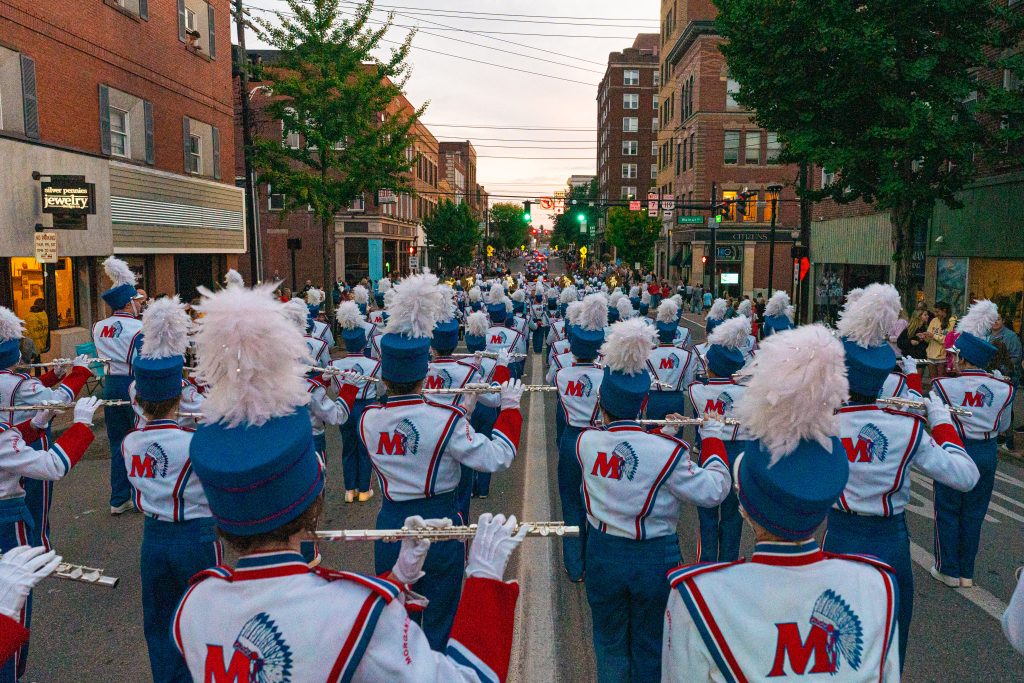
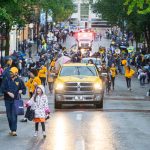
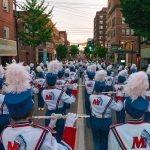
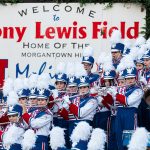
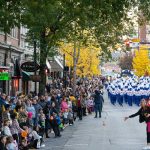
Morgantown Marching Band marches down High Street during the Morgantown High School Homecoming Parade on Wednesday evening.
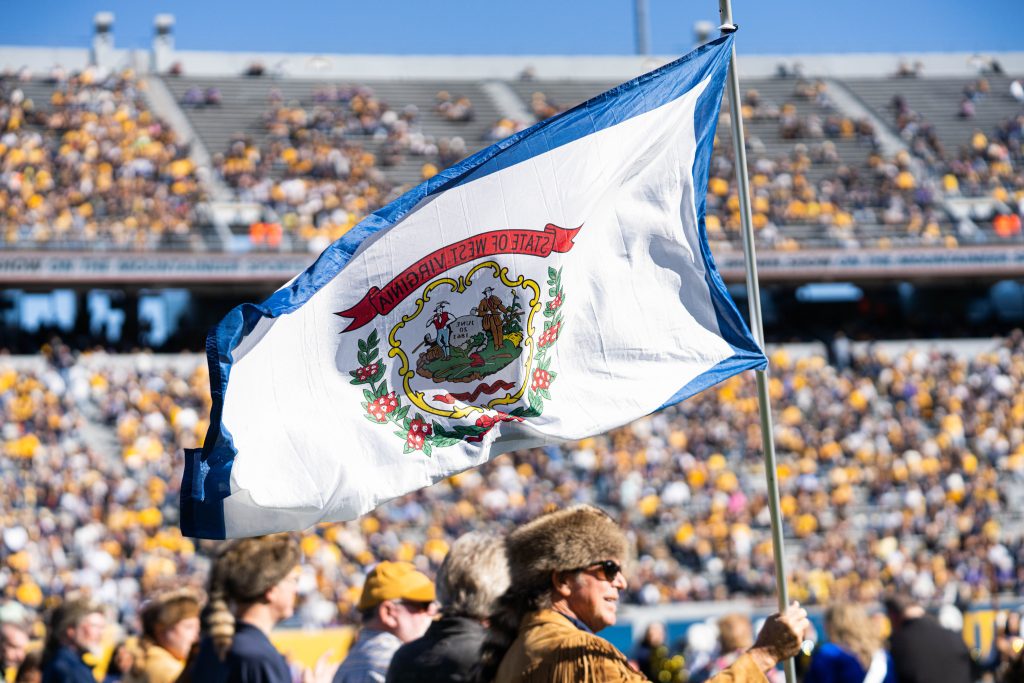
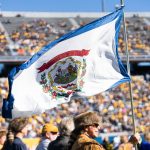
A West Virginia flag blows in the wind on Saturday.
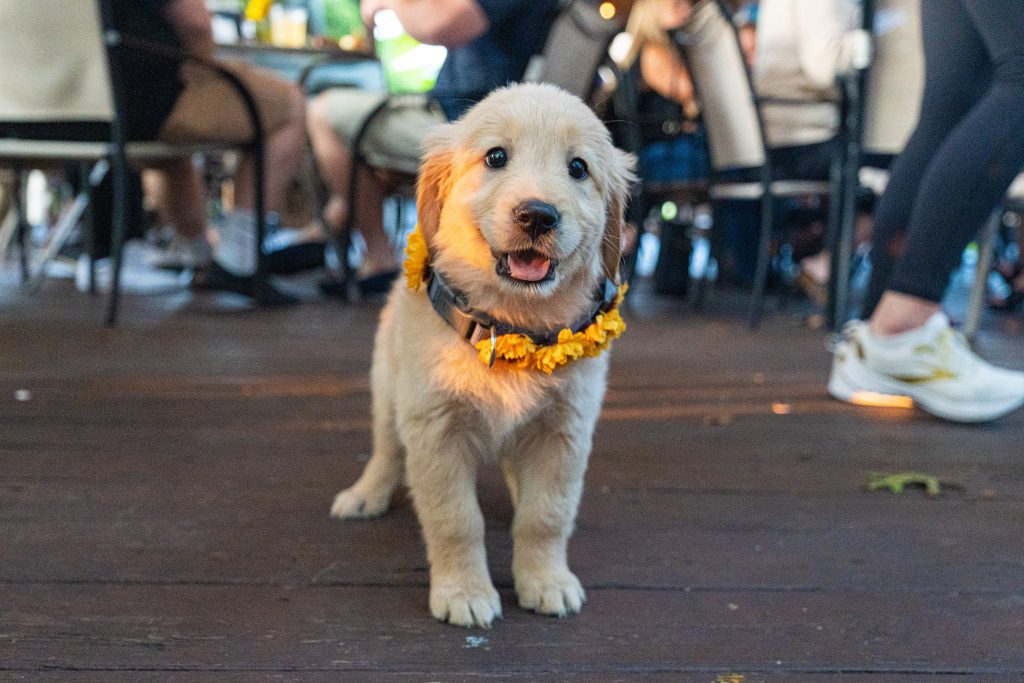
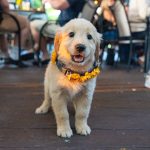
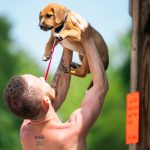
A silent auction took place at Lauren's Wish charity dinner and a joyful puppy was up for adoption on Thursday at Tropics.
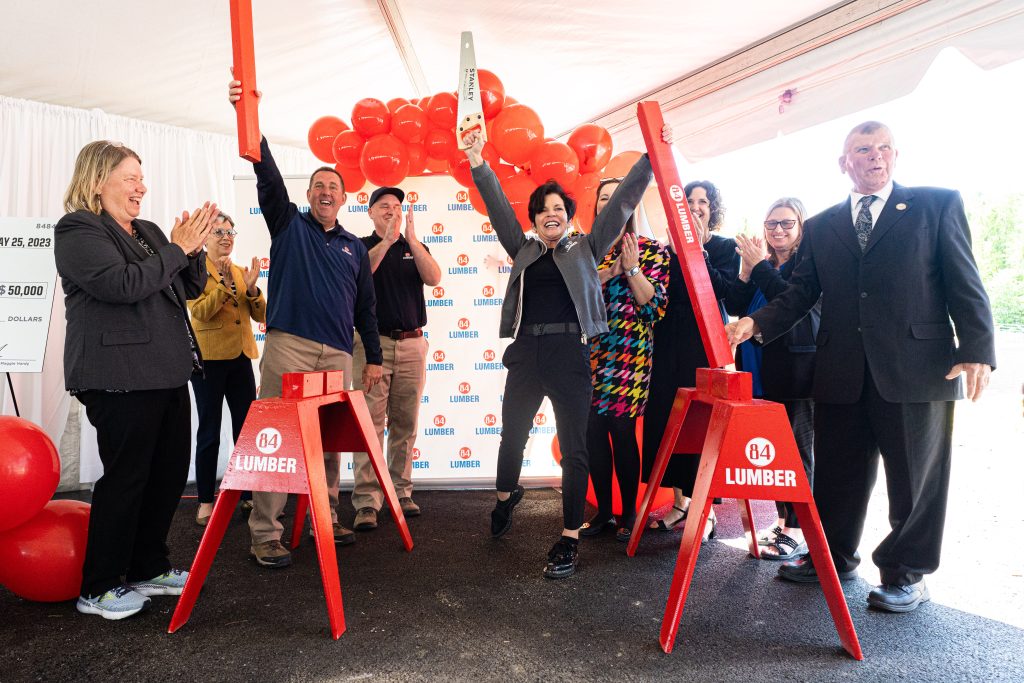
President and CEO of 84 Lumber Maggie Hardy is joined by special guests as she cuts the wood for the expansion of 84 Lumber location in Sabraton WV on Thursday morning.
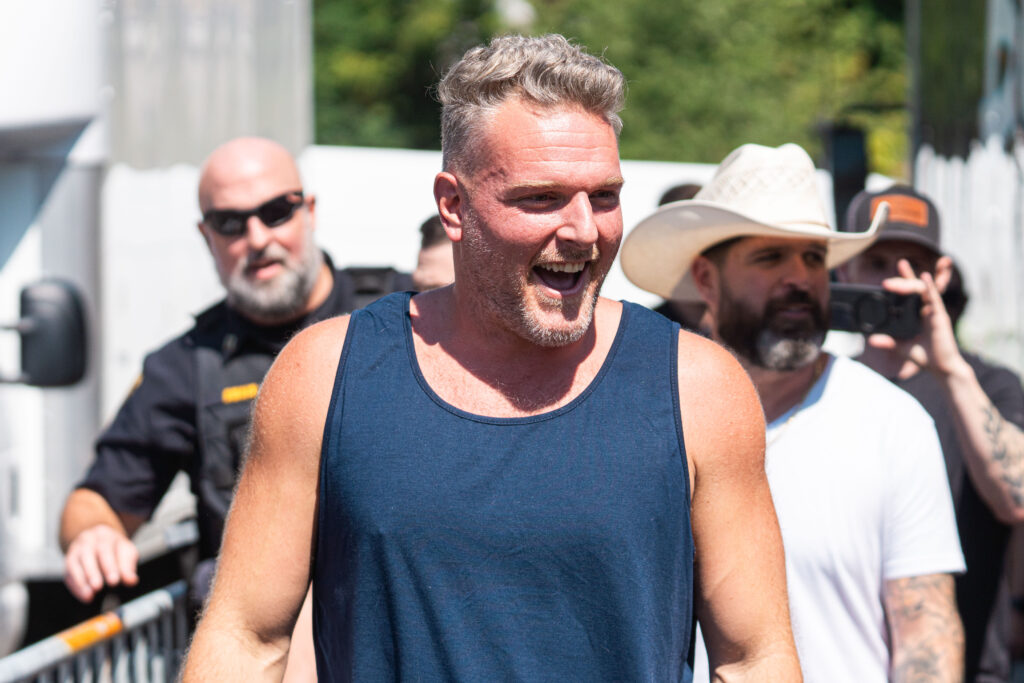
Pat Mcafee interacts with fans in Morgantown on Friday afternoon during his live show.
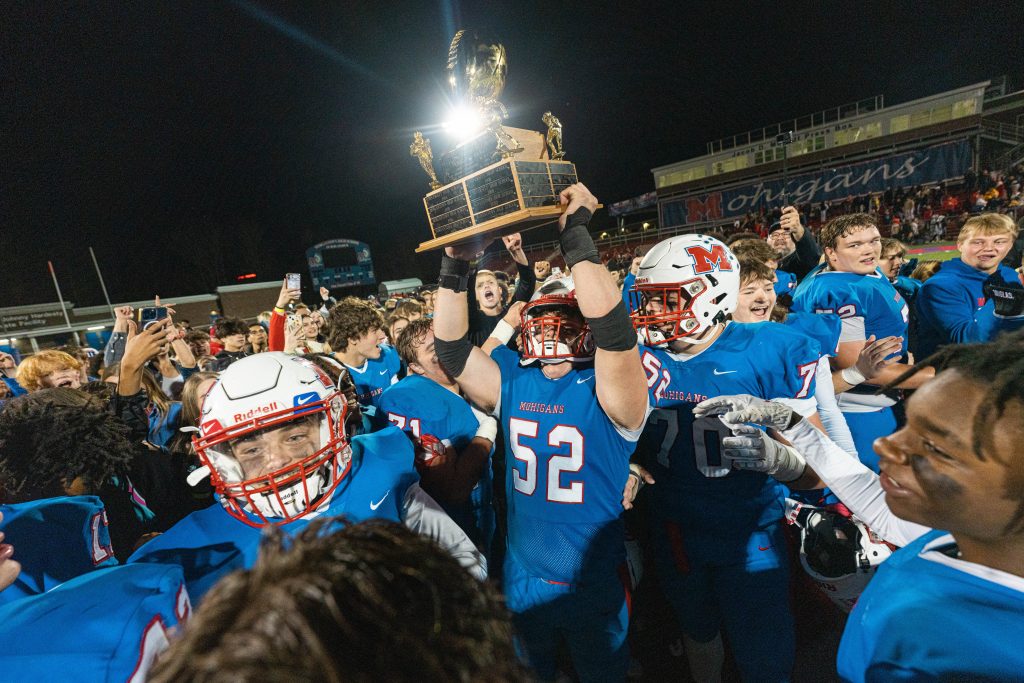
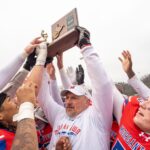
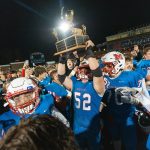
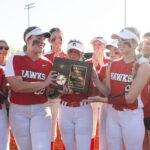
Morgantown High School Football team embrace with the Mohawk Bowl Trophy after their victory against University on Friday night.
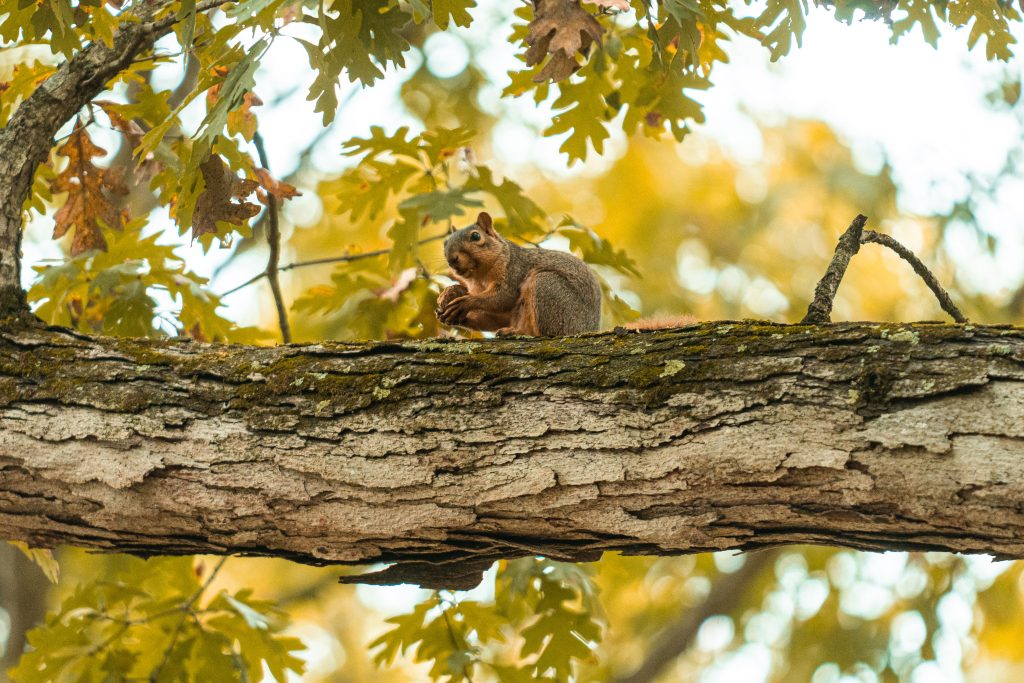
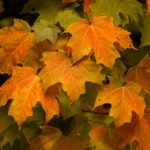
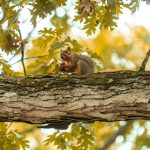
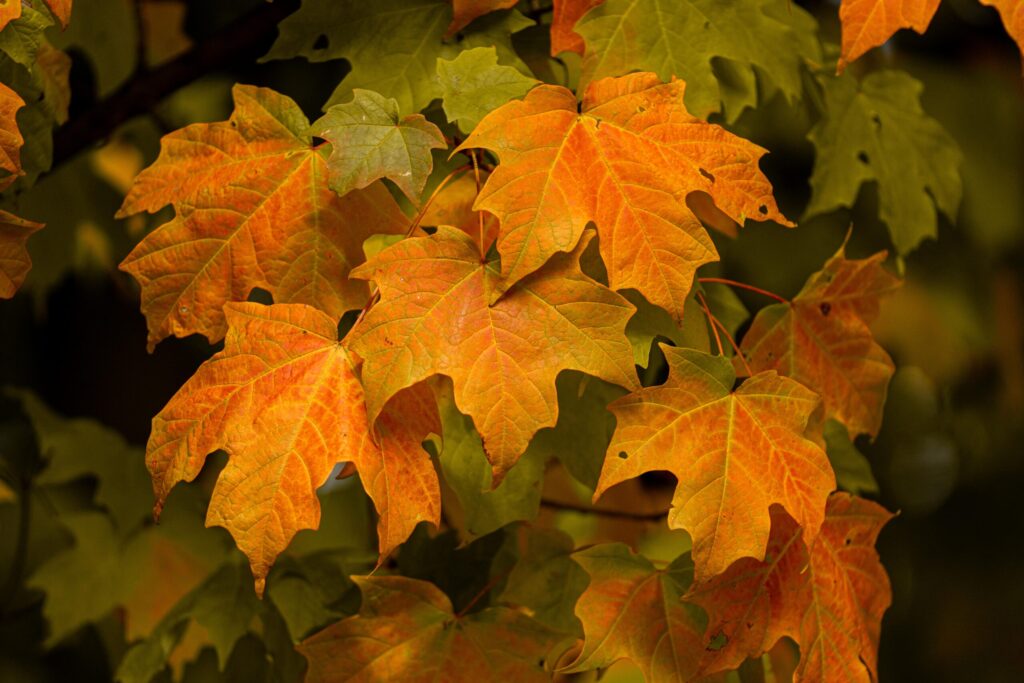
A squirrel having a lunchtime snack on a tree at Krepps Park. The Fall Season has begun this past Saturday and Morgantown is feeling the cool temperatures and the more vibrant colors on Monday afternoon.
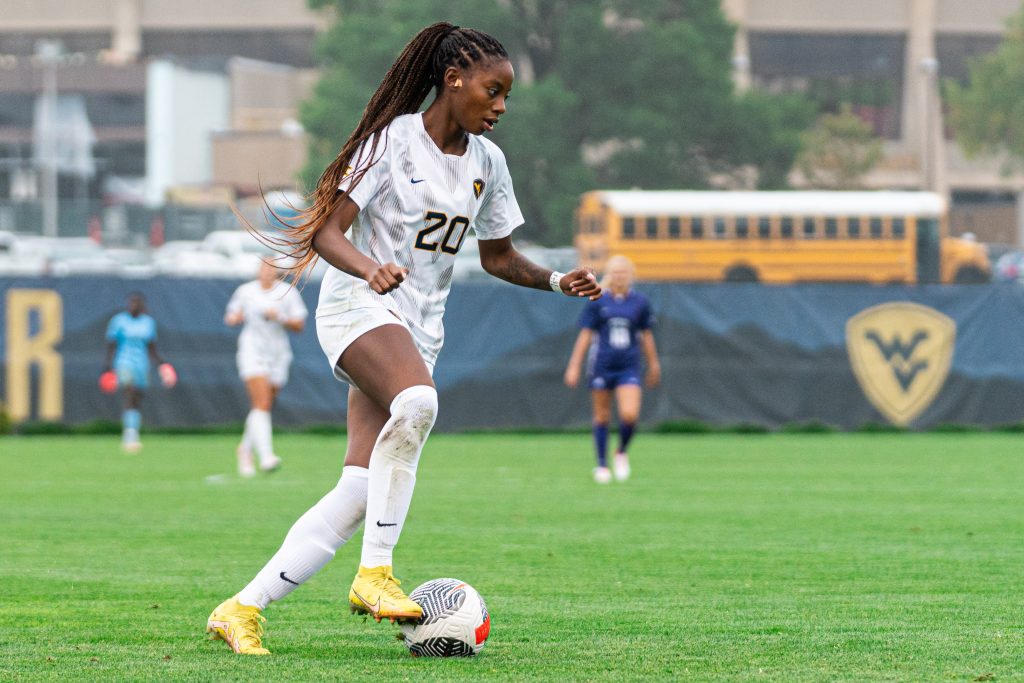
West Virginia's #20 Taylor White attempts a goal shot against TCU on Sunday afternoon.
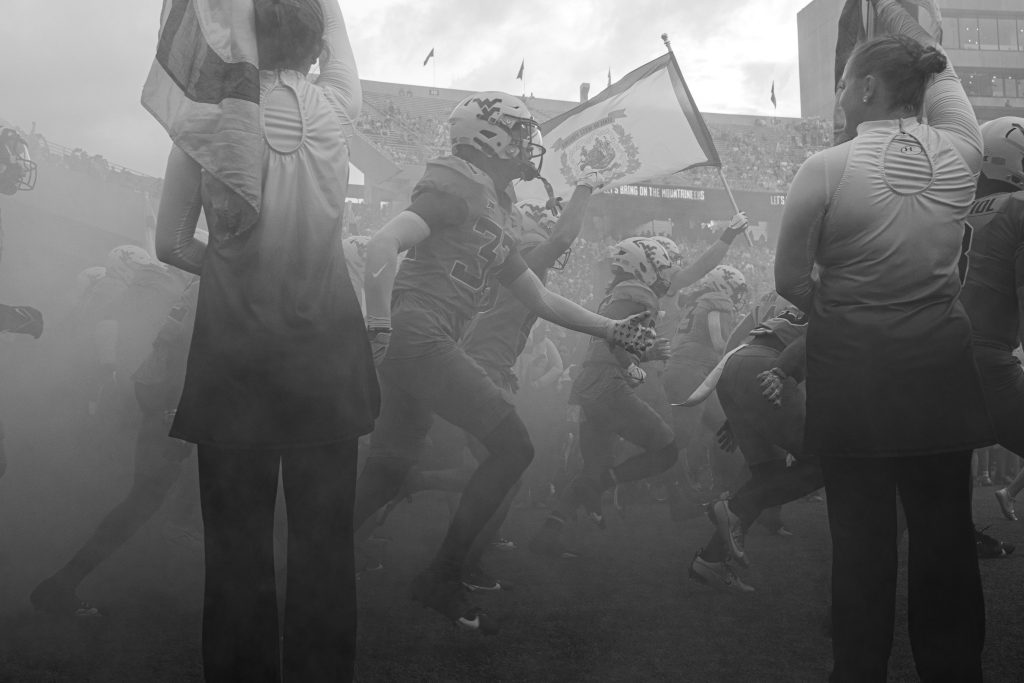
FOR SOCIAL Benjamin Powell/ The Dominion Post
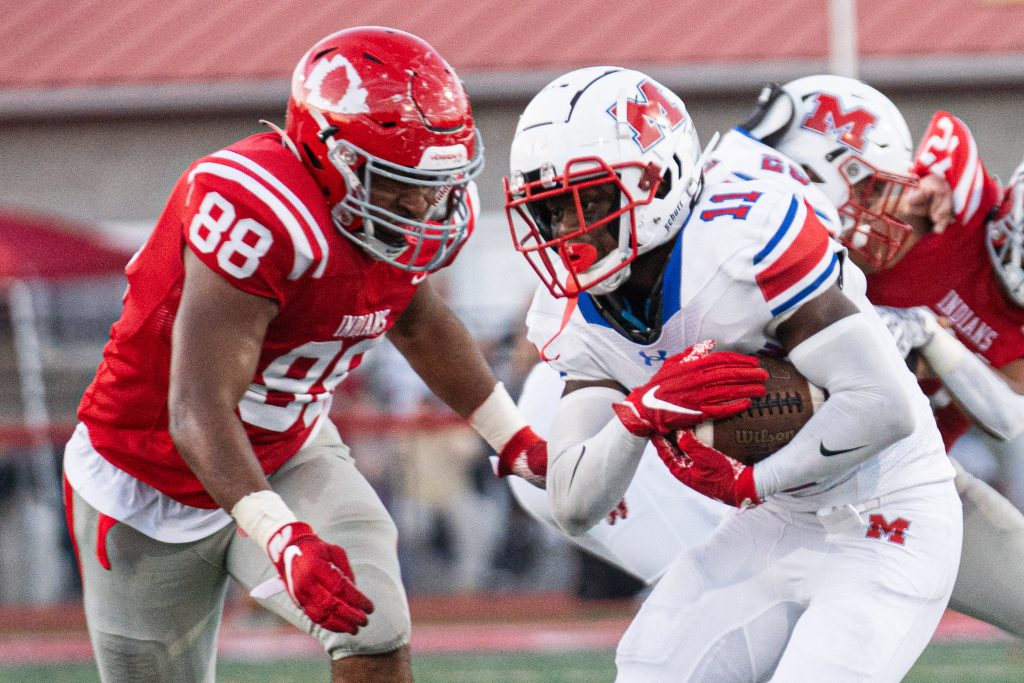
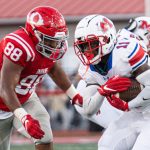
Morgantown's #11 Bobby Powell takes the ball down the field against Bridgeport on Friday night.
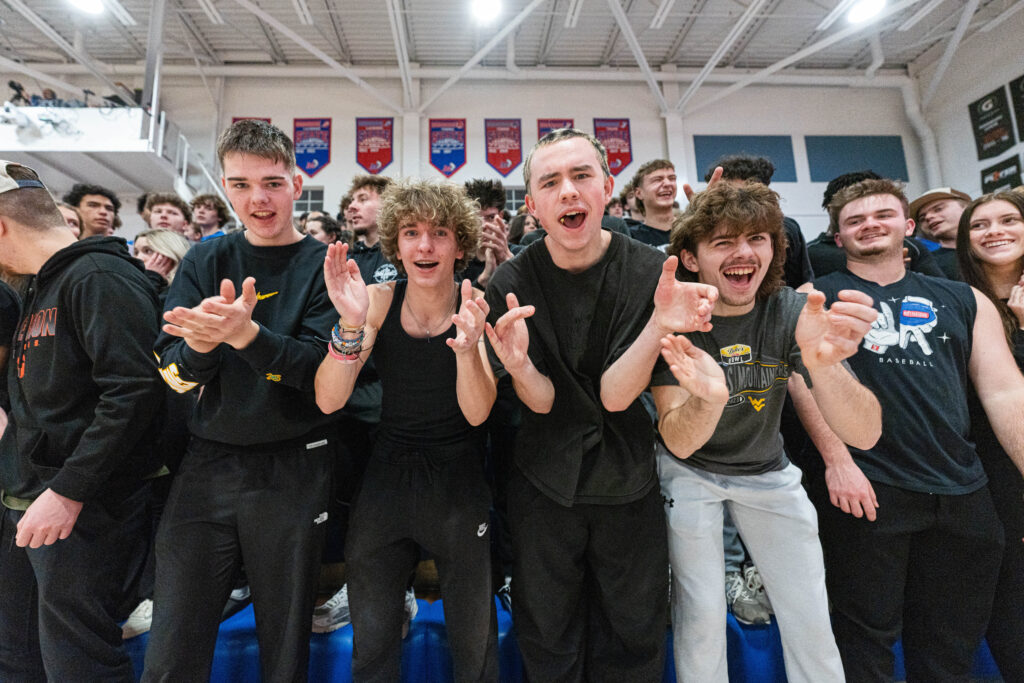
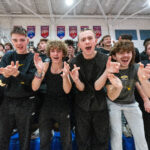
The Morgantown student section gets excited for their game against Steubenville on Tuesday.
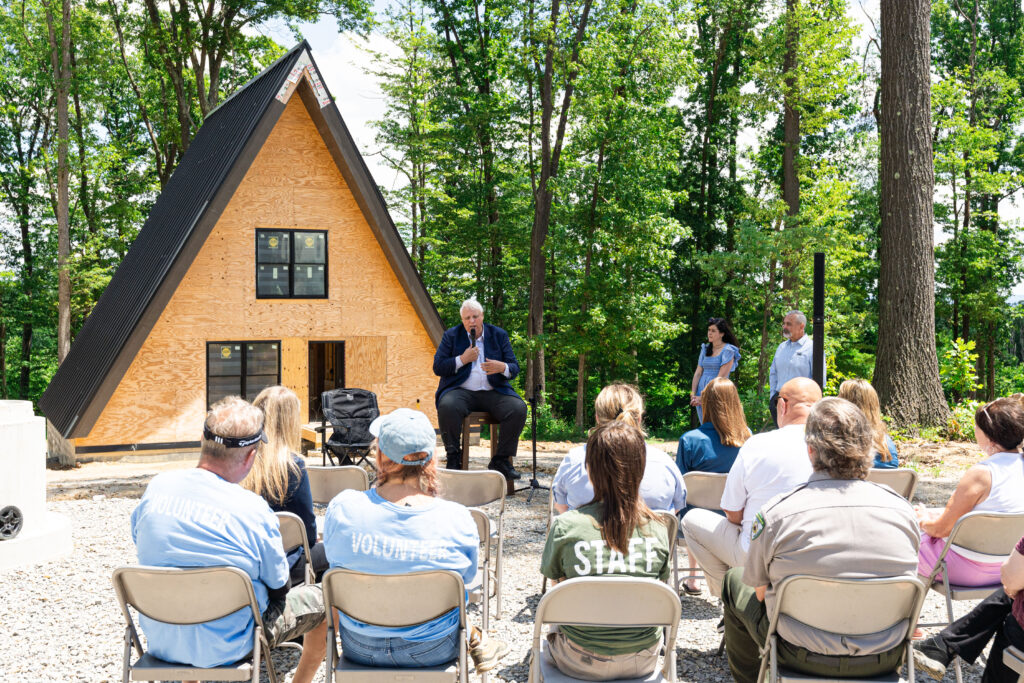
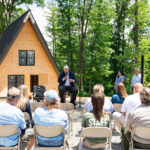
Gov. Jim Justice gives his remarks about the new cabins being built at Coopers Rock State Park on Monday afternoon.
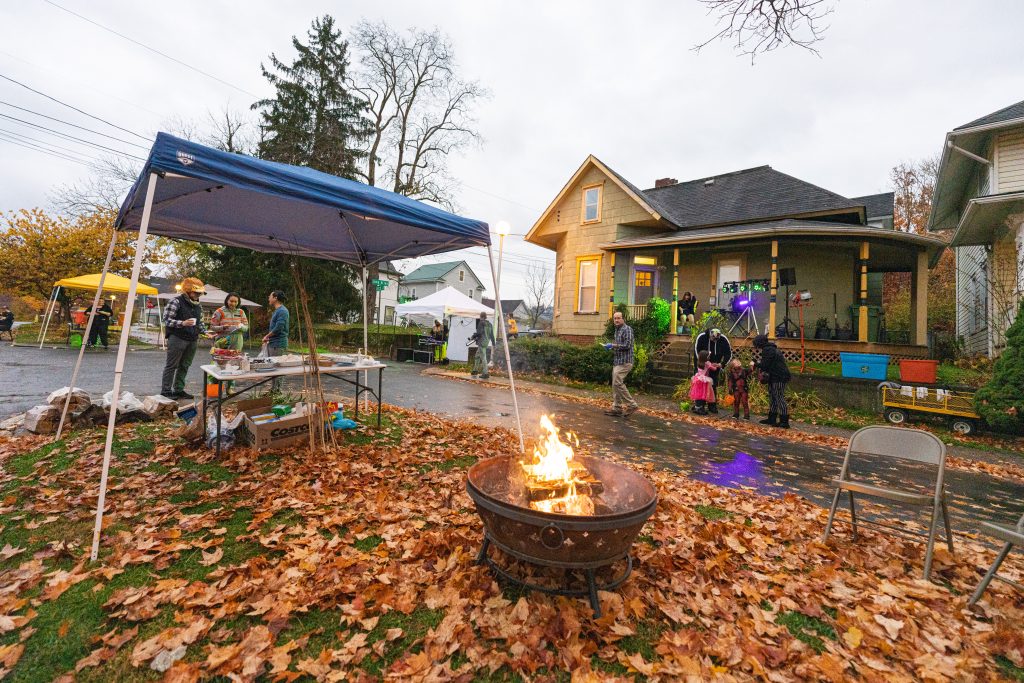
The Arch Street neighbors setup the annual Greenmont Haunted after a two year hiatus due to the pandemic on Monday evening.
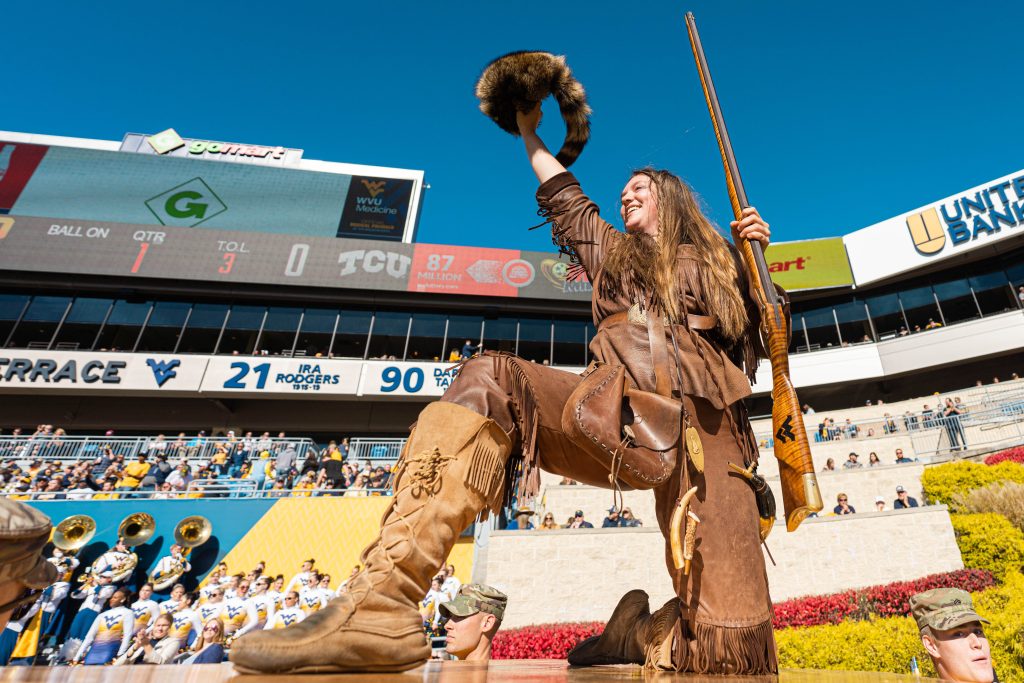
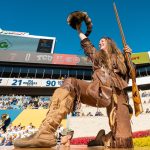
Mary the Mountaineer Mascot celebrates a West Virginia touchdown with the crowd on Saturday.
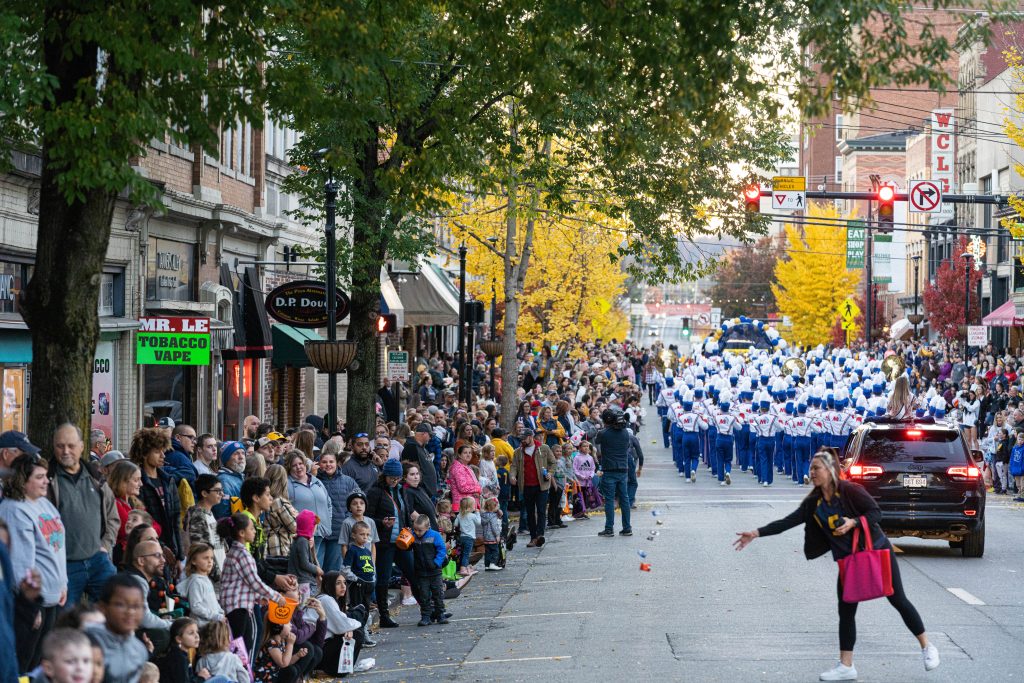
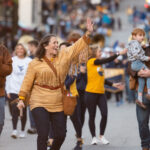
The Morgantown community gathered to enjoy the WVU Homecoming Parade on Friday evening on High Street.
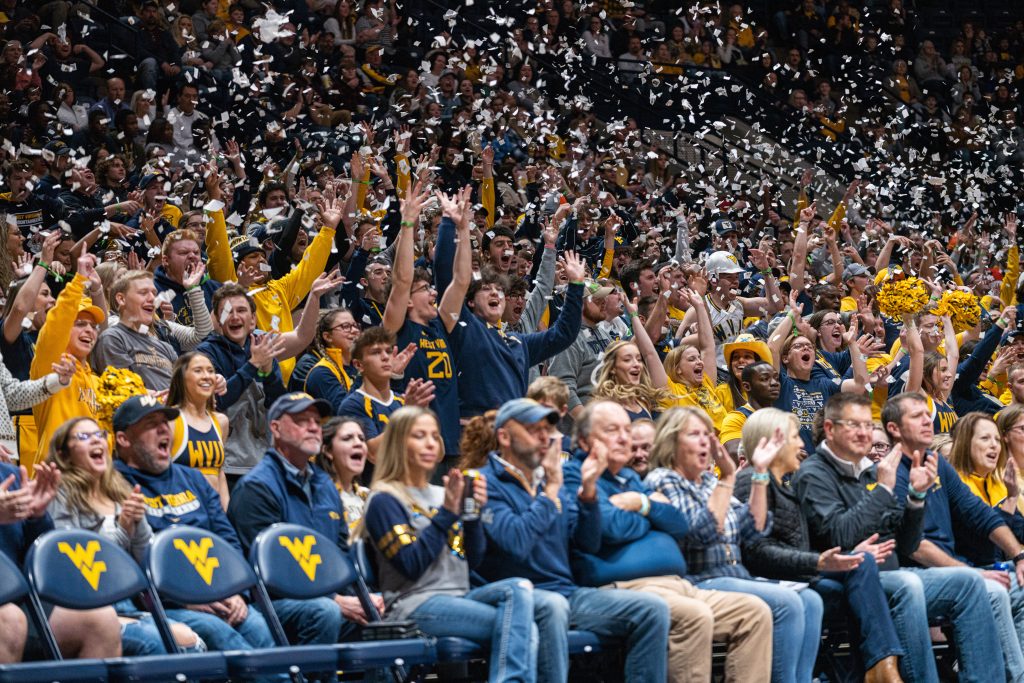
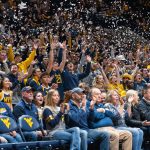
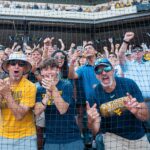
The Mountaineer fans cheer for their team during their game against UAB on Saturday.
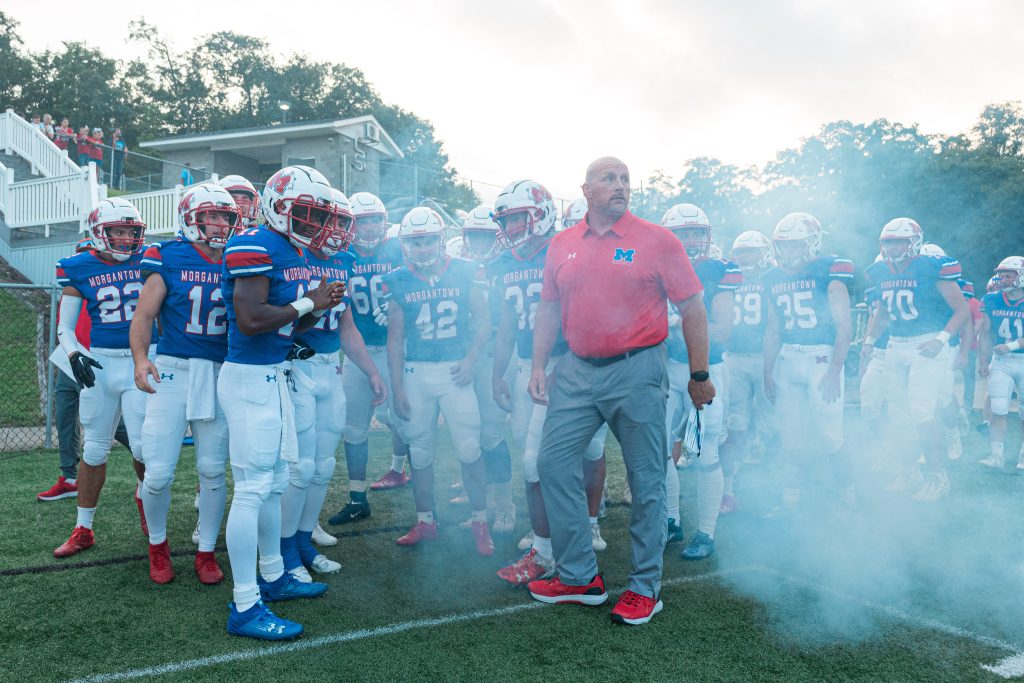
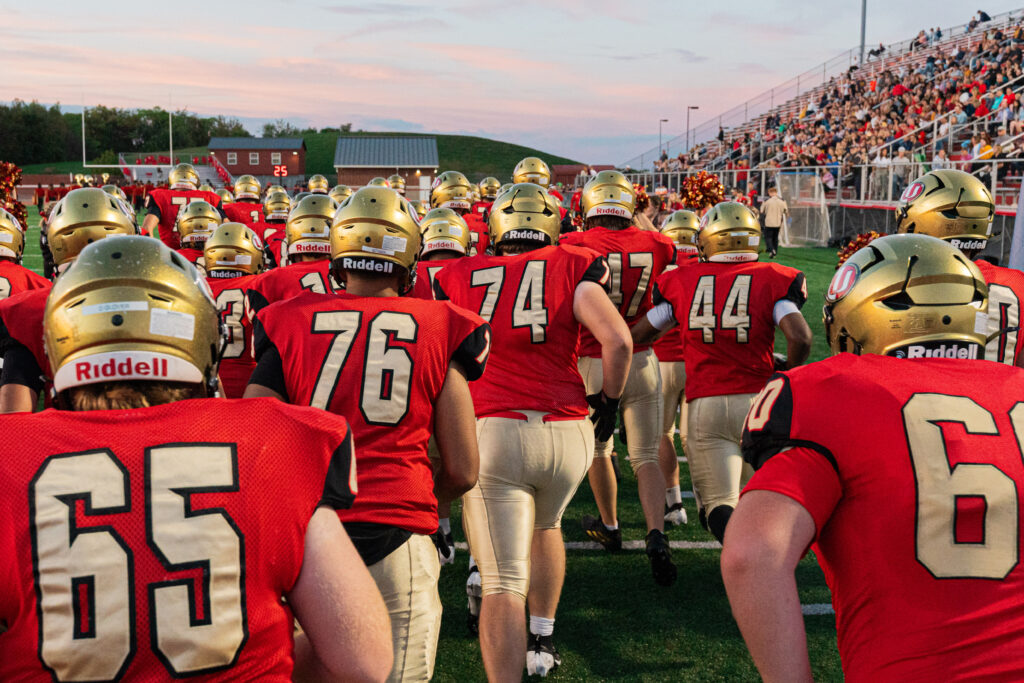
The Morgantown Football team prepare to kick off their season on Friday night against South Charleston.
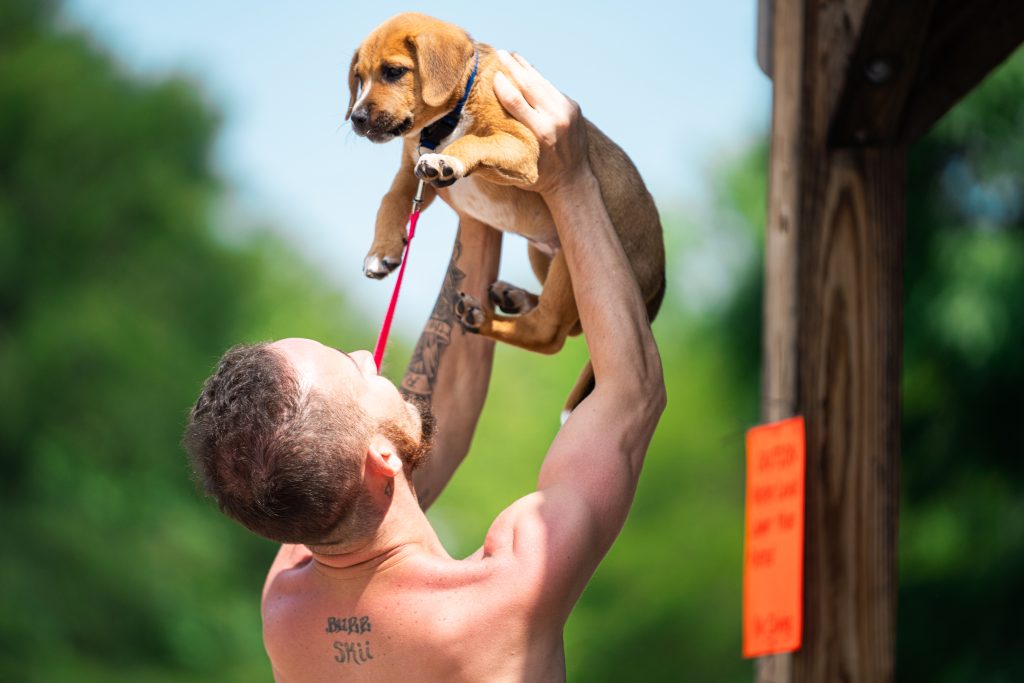
Bert Moore and his dog "Raina" enjoys the summer weather during Dog Day at the Pool on Sunday afternoon.
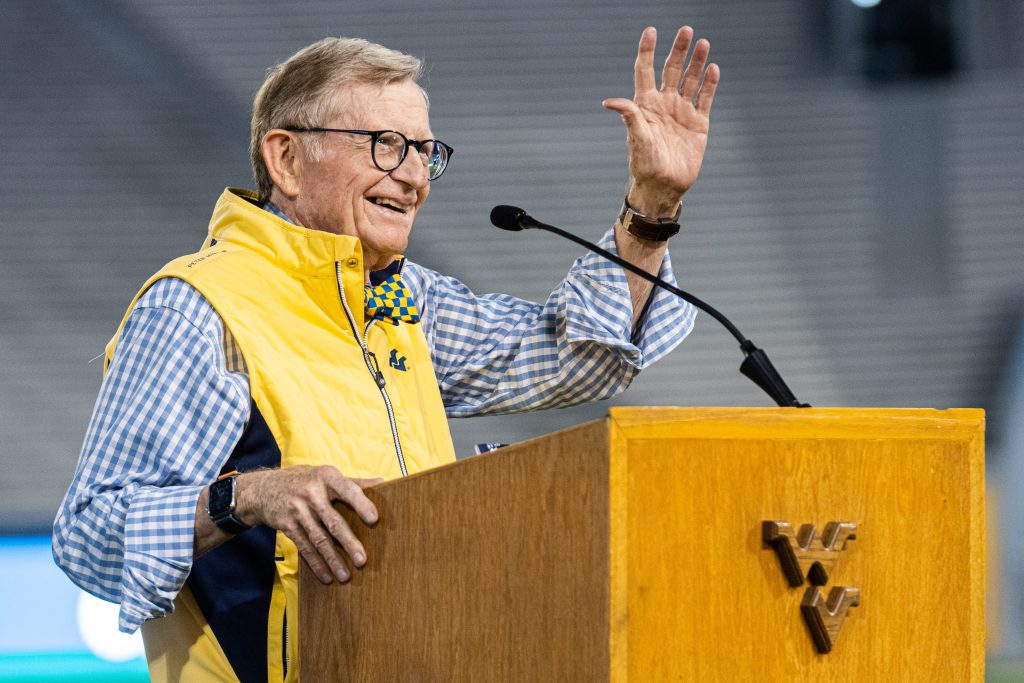
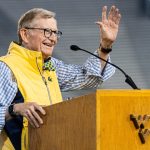
WVU President Gordon Gee.
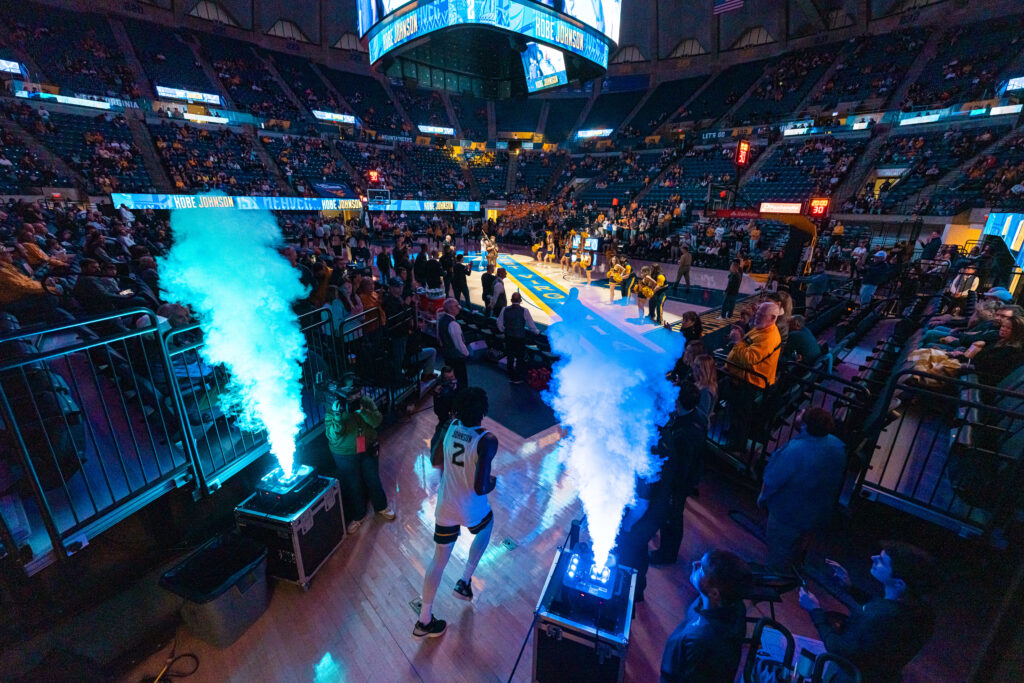
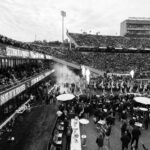
The WVU Mountaineers roll out the carpet to bring on the WVU Men's Basketball team on Sunday evening.
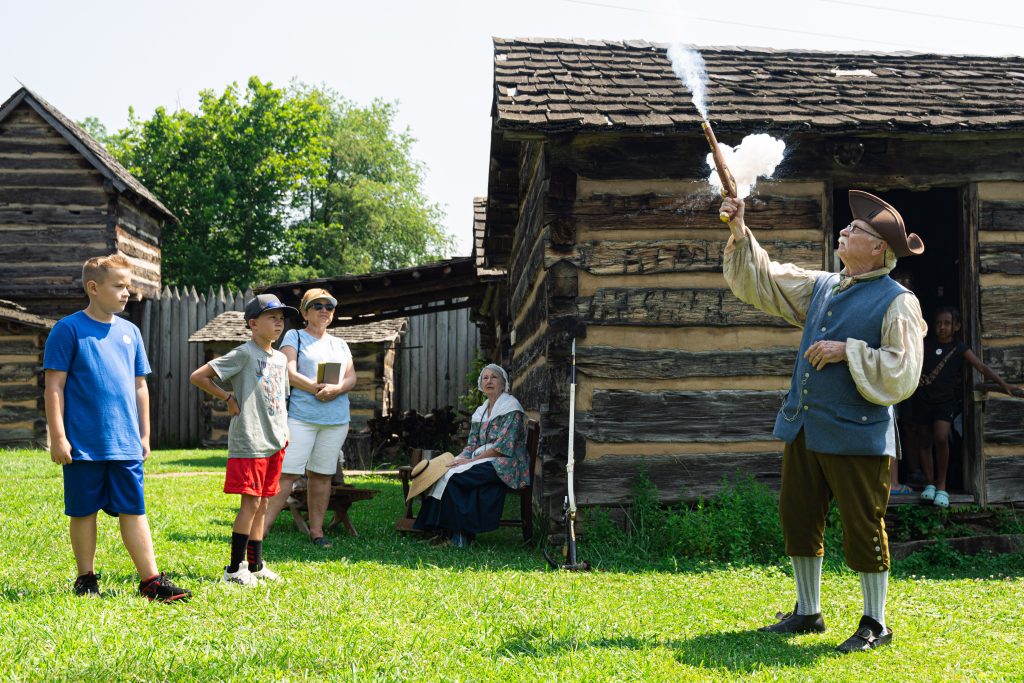
PHOTOGRAPHY DAY. Benjamin Powell/ The Dominion Post
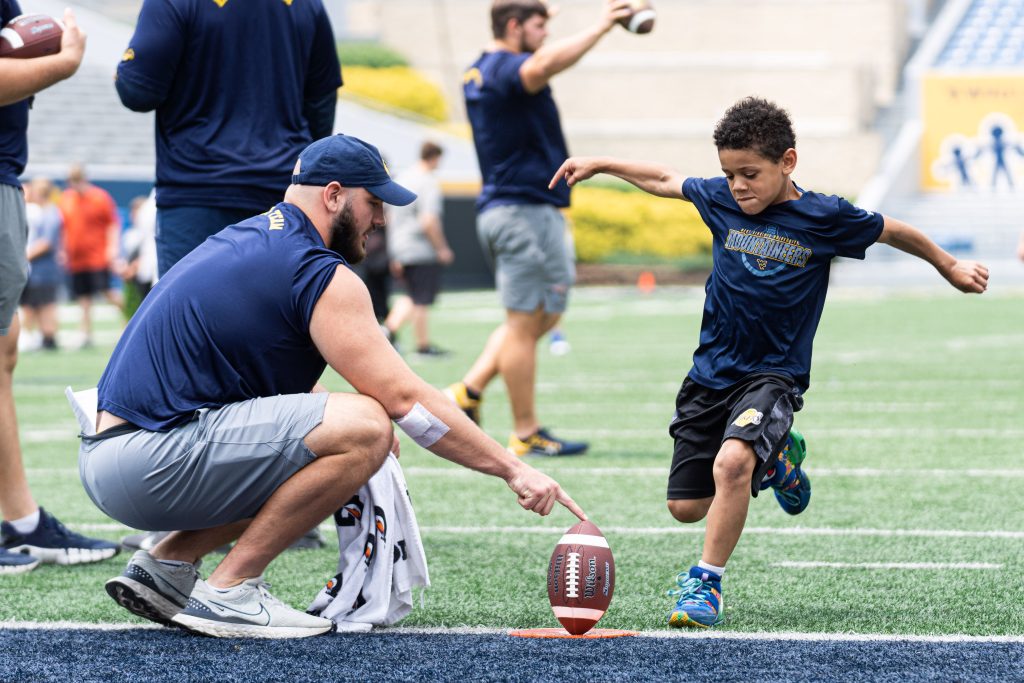
PHOTOGRAPHY DAY. Benjamin Powell/ The Dominion Post
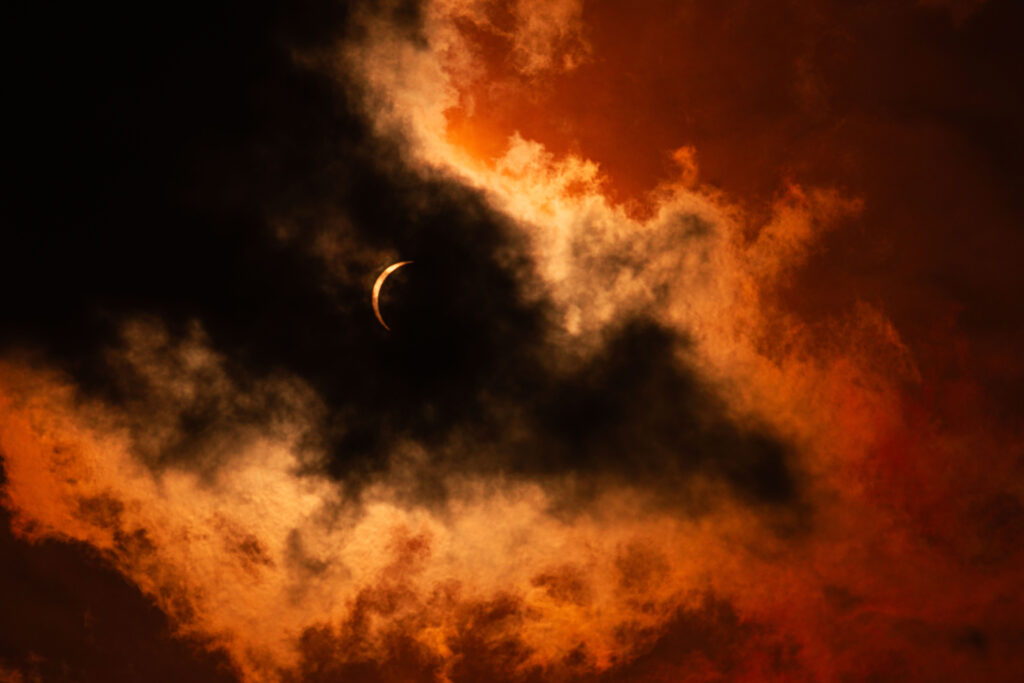
Benjamin Powell/The Dominion Post FIRST-PLACE FEATURE PHOTOGRAPHY: A photo of the solar eclipse above Morgantown on April 8, 2024
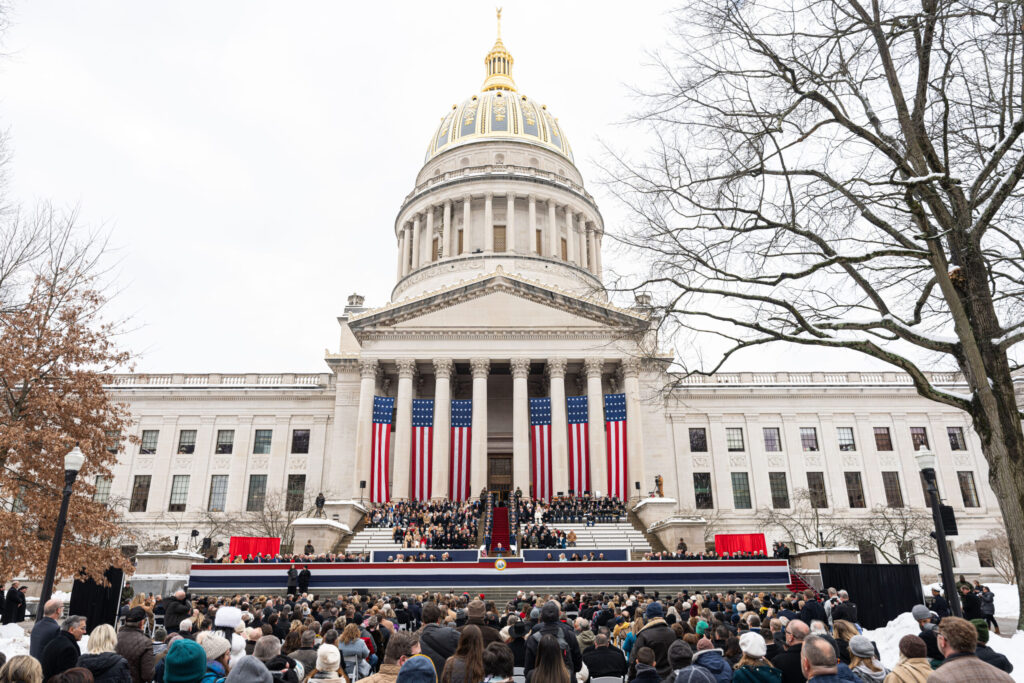
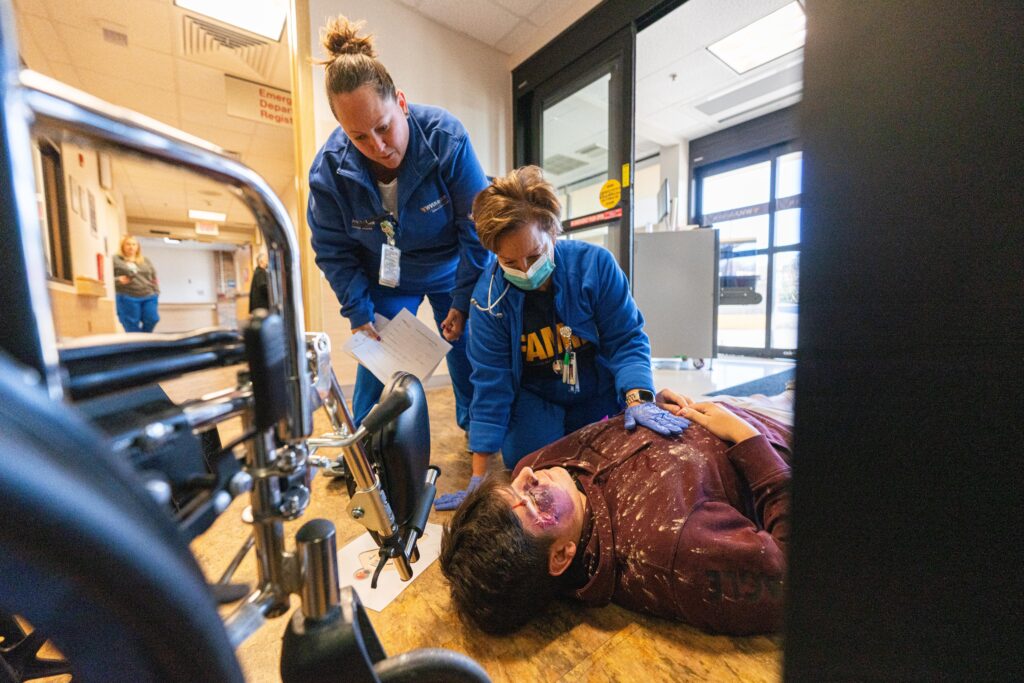
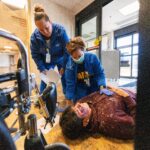
Fairmont Medical Center's Nurses assist FSU student Ceylon Hamilton with staged face injuries a part of a surprise emergency drill on Thursday morning.
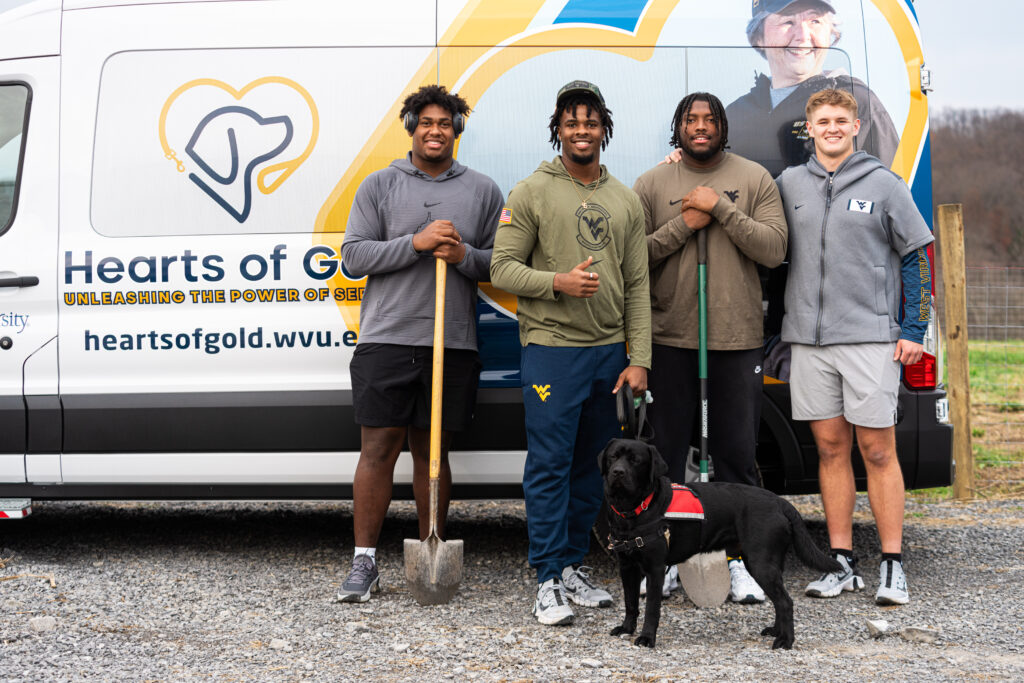
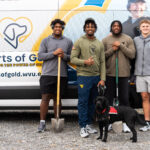
(Starting from the left) WVU Football's Austin Brinkman, Hammond Russell IV, Taurus Simmons and Corey McIntyre Jr. pose for a group photo with a Hearts of Gold service dog on Monday afternoon.
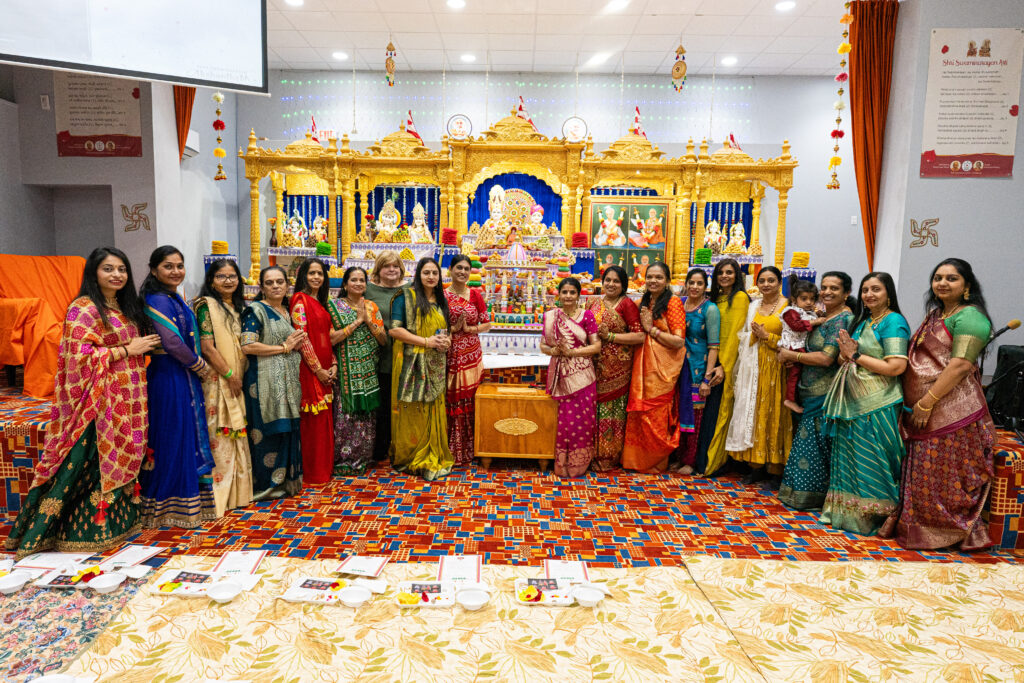
Members of the BAPS Shri Swaminarayan Mandir in Morgantown pose for a group photo in front of the variety of dishes they prepared for this year's festival of Diwali on Monday evening.
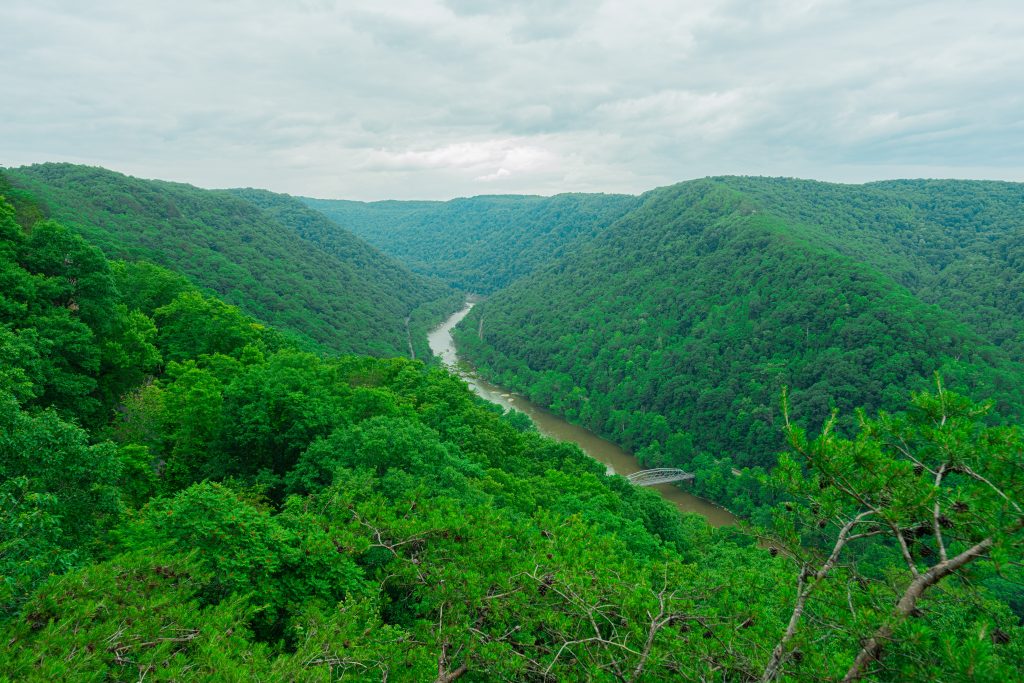
PHOTOGRAPHY DAY. Benjamin Powell/ The Dominion Post
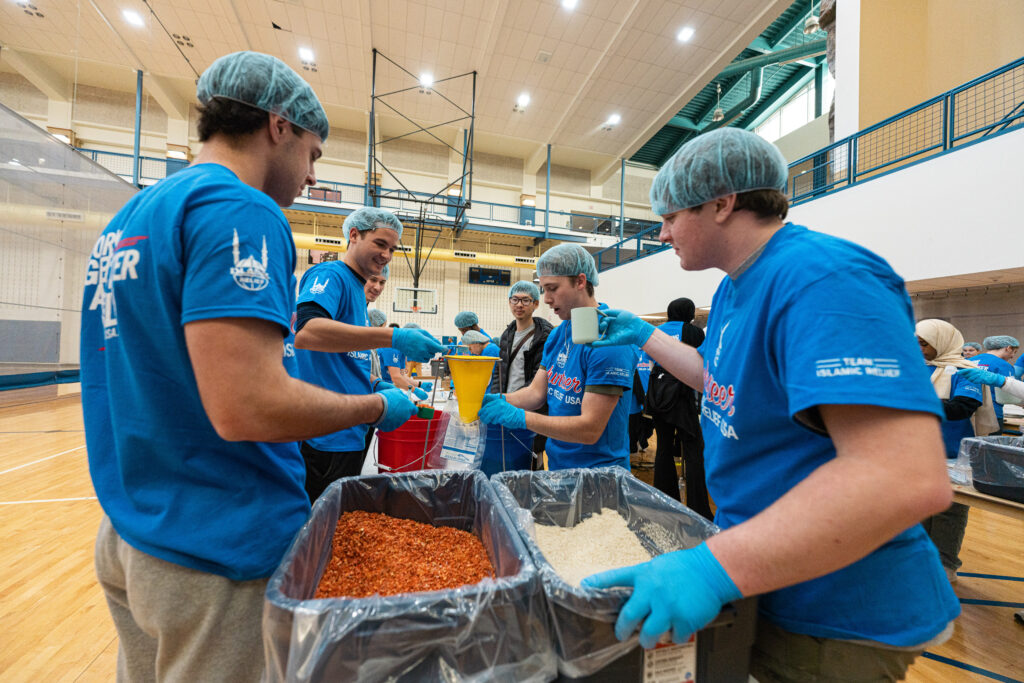
(Starting from the left) Volunteers Jack Angell, Christopher Morrison, J.C. Miller and Brandon Lehr work on packing food during WVU MSA food packing event on Sunday afternoon.
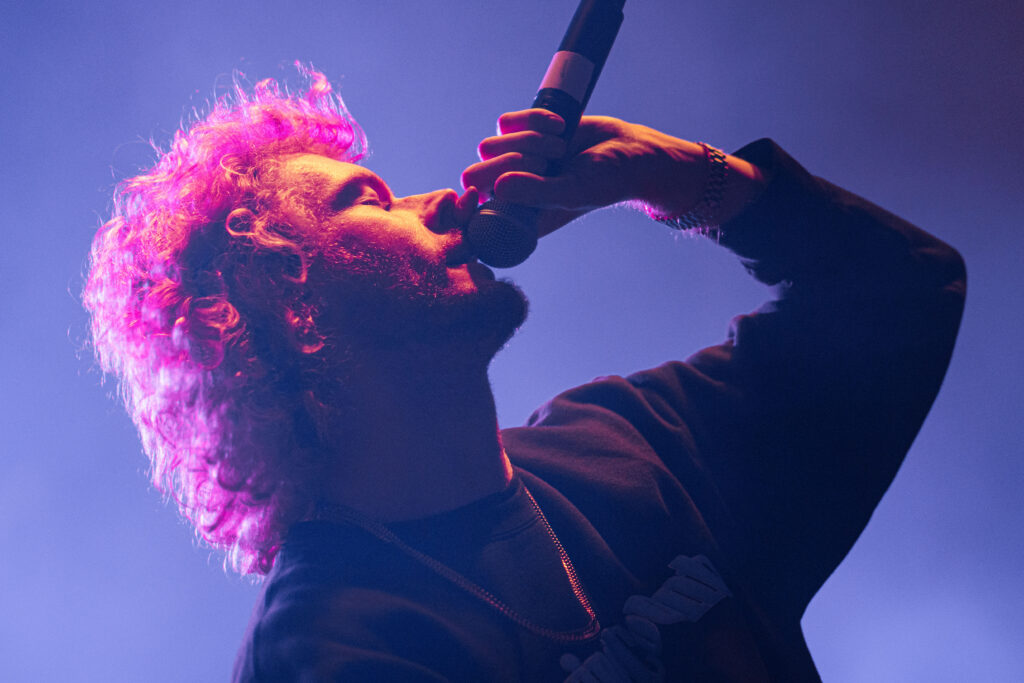
Yung Gravy performs to a packed WVU crowd during Fall Fest 2024 on Tuesday evening.
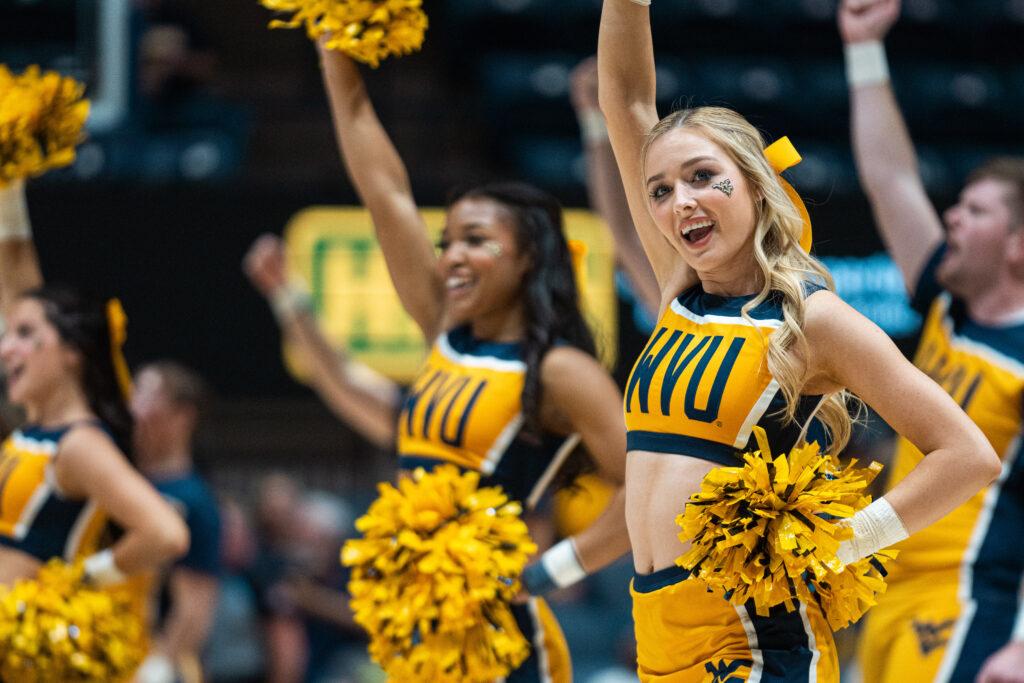
The WVU Cheerleading team leads cheers with the mountaineer nation on Tuesday evening.
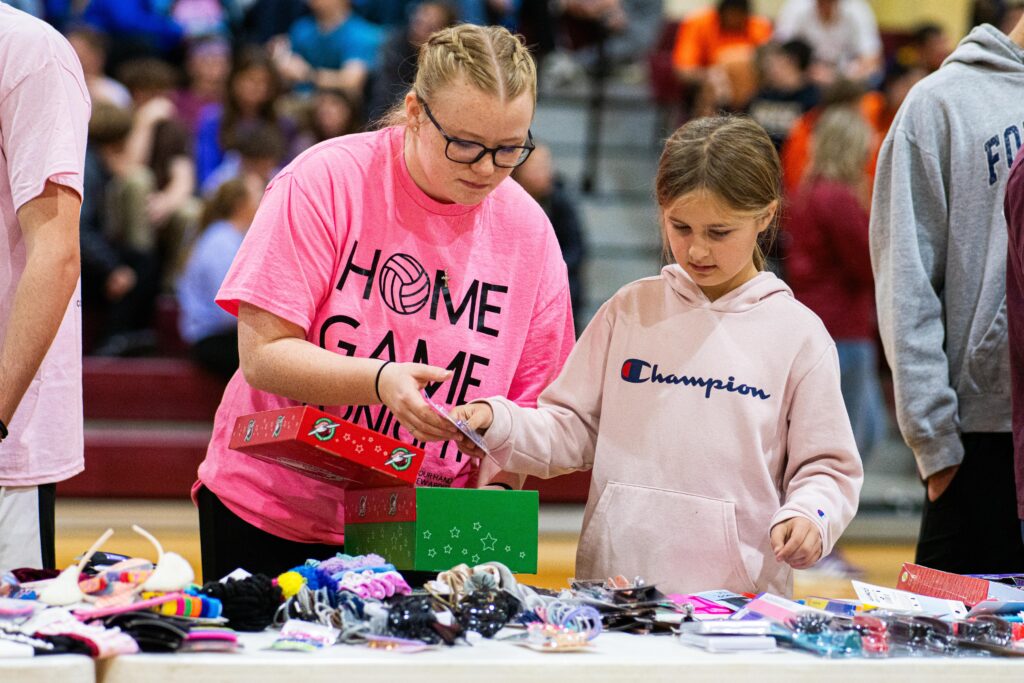
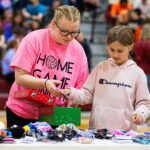
Angelina Mayle (Left) and Mary Fraser (Right) work on packing their shoe box for the community on Friday afternoon.
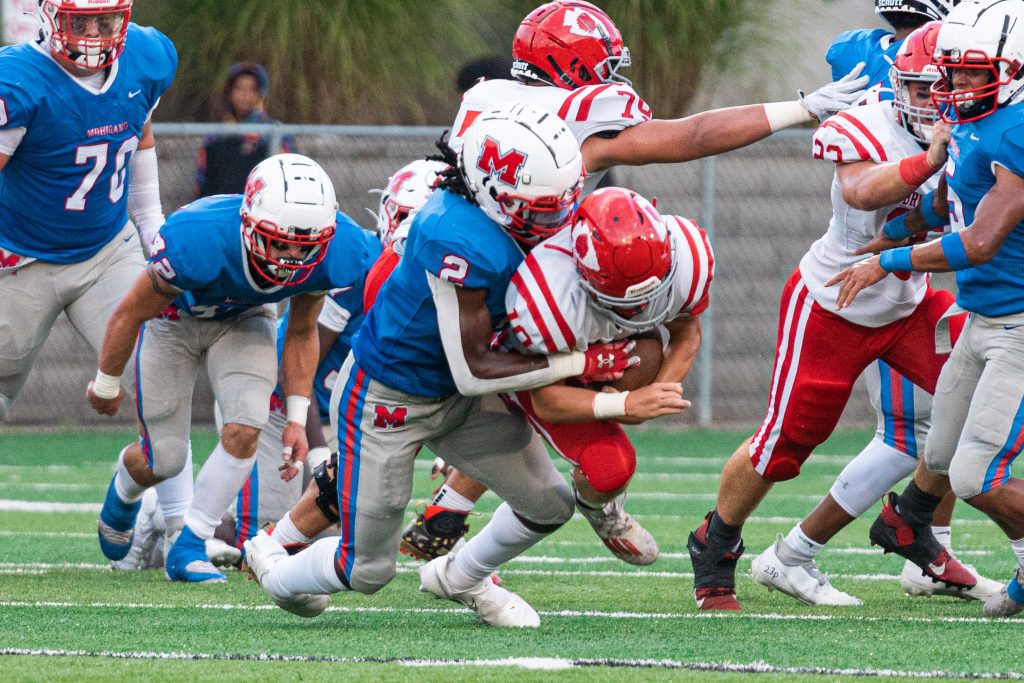
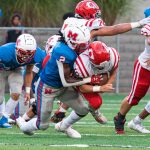
Morgantown High's AJ Thomas tackles Bridgeport's Ty Martin in a game earlier this season. The MHS defense will be tested greatly Friday night against high-scoring Parkersburg South. (Benjamin Powell/The Dominion Post)
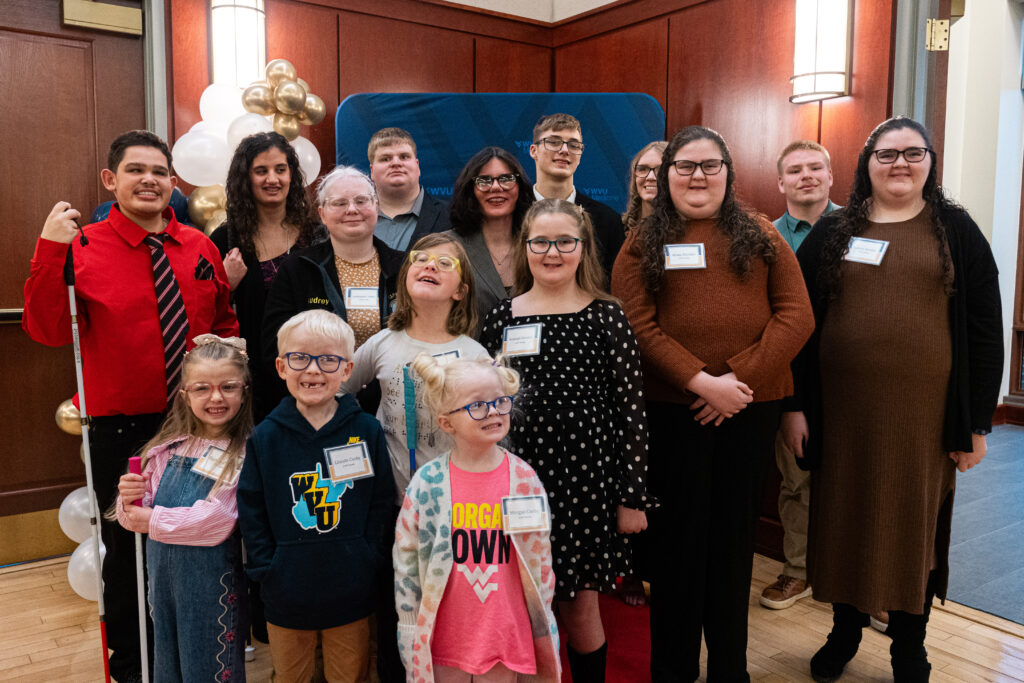
WVU Children’s Vision Rehabilitation Program students pose for a group photo together at the Erickson Alumni Center during the “Sight Unseen” film screening on Friday night. (Benjamin Powell/ The Dominion Post)
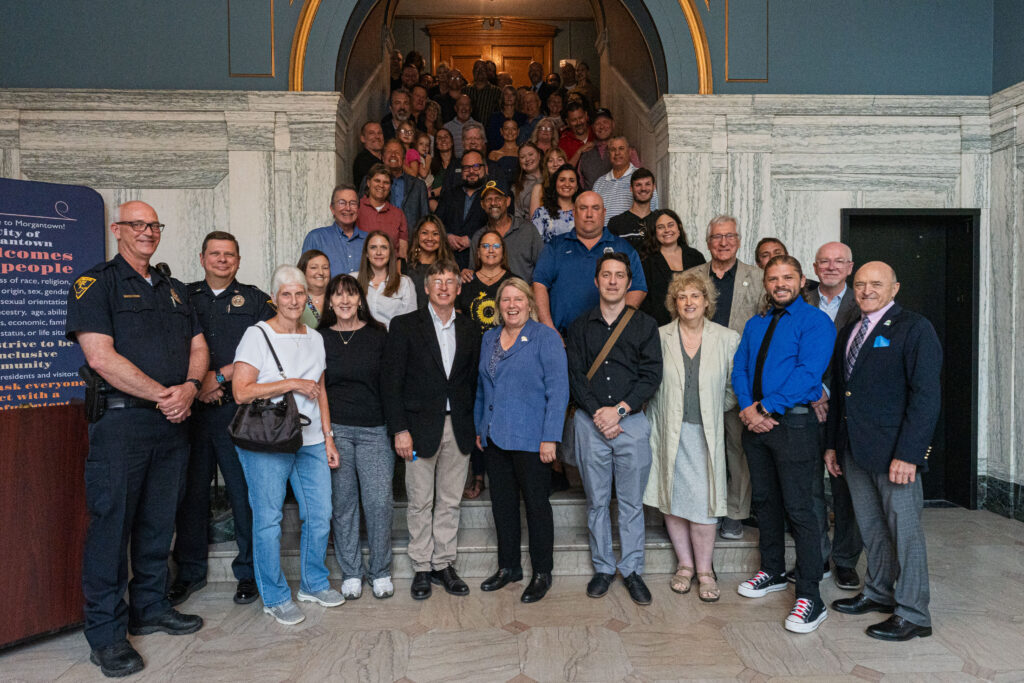
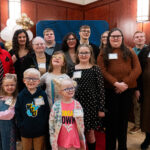
Members of Morgantown City Council, city officials, local dignitaries and members of the public pose for a photo during Tuesday's ribbon cutting at Morgantown City Hall.
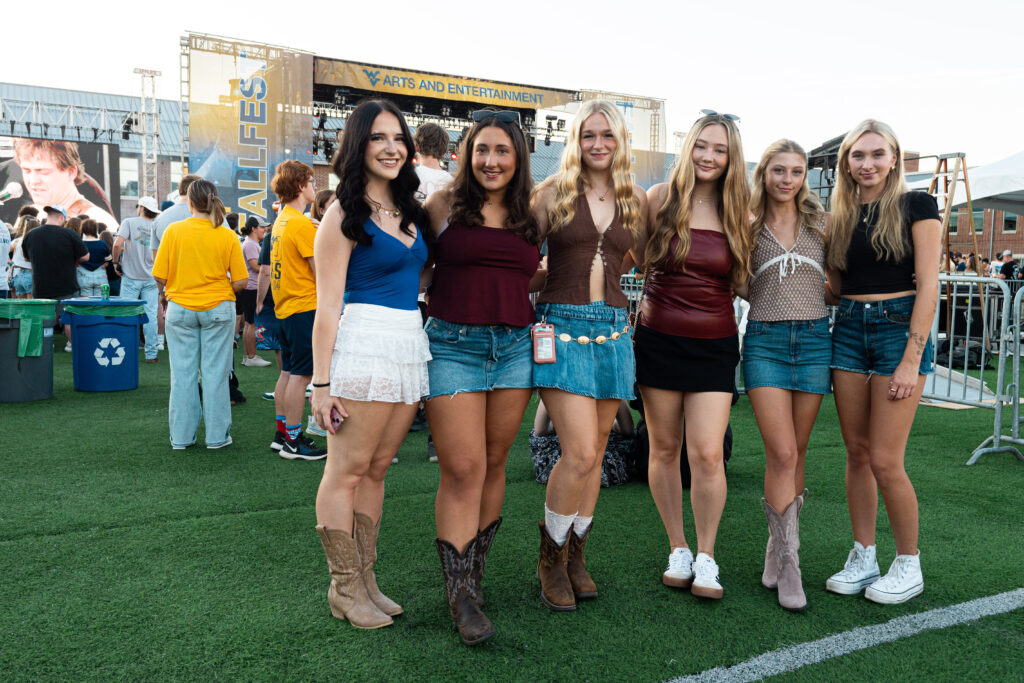
WVU hosted their annual Fall Fest event on Monday evening with hundreds of students coming out to see performances from Howes Party, Seneca and the legendary West Virginia native Sierra Ferrell.
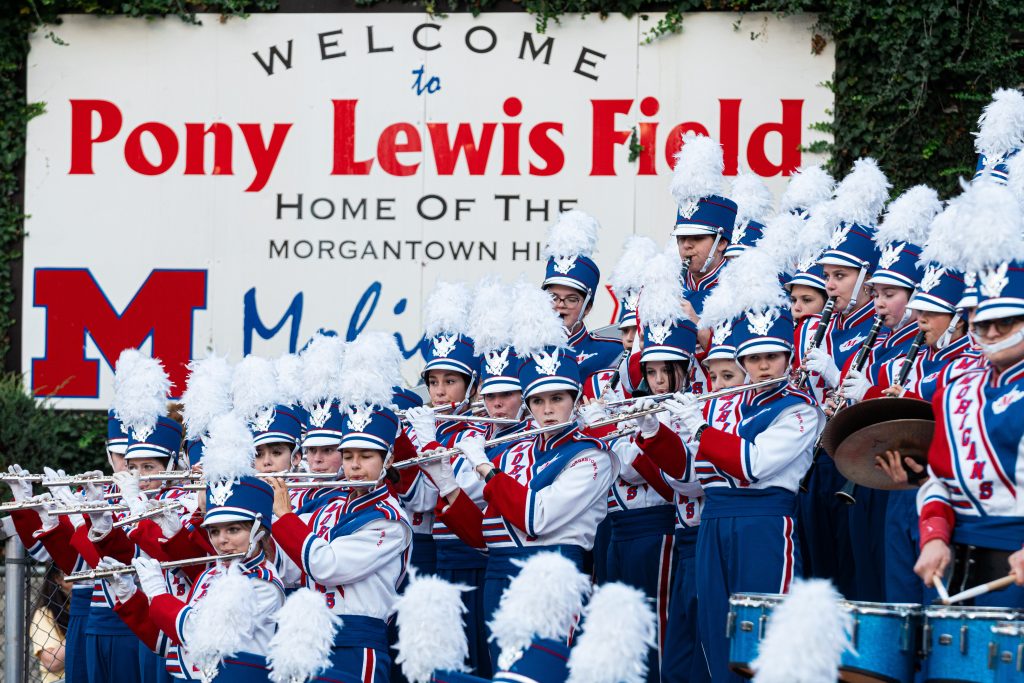
The Morgantown High School Band performs during their Band Spectacular on Thursday evening.
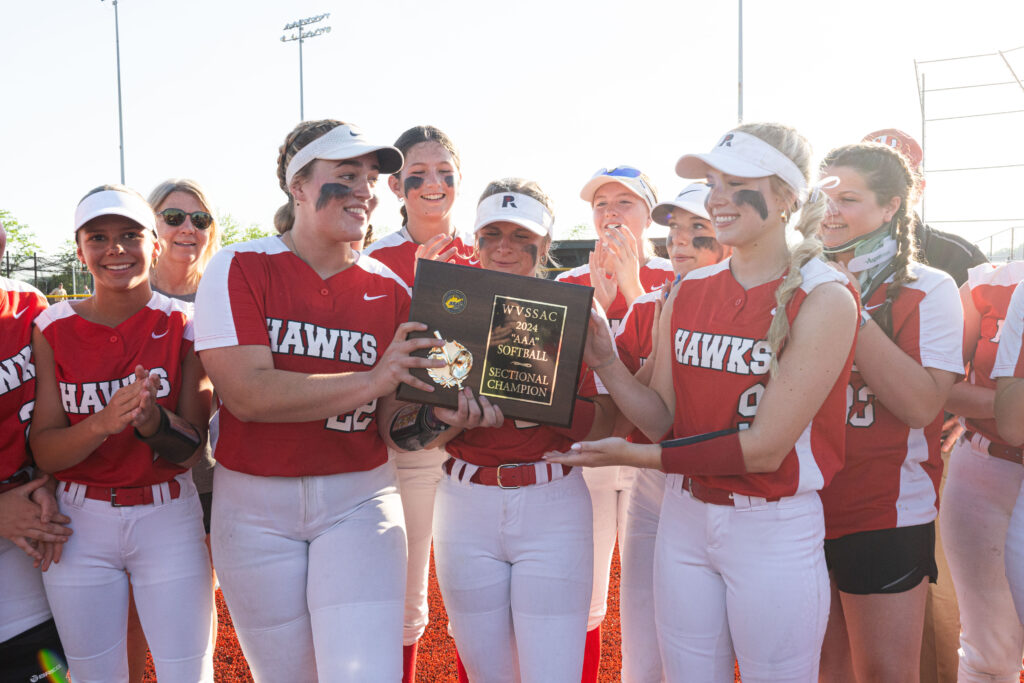
The UHS Softball team celebrate their Sectionals Championship on Thursday evening.
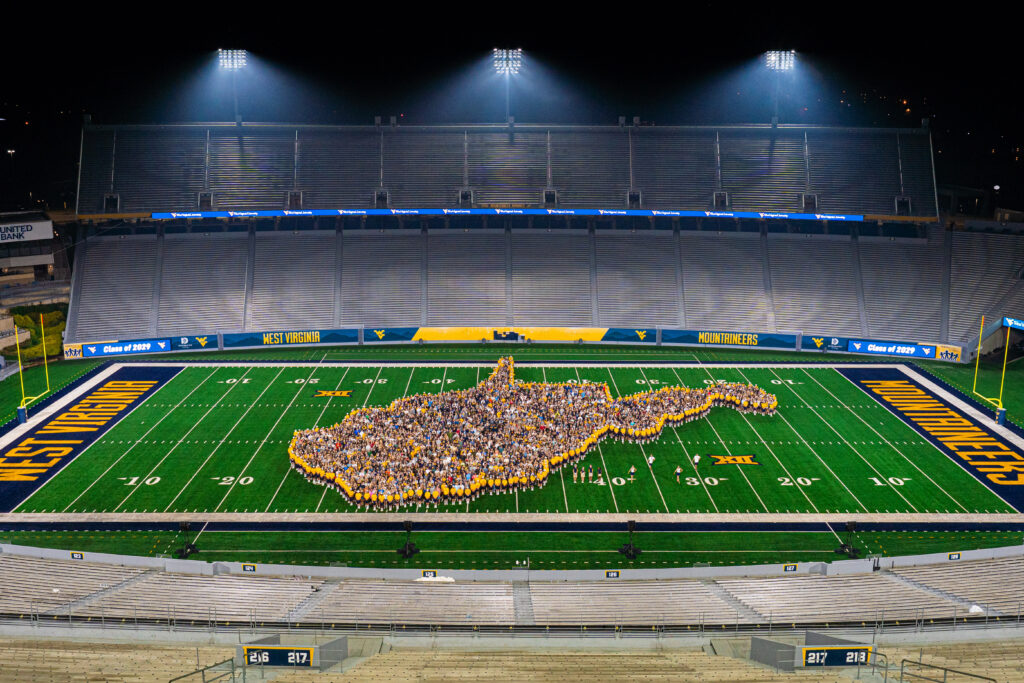
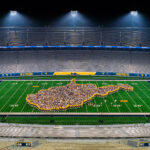
The WVU Class of 2029 pose for their class photo with the Pride of West Virginia inside Milan Puskar Stadium on Sunday night. (Benjamin Powell/ The Dominion Post)
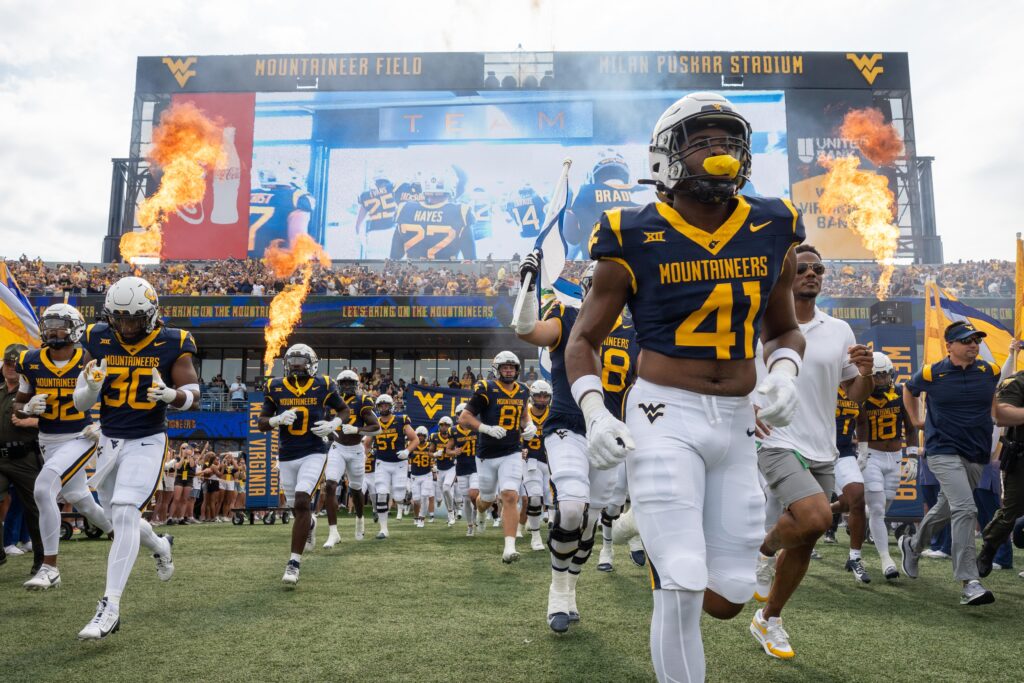
The West Virginia Football team makes an electric entrance with a packed Milan Puskar Stadium during their game against Kansas on Saturday afternoon.
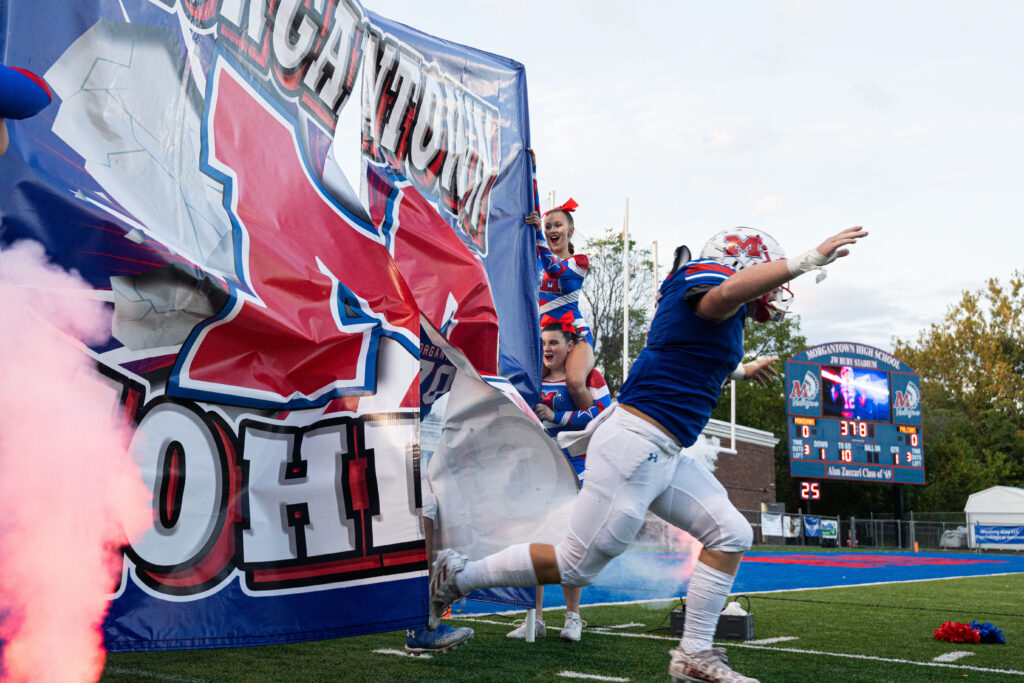
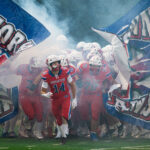
Morgantown's Football team makes an electric entrance for their home game against Connellsville on Friday night.
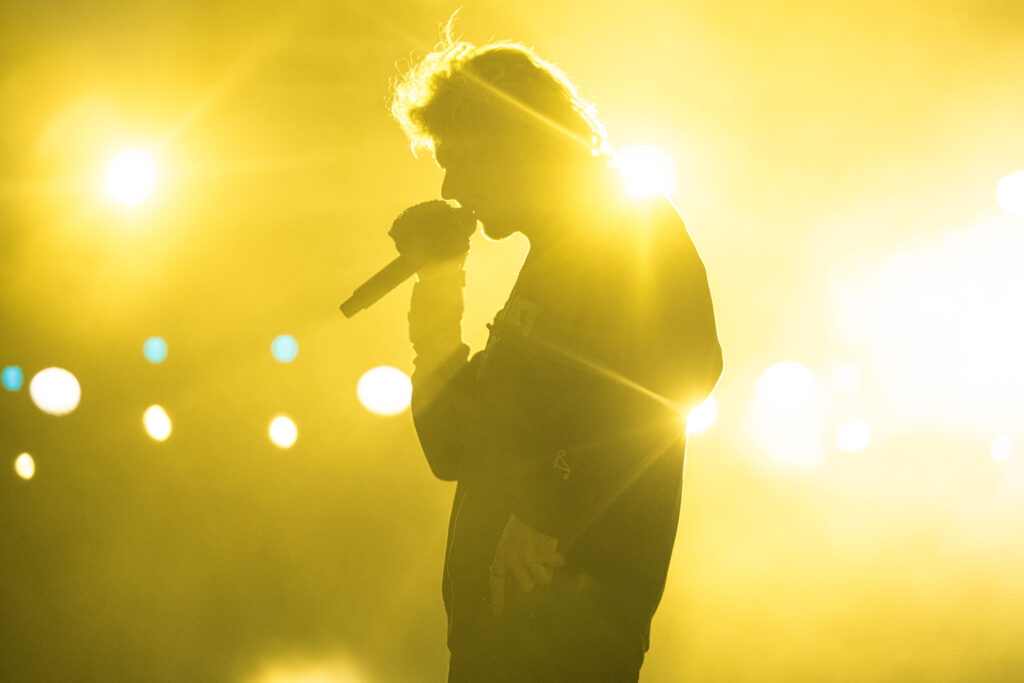
Yung Gravy performs to a packed WVU crowd during Fall Fest 2024 on Tuesday evening.
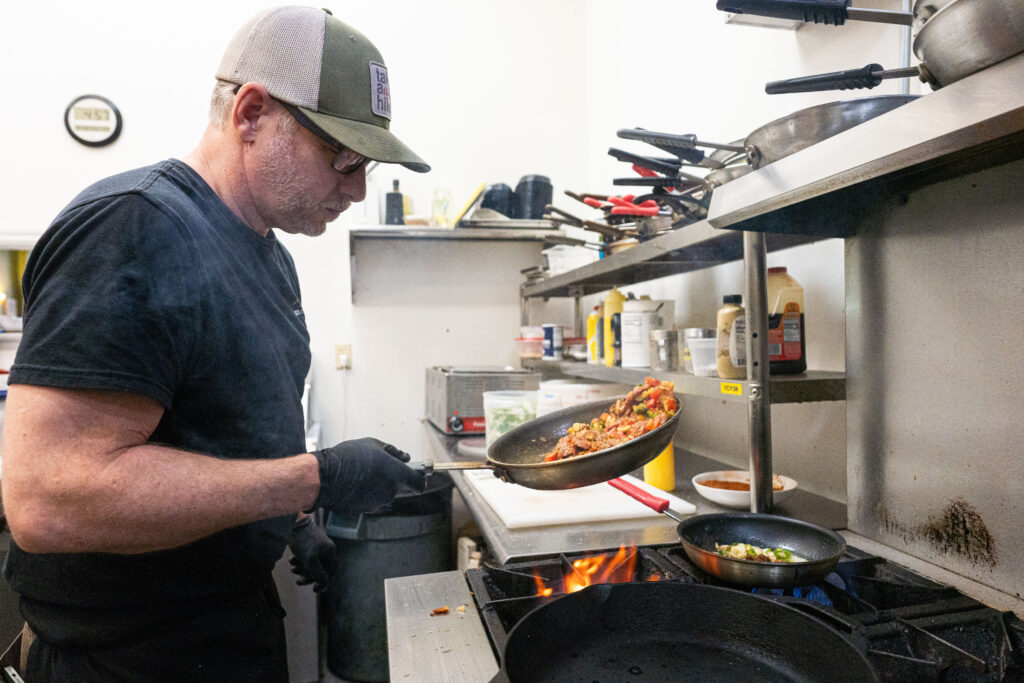
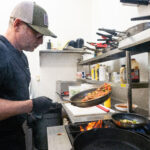
Co-Owner Michael Core prepares one of their dishes at Mickey C's Cuisine on Tuesday afternoon.
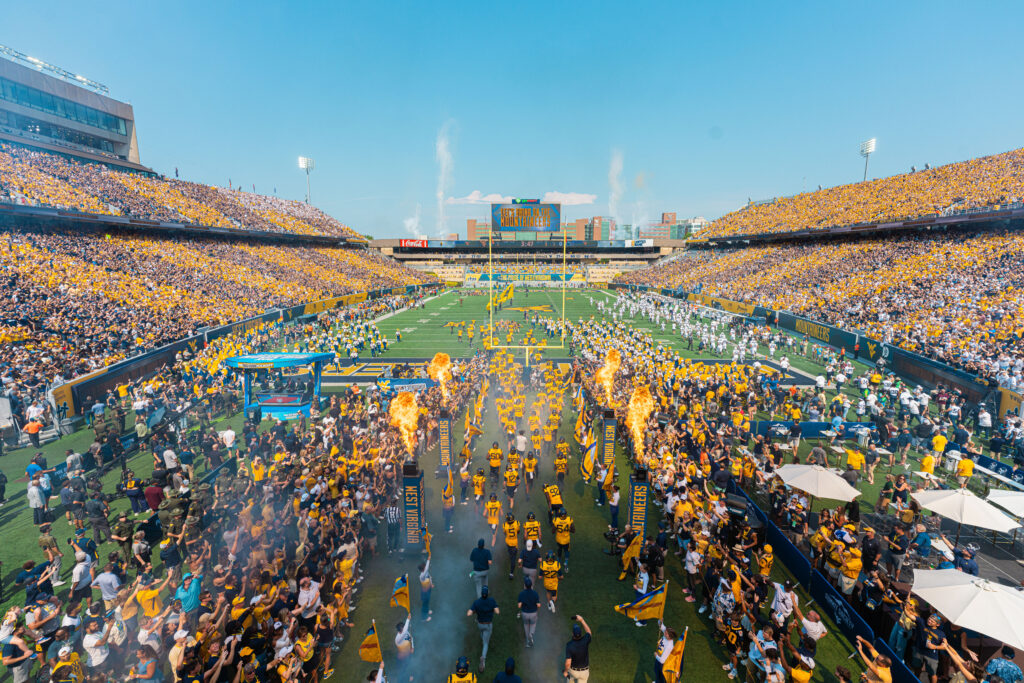
The West Virginia Mountaineers race onto Mountaineer Field with a packed crowd inside Milan Puskar Stadium during their 2024 game against Penn State. (Benjamin Powell/ The Dominion Post)
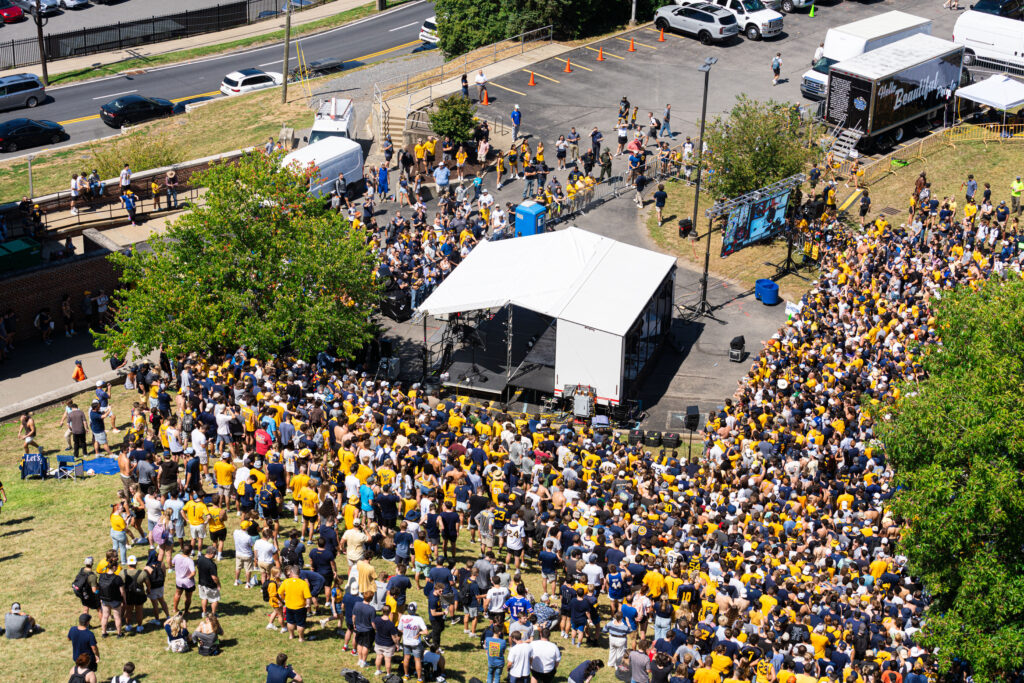
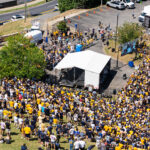
A packed crowd by the WVU Life Science Building for the Pat Mcafee Show on Friday afternoon with many special guests like Pat White, Neal Brown and Garrett Greene.
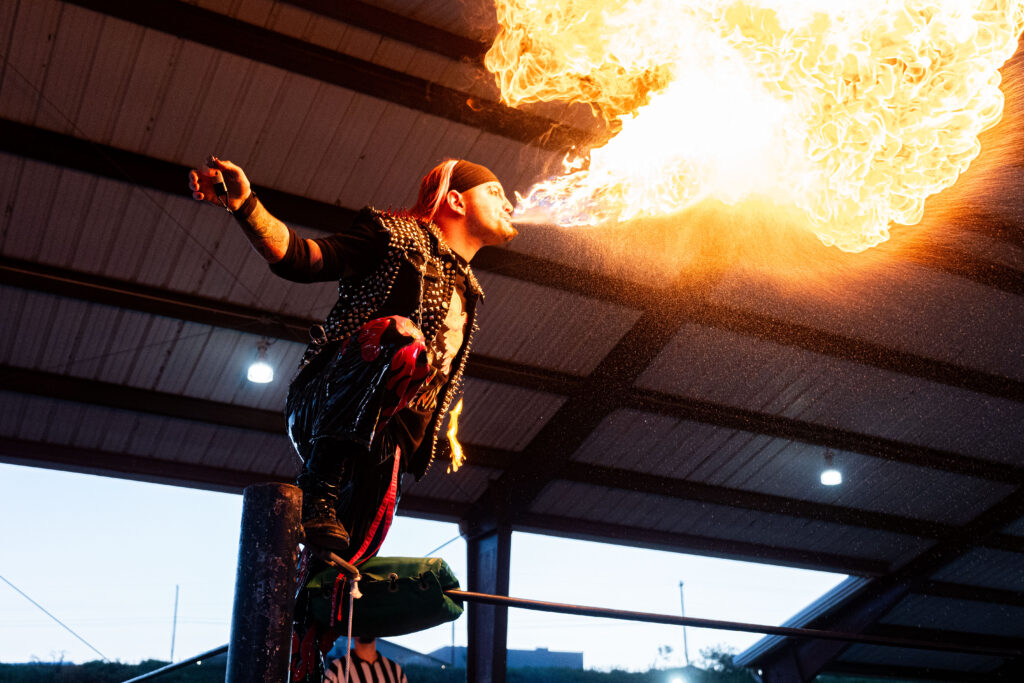
Pro Wrestler Shawn Pheonix shoots out fire during his entrance at RCW Wrestling Show on Thursday night. Benjamin Powell/ The Dominion Post
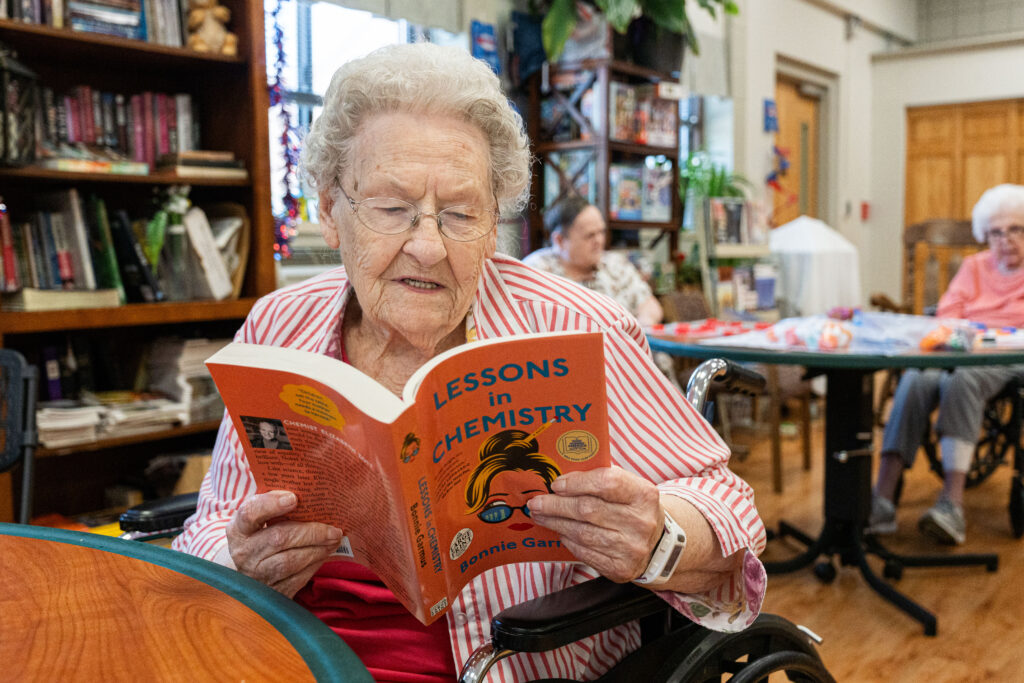
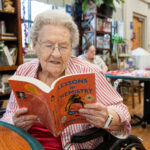
Catherine Kerns reads a book called "Lessons in Chemistry" at Sundale Nursing Home on Tuesday afternoon.
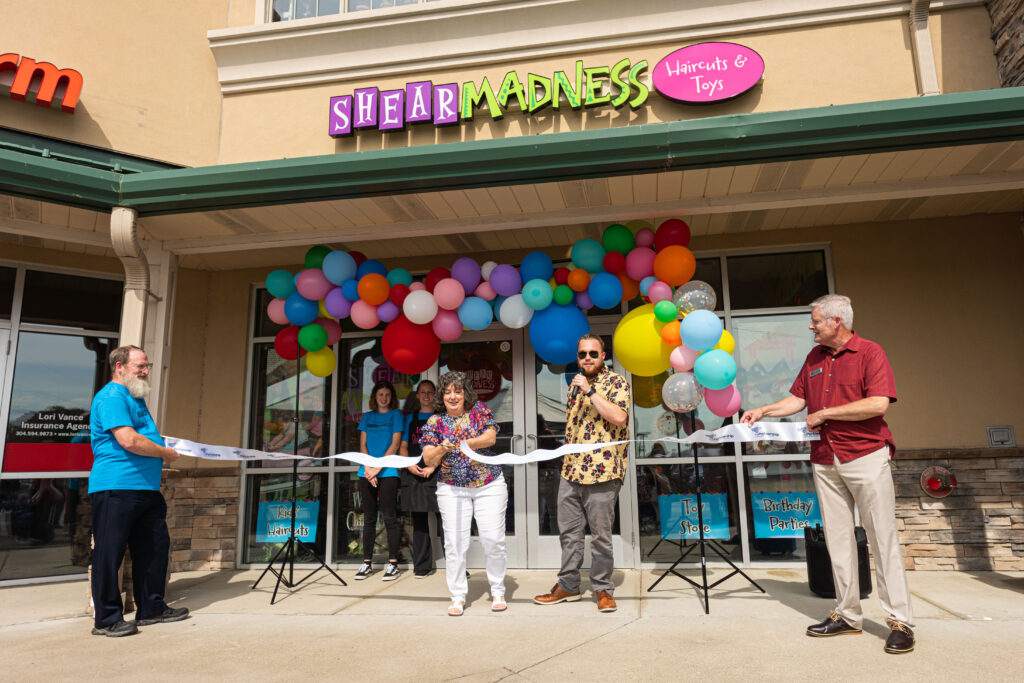
Owner of Shear Madness Mary Ann Davis cuts the ribbon in front of her business in Morgantown on Thursday evening.
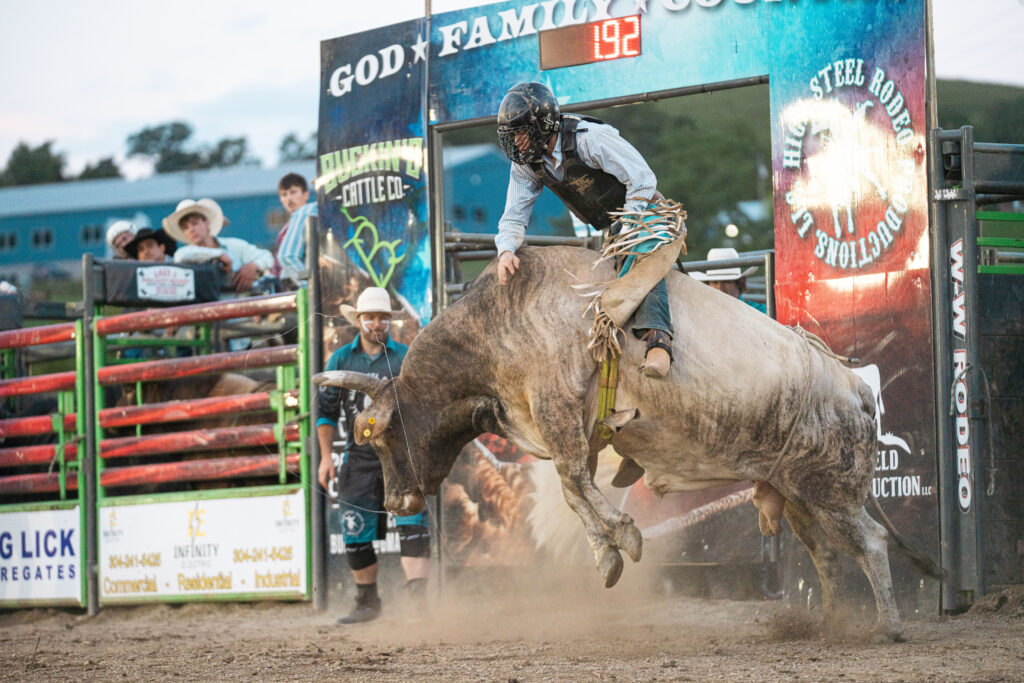
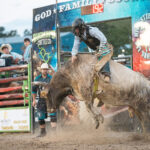
Professional Bull Riders from across the East Coast perform during the Mon County Fair on Wednesday night.
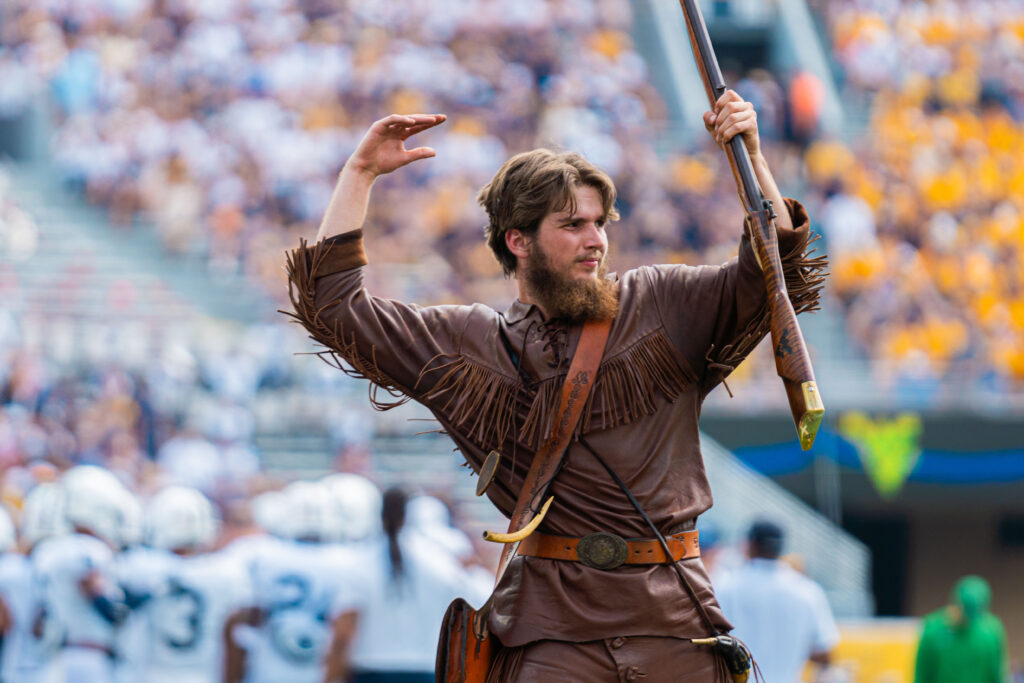
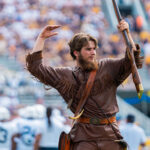
West Virginia's Mountaineer Mascot Braden Adkins gets the crowd excited on Saturday afternoon.
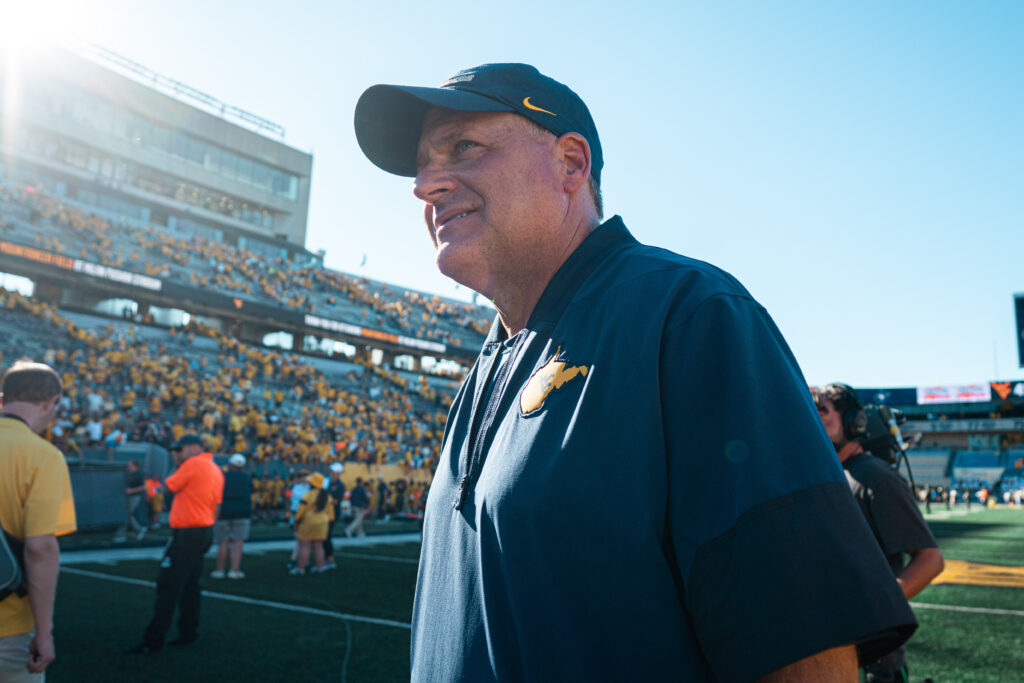
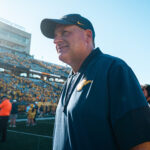
West Virginia's Head Coach Rich Rodriguez takes in the atmosphere around him after a win against Robert Morris. (Benjamin Powell/ The Dominion Post)
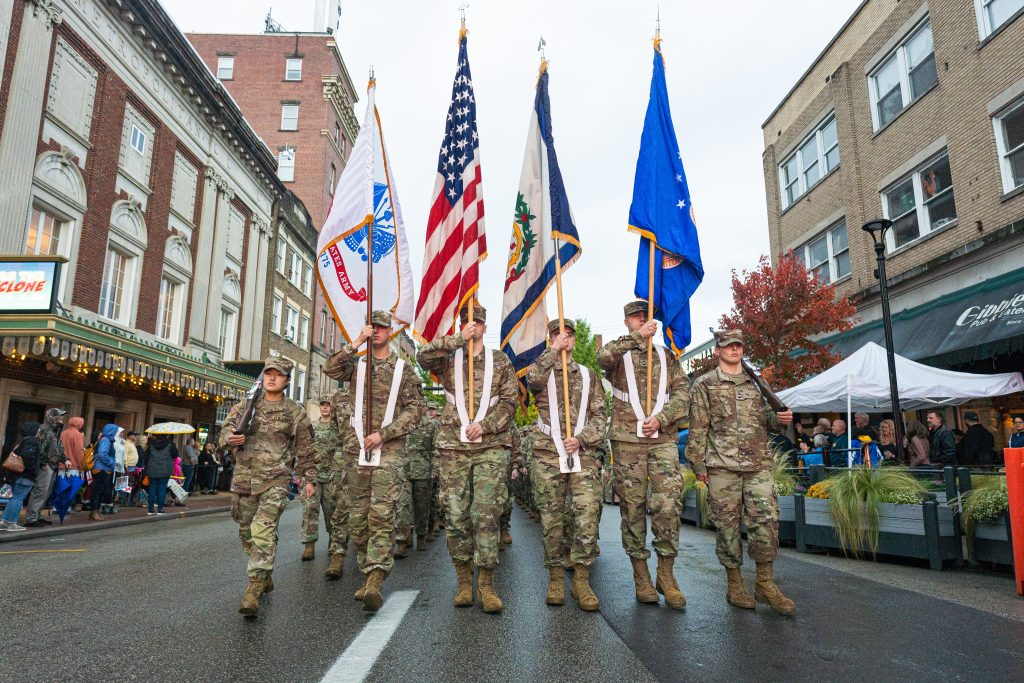
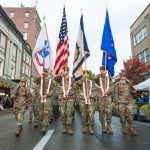
The WVU ROTC holds up our flags during the WVU Homecoming Parade on Friday evening.
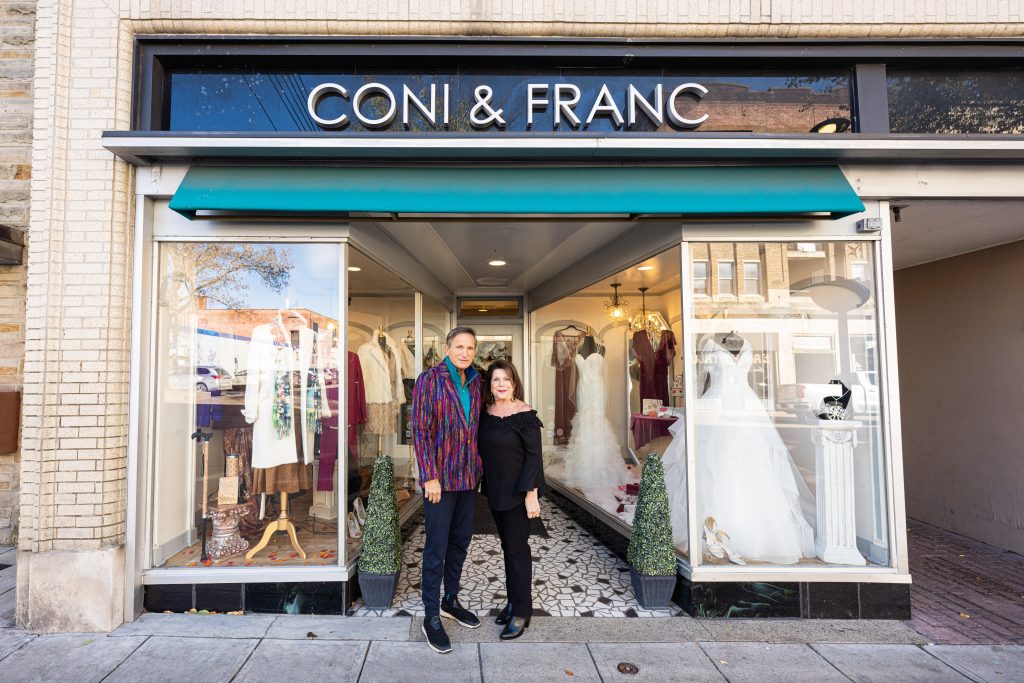
Coni and Franc Co-owners Frank Merandi (Left) and Constance Chico Merandi (Right) pose for a photo together in front of their store on High Street.
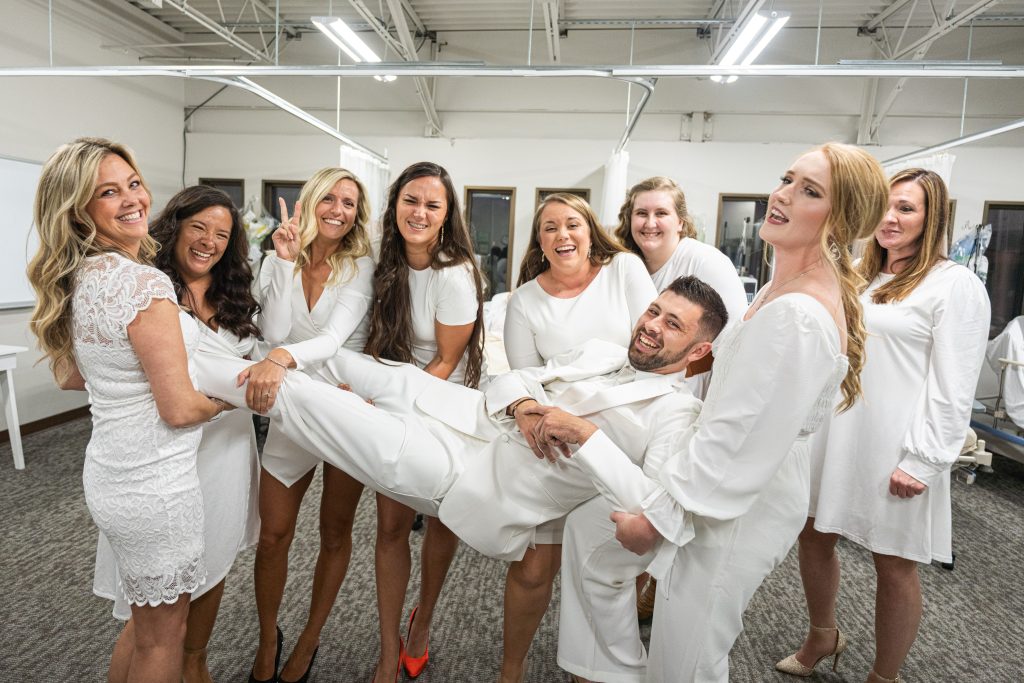
The class of 2022 Lauren College of Technology students pose for a group photo on Thursday night.
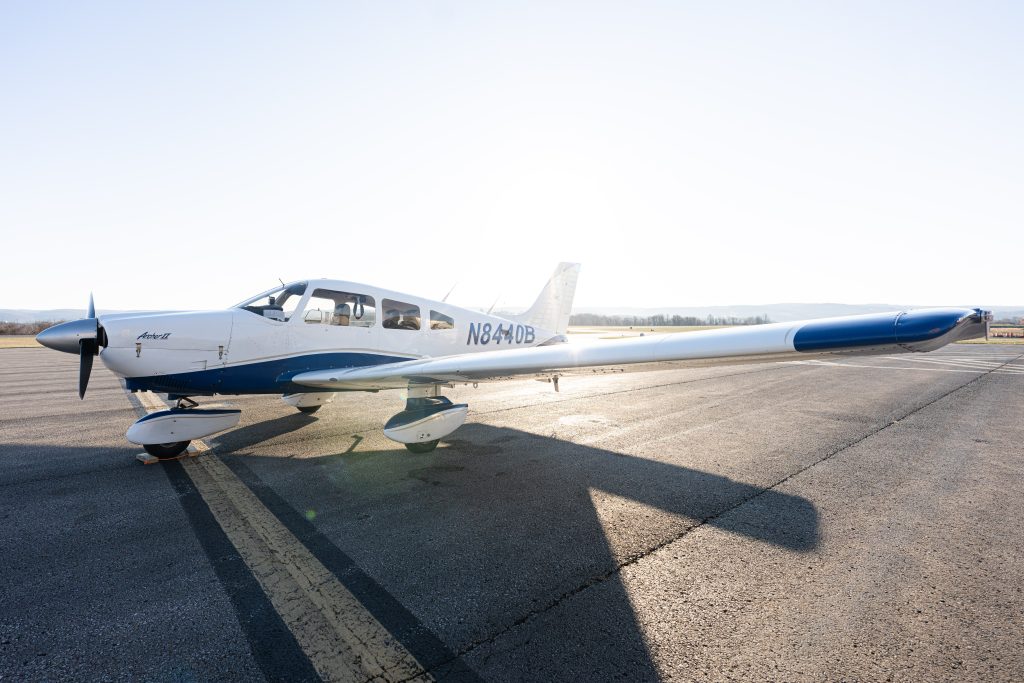
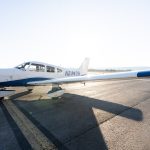
The 40 year old Piper Archer plane will be traveling Katie the dog to Michigan on Wednesday morning.
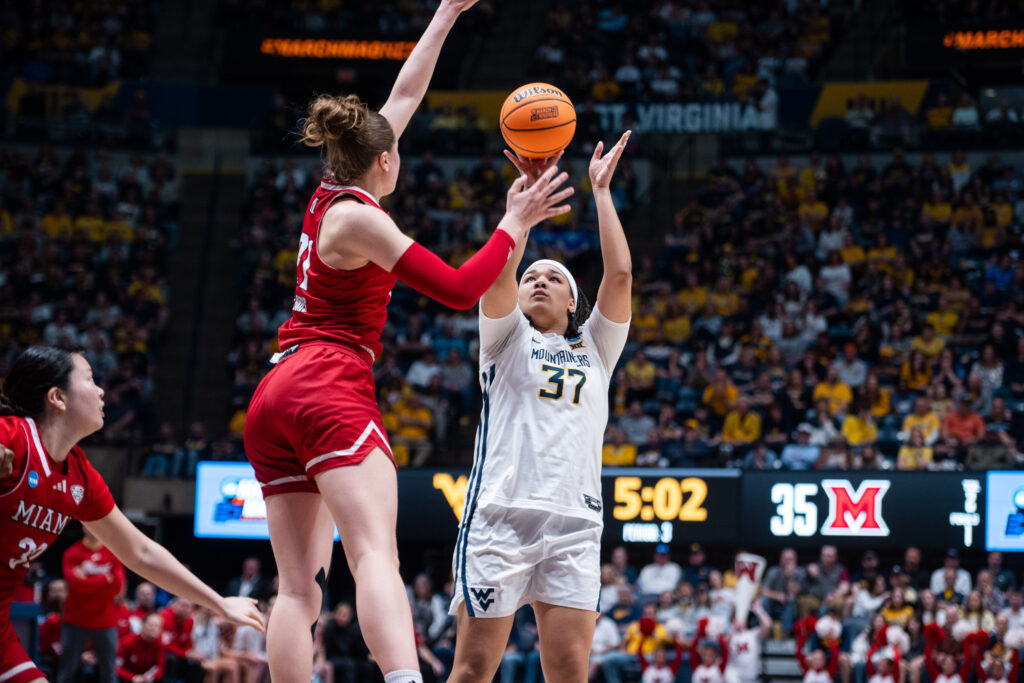
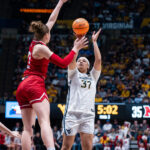
West Virginia's Célia Rivière (37) shoots for three against Miami (O.h.) during their NCAA first-round game inside Hope Coliseum on Saturday.
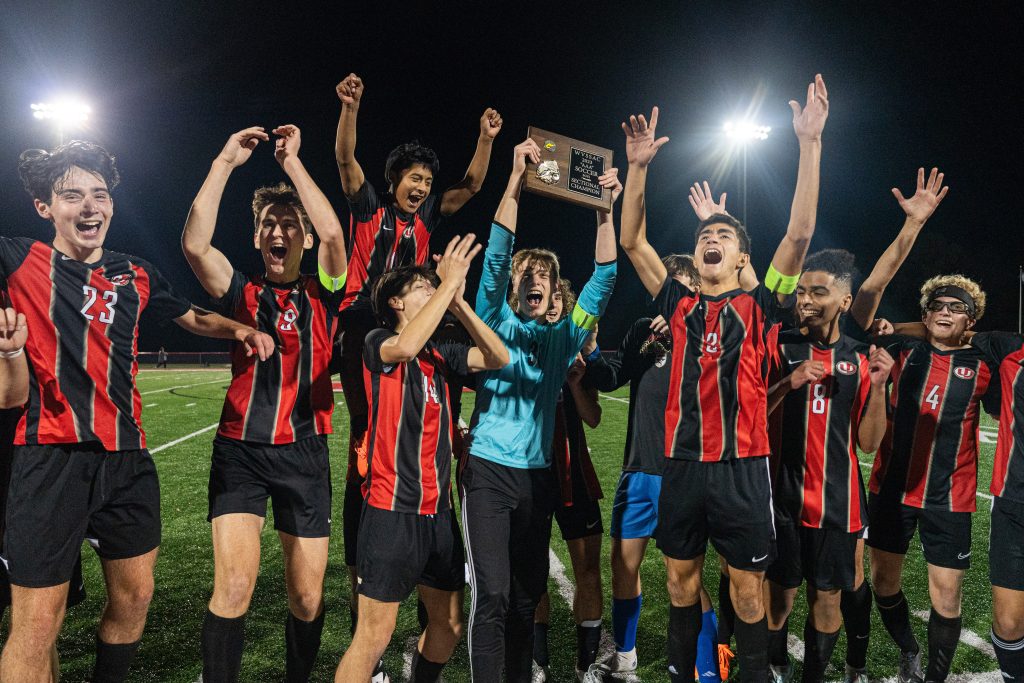
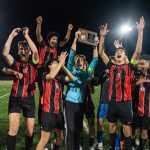
University High School's Soccer team celebrate their Win on Thursday evening to become Sectional Champions
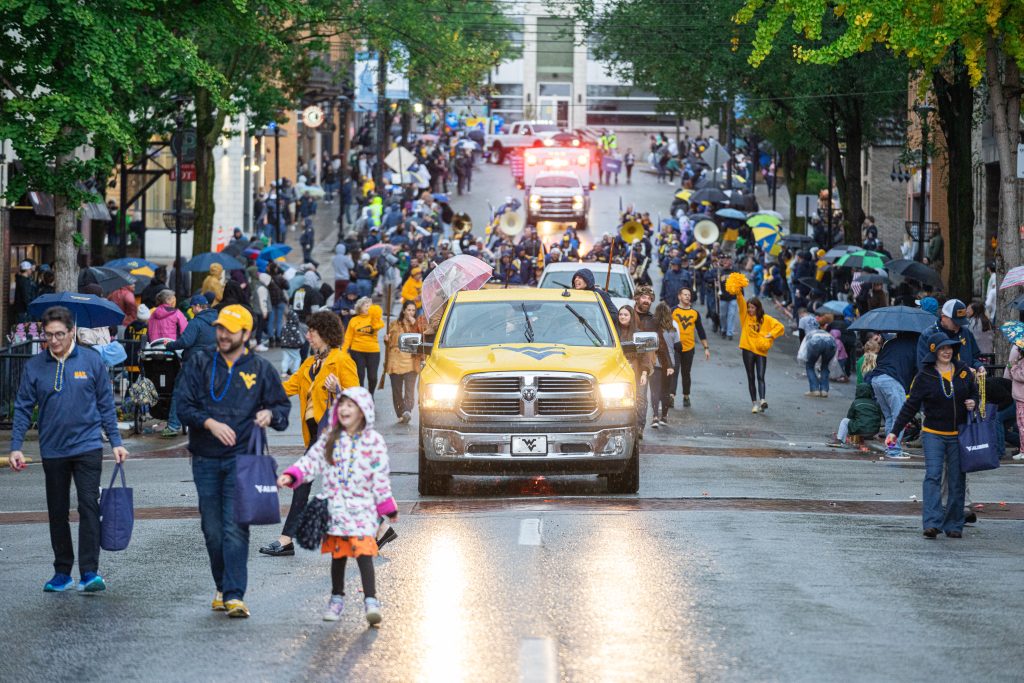
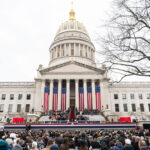
A wonderful atmosphere on Friday evening as the 2023 WVU Homecoming Parade brings a packed crowd on High Street.
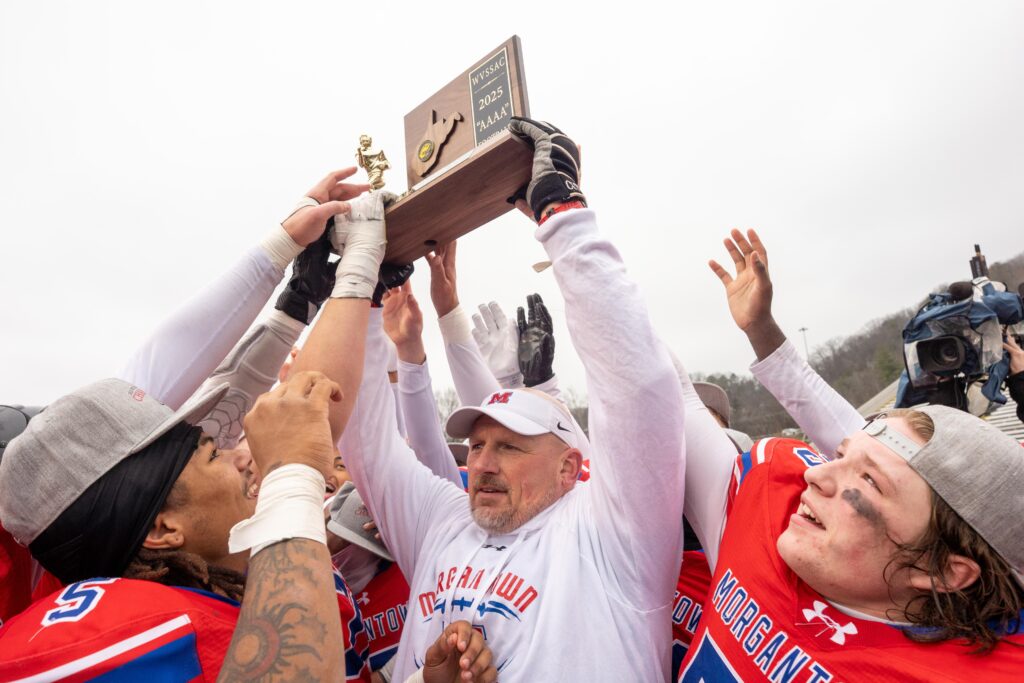
Morgantown’s Head Coach Sean Biser is joined with his players with the WVSSAC Class AAAA State Championship after a 28-21 victory over Martinsburg on Saturday afternoon in Charleston. (Benjamin Powell/The Dominion Post)
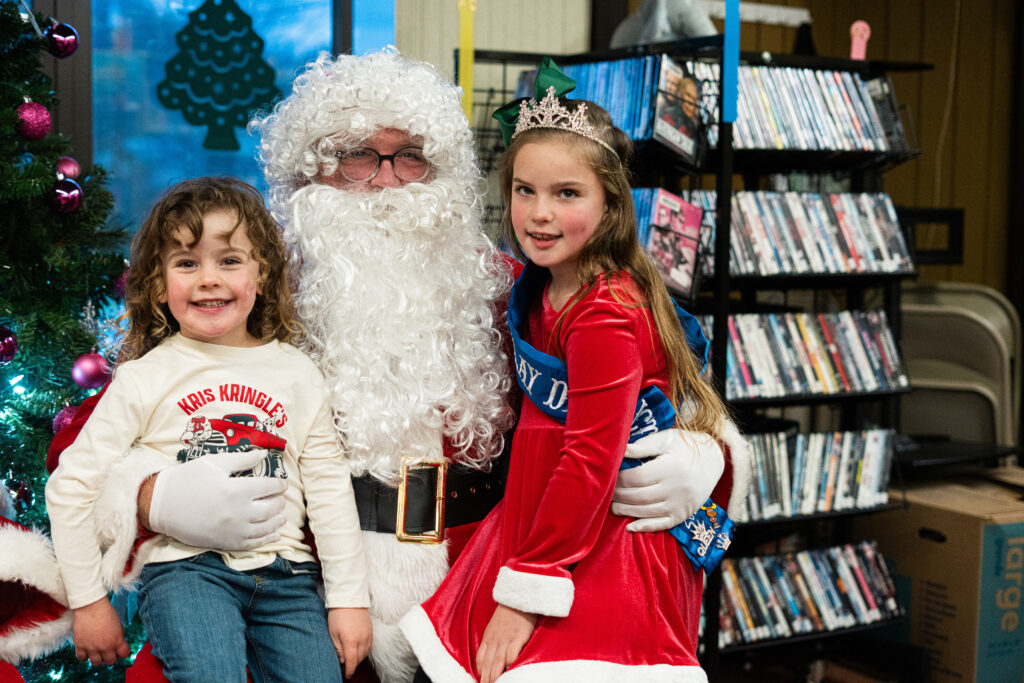
Branch (Left) and Oakley (Right) Knotts pose for a photo with Santa Claus on Sunday evening.
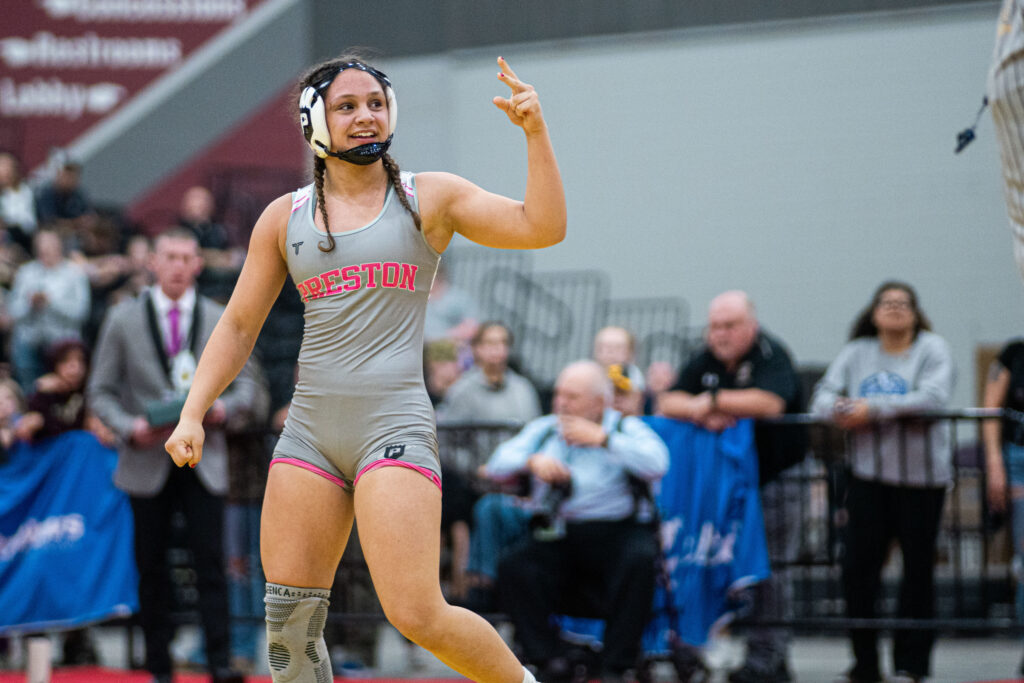
Preston’s Ava Turner won her second straight state championship on Saturday night in Huntington. (Benjamin Powell/ The Dominion Post)
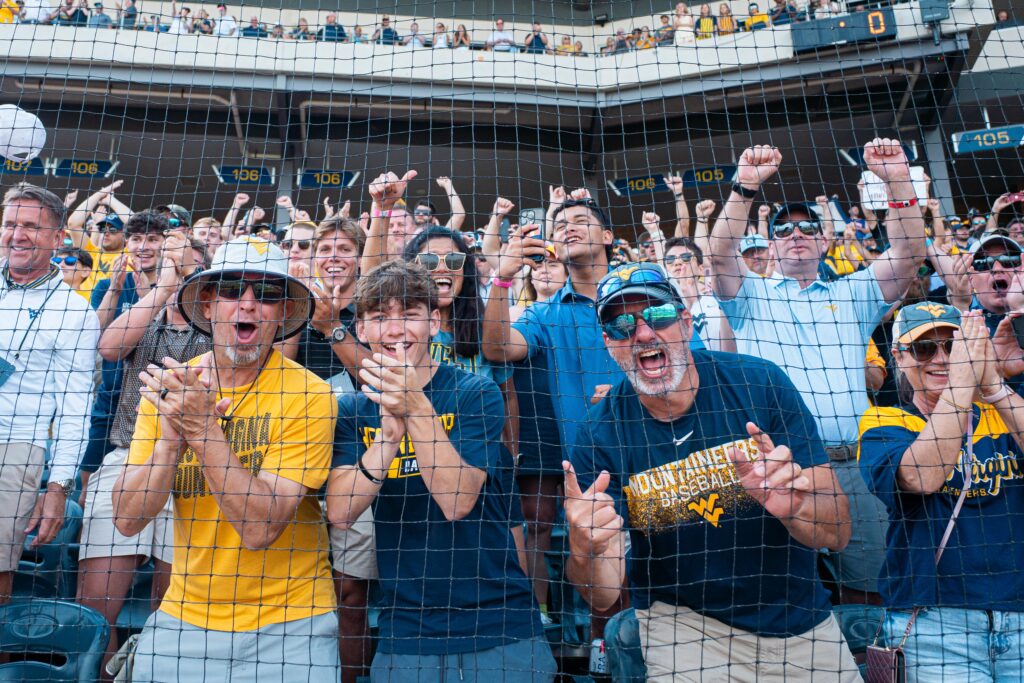
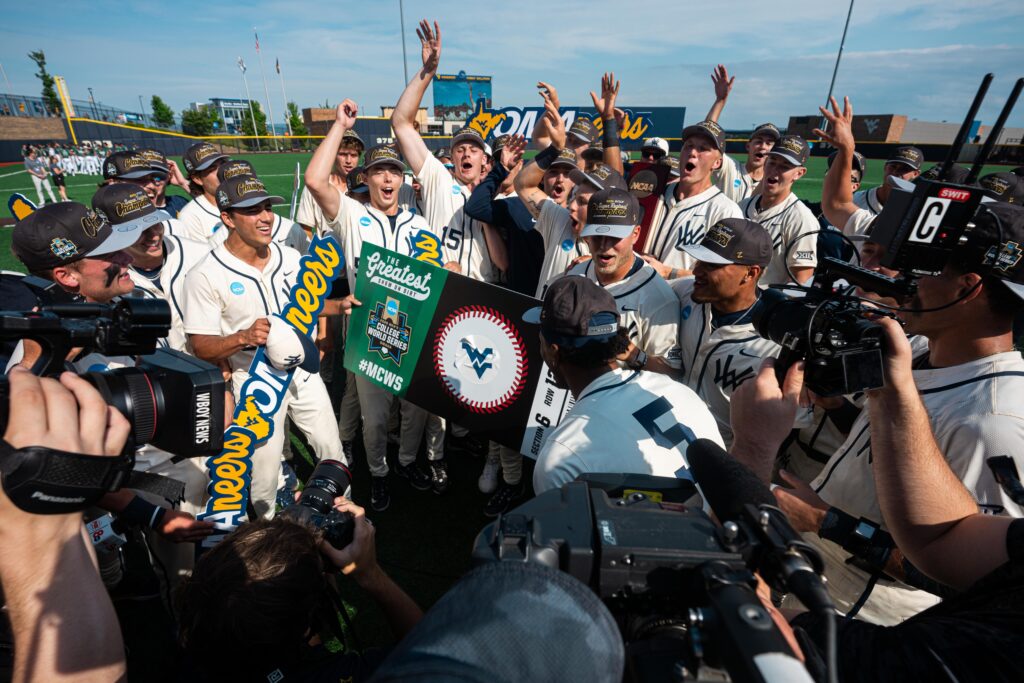
For the first time in program history, West Virginia Baseball will head to the World Series in Nebraska after defeating Cal Poly on Saturday afternoon.
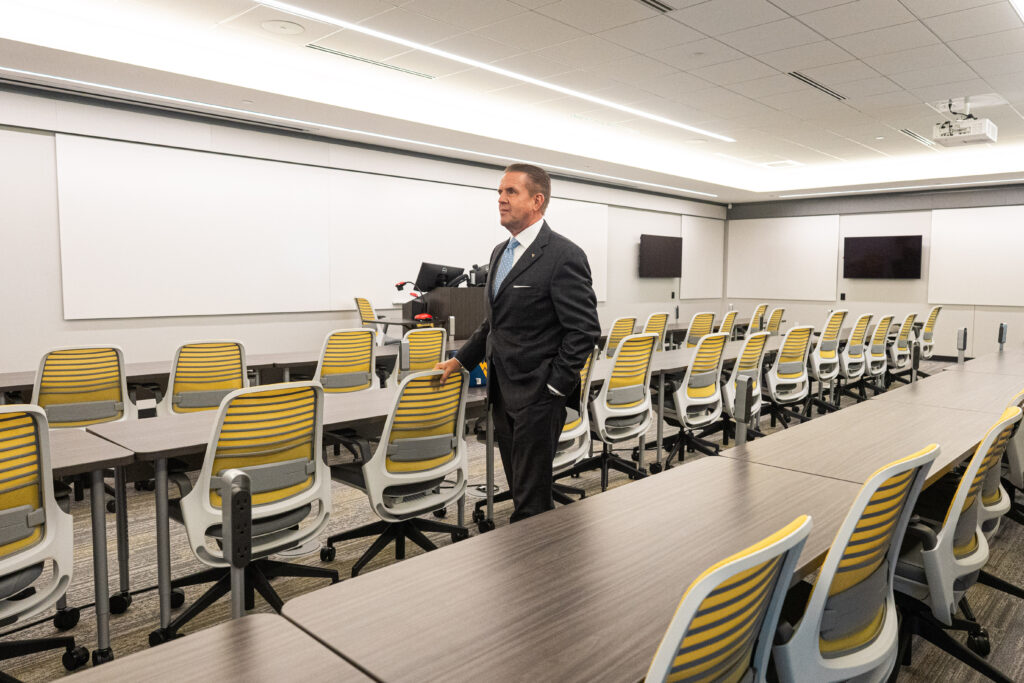
The 27th President of West Virginia University Michael Benson gets his first look of downtown campus before taking over as President.
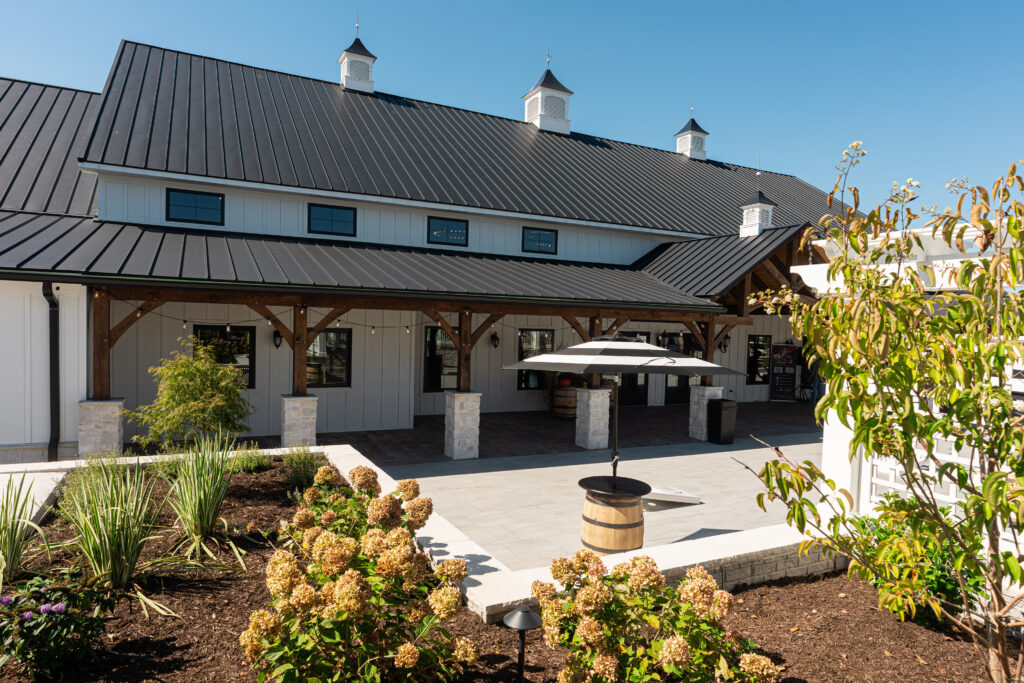
The new wedding venue White Oak 1838 located at 360 Tyrone Road offers a beautiful view of Morgantown. (Benjamin Powell/ The Dominion Post)
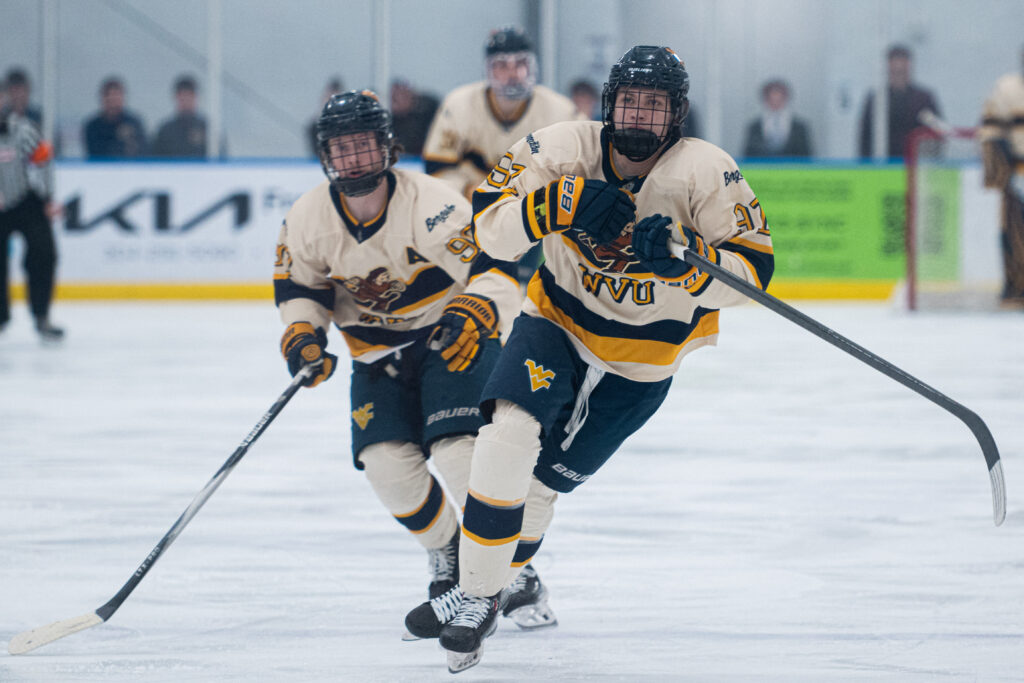
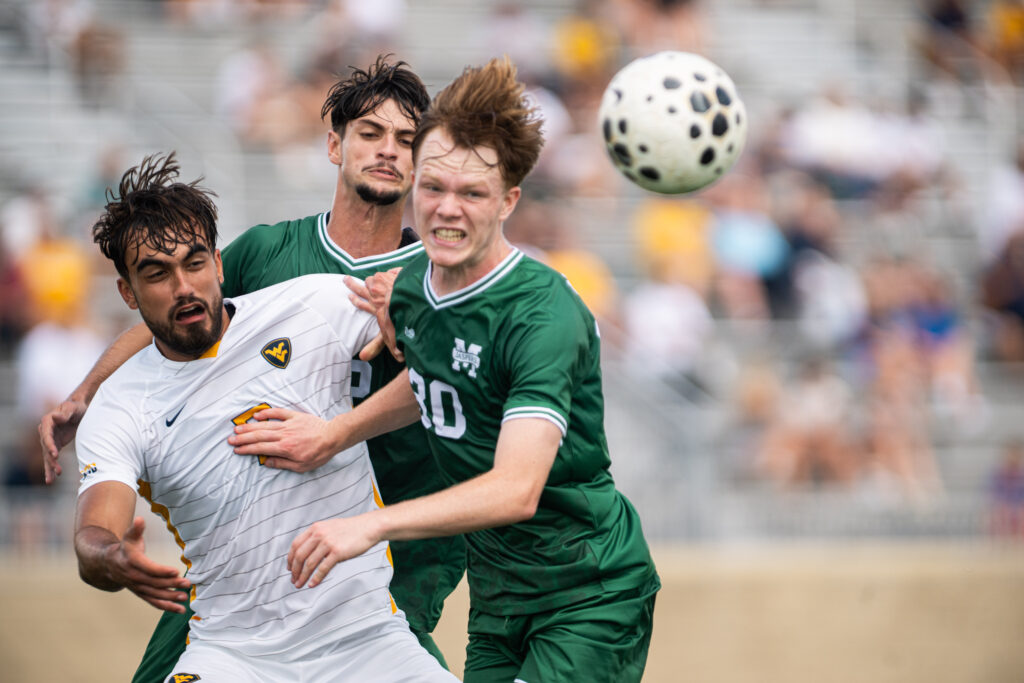
West Virginia's Marcus Caldeira (7) fights against Manhattan to get to the ball on Thursday afternoon.

Richard Groves (Left) and his grandmother Sally Groves (Right) pour fresh dirt inside a pot during Mon County Head Start's Earth Day Event at Marilla Park on Friday.
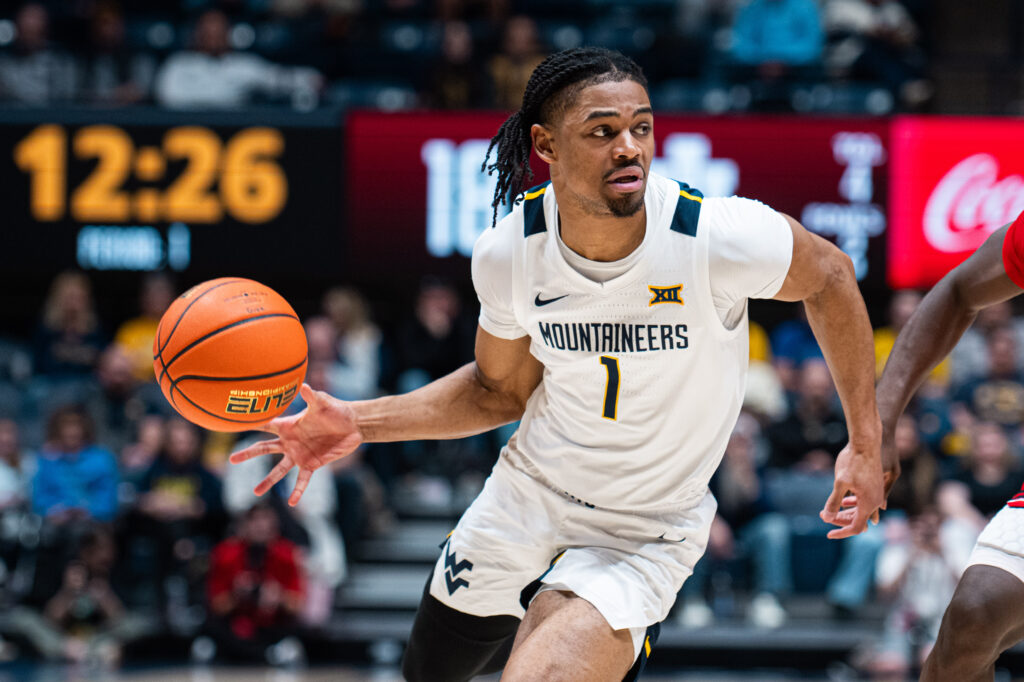
West Virginia's Jasper Floyd (1) attempts to keep control of the ball against Utah on Wednesday night.
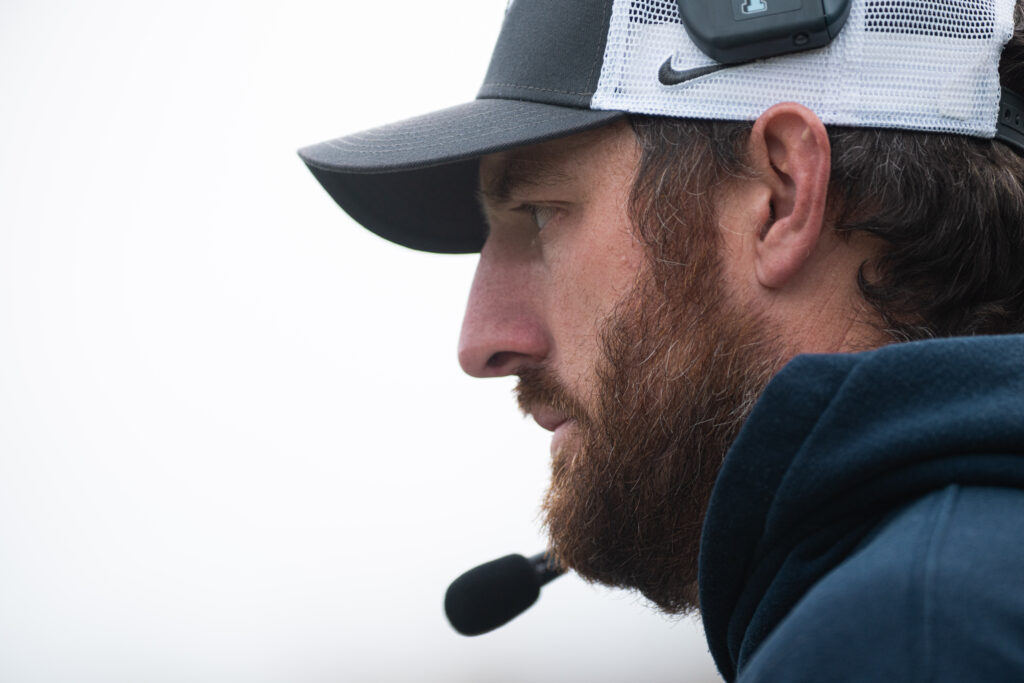
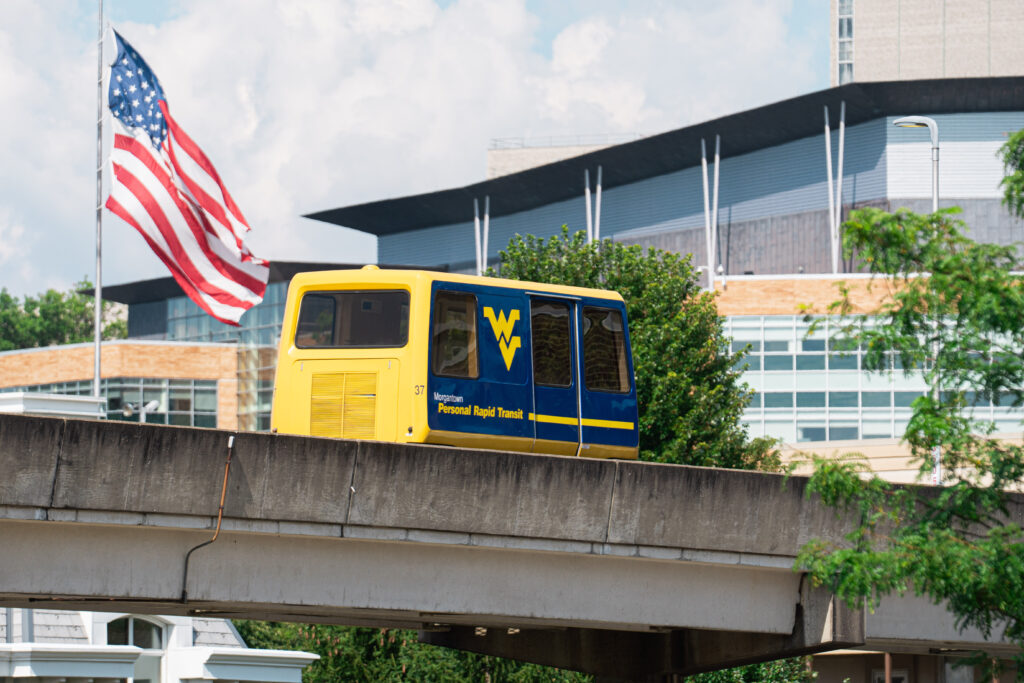
"Happy WVU Move-In, Class of 2029" The West Virginia University Class of 2029 made their arrival in Morgantown on Thursday, marking the official kickoff of WVU’s Welcome Week activities. Under bright skies and summer heat climbing into the mid-80s, hundreds of new students — accompanied by family and friends — started getting settled into their new home away from home. (Benjamin Powell/ The Dominion Post)
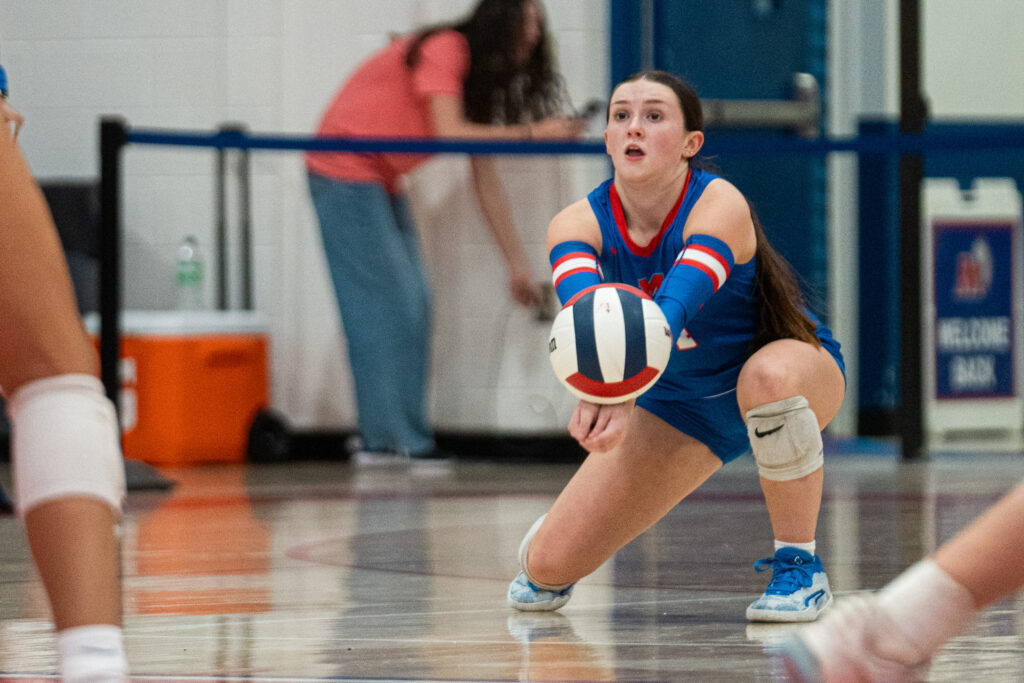
Morgantown's Audrey Tompkins (4) makes contact with the ball against North Allegheny on Tuesday evening.
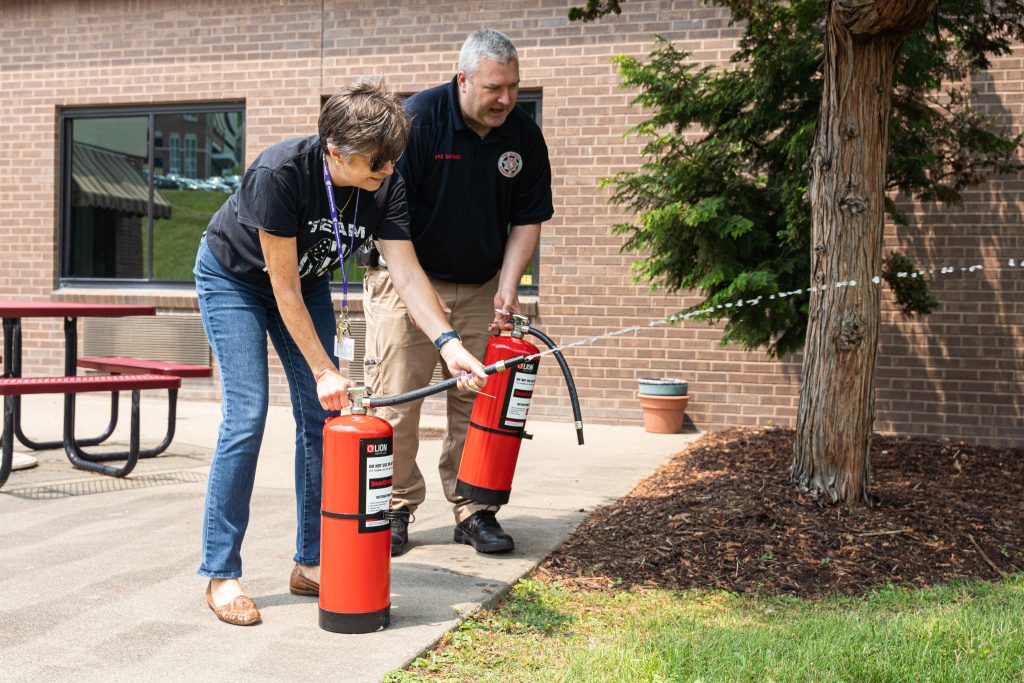
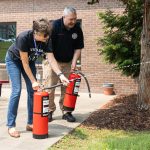
Shirley Orhrssen learns how to deploy a fire extinguisher during the Health Encompass Employee Safety Picnic on Friday morning.
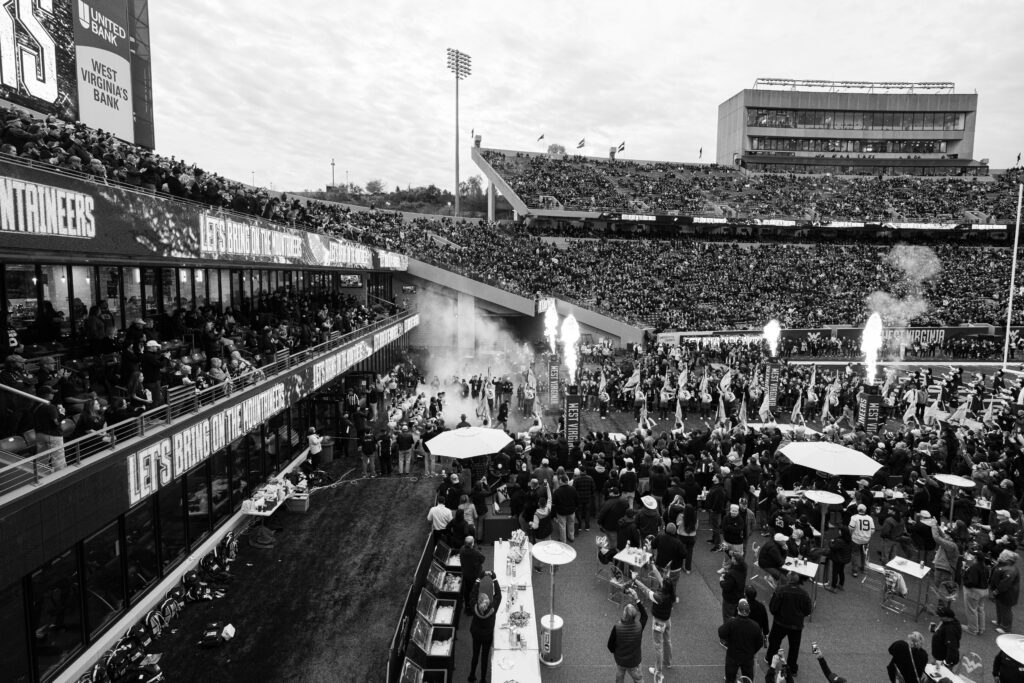
The West Virginia Mountaineers rushes onto Mountaineer Field for their coal rush game against TCU on Saturday evening.
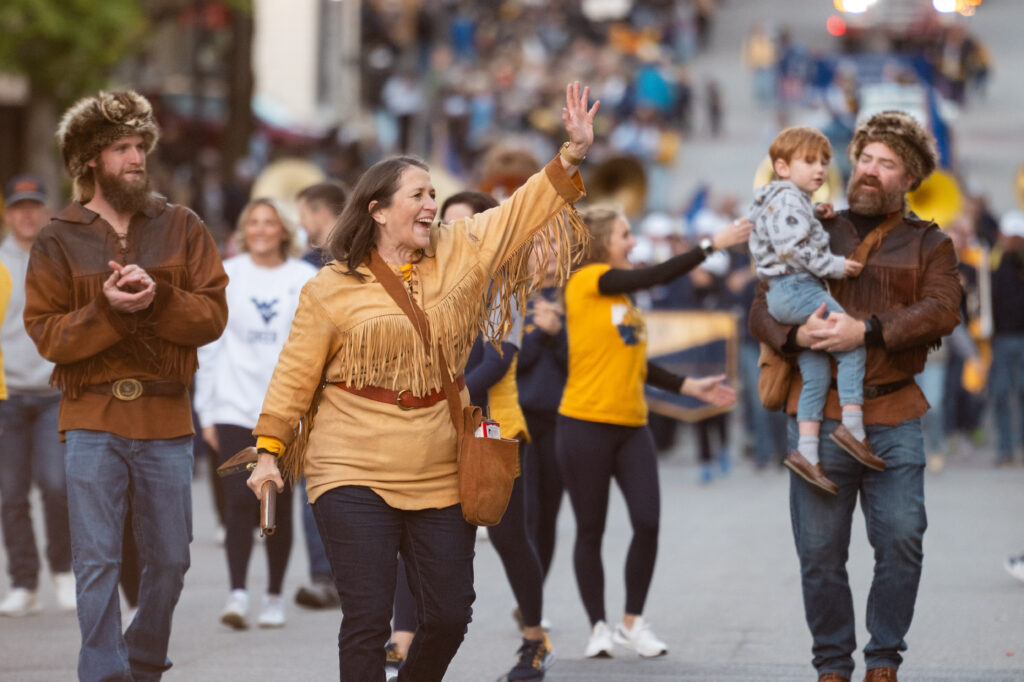
The first female Mountaineer Mascot Natalie Tennant returns to Morgantown during the Homecoming parade on Friday evening.
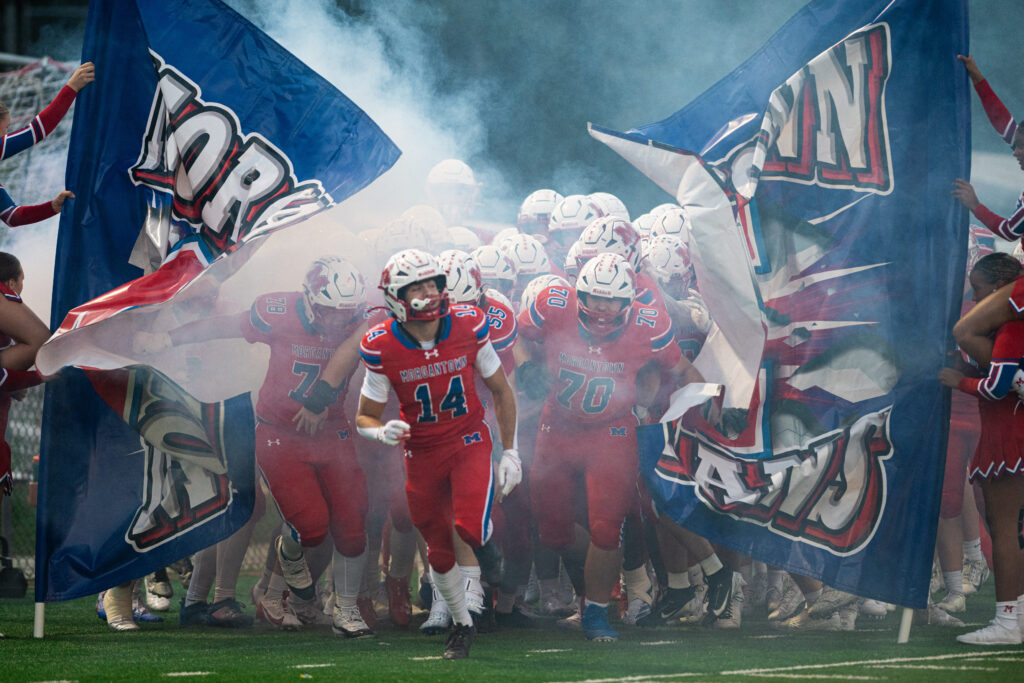
The Morgantown Mohigans prepares to go to battle against Wheeling Park at Pony Lewis Field on Friday night.
Brandon Maine warming up during & Yoga's evening class - 08/19/2021
CBHS Football Team makes their way to the field during CBHS vs BVHS Football Game on Friday. 09/17/2021
WVU Men's Basketball Team work together to serve meals to community members on Wednesday. (Benjamin Powell/ The Dominion Post)
The West Virginia Football team races out onto Mountaineer Field on Saturday night while debuting their new "coal rush" themed uniforms during their game against Iowa State.
Area Wide Protective continues their sidewalk construction due to a pass leak a couple months back on Walnut Street across from the County Sheriff's Office with the right lane closed off on Monday. Labor Workers Jordan Coble and Jon Stockert gives a rough estimate of one to two weeks of work left to go.
West Virginia's #13 Isaiah Cottrell takes a shot at the three point line on Tuesday.
Morgantown is filled with sunny weather this week with temperatures reaching the 90s while rain is expected for Thursday.
Victor Greco, left, Michael Mills and Ryan Hess pose for a picture in front of Mills Group building on Friday.
Actor/Celebrity Quest John Wesley Shipp talks with fans about his story and career during Mountaineer Comic Con 2021 on Friday. 09/24/2021
Al Torrence flips his guitar around his back for the Morgantown crowd on Friday during the Summer Concert Series.
Singer Joseph Russo representing Freddie Mercury sings and snap his fingers to the beat of the song during Almost Queen performance at Hazel Ruby McQuain Park on Friday.
Morgantown's #2 Mallory Wiles defends the ball against Buckhannon-Upshur's #42 Kierra Arbogast on Tuesday.
University's Colton Guthrie quickly jumps over one of his hurdles during the Boys 110 Meter Hurdles race on Tuesday.
University High School's Football team captains walk onto the field for the coin toss against Wheeling Park on Friday.
The pilot of "The Viper" Don Wertman II gets his hot air balloon ready for flying on Friday at the Morgantown Airport.
The Dominion Post file photo.
A Student Graduate smiles back at his classmates during the University High School's 97th Annual Graduation Ceremony on Friday evening.
Morgantown Marching Band marches down High Street during the Morgantown High School Homecoming Parade on Wednesday evening.
A West Virginia flag blows in the wind on Saturday.
A silent auction took place at Lauren's Wish charity dinner and a joyful puppy was up for adoption on Thursday at Tropics.
President and CEO of 84 Lumber Maggie Hardy is joined by special guests as she cuts the wood for the expansion of 84 Lumber location in Sabraton WV on Thursday morning.
Pat Mcafee interacts with fans in Morgantown on Friday afternoon during his live show.
Morgantown High School Football team embrace with the Mohawk Bowl Trophy after their victory against University on Friday night.
A squirrel having a lunchtime snack on a tree at Krepps Park. The Fall Season has begun this past Saturday and Morgantown is feeling the cool temperatures and the more vibrant colors on Monday afternoon.
West Virginia's #20 Taylor White attempts a goal shot against TCU on Sunday afternoon.
FOR SOCIAL Benjamin Powell/ The Dominion Post
Morgantown's #11 Bobby Powell takes the ball down the field against Bridgeport on Friday night.
The Morgantown student section gets excited for their game against Steubenville on Tuesday.
Gov. Jim Justice gives his remarks about the new cabins being built at Coopers Rock State Park on Monday afternoon.
The Arch Street neighbors setup the annual Greenmont Haunted after a two year hiatus due to the pandemic on Monday evening.
Mary the Mountaineer Mascot celebrates a West Virginia touchdown with the crowd on Saturday.
The Morgantown community gathered to enjoy the WVU Homecoming Parade on Friday evening on High Street.
The Mountaineer fans cheer for their team during their game against UAB on Saturday.
The Morgantown Football team prepare to kick off their season on Friday night against South Charleston.
Bert Moore and his dog "Raina" enjoys the summer weather during Dog Day at the Pool on Sunday afternoon.
WVU President Gordon Gee.
The WVU Mountaineers roll out the carpet to bring on the WVU Men's Basketball team on Sunday evening.
PHOTOGRAPHY DAY. Benjamin Powell/ The Dominion Post
PHOTOGRAPHY DAY. Benjamin Powell/ The Dominion Post
Benjamin Powell/The Dominion Post FIRST-PLACE FEATURE PHOTOGRAPHY: A photo of the solar eclipse above Morgantown on April 8, 2024
Fairmont Medical Center's Nurses assist FSU student Ceylon Hamilton with staged face injuries a part of a surprise emergency drill on Thursday morning.
(Starting from the left) WVU Football's Austin Brinkman, Hammond Russell IV, Taurus Simmons and Corey McIntyre Jr. pose for a group photo with a Hearts of Gold service dog on Monday afternoon.
Members of the BAPS Shri Swaminarayan Mandir in Morgantown pose for a group photo in front of the variety of dishes they prepared for this year's festival of Diwali on Monday evening.
PHOTOGRAPHY DAY. Benjamin Powell/ The Dominion Post
(Starting from the left) Volunteers Jack Angell, Christopher Morrison, J.C. Miller and Brandon Lehr work on packing food during WVU MSA food packing event on Sunday afternoon.
Yung Gravy performs to a packed WVU crowd during Fall Fest 2024 on Tuesday evening.
The WVU Cheerleading team leads cheers with the mountaineer nation on Tuesday evening.
Angelina Mayle (Left) and Mary Fraser (Right) work on packing their shoe box for the community on Friday afternoon.
Morgantown High's AJ Thomas tackles Bridgeport's Ty Martin in a game earlier this season. The MHS defense will be tested greatly Friday night against high-scoring Parkersburg South. (Benjamin Powell/The Dominion Post)
WVU Children’s Vision Rehabilitation Program students pose for a group photo together at the Erickson Alumni Center during the “Sight Unseen” film screening on Friday night. (Benjamin Powell/ The Dominion Post)
Members of Morgantown City Council, city officials, local dignitaries and members of the public pose for a photo during Tuesday's ribbon cutting at Morgantown City Hall.
WVU hosted their annual Fall Fest event on Monday evening with hundreds of students coming out to see performances from Howes Party, Seneca and the legendary West Virginia native Sierra Ferrell.
The Morgantown High School Band performs during their Band Spectacular on Thursday evening.
The UHS Softball team celebrate their Sectionals Championship on Thursday evening.
The WVU Class of 2029 pose for their class photo with the Pride of West Virginia inside Milan Puskar Stadium on Sunday night. (Benjamin Powell/ The Dominion Post)
The West Virginia Football team makes an electric entrance with a packed Milan Puskar Stadium during their game against Kansas on Saturday afternoon.
Morgantown's Football team makes an electric entrance for their home game against Connellsville on Friday night.
Yung Gravy performs to a packed WVU crowd during Fall Fest 2024 on Tuesday evening.
Co-Owner Michael Core prepares one of their dishes at Mickey C's Cuisine on Tuesday afternoon.
The West Virginia Mountaineers race onto Mountaineer Field with a packed crowd inside Milan Puskar Stadium during their 2024 game against Penn State. (Benjamin Powell/ The Dominion Post)
A packed crowd by the WVU Life Science Building for the Pat Mcafee Show on Friday afternoon with many special guests like Pat White, Neal Brown and Garrett Greene.
Pro Wrestler Shawn Pheonix shoots out fire during his entrance at RCW Wrestling Show on Thursday night. Benjamin Powell/ The Dominion Post
Catherine Kerns reads a book called "Lessons in Chemistry" at Sundale Nursing Home on Tuesday afternoon.
Owner of Shear Madness Mary Ann Davis cuts the ribbon in front of her business in Morgantown on Thursday evening.
Professional Bull Riders from across the East Coast perform during the Mon County Fair on Wednesday night.
West Virginia's Mountaineer Mascot Braden Adkins gets the crowd excited on Saturday afternoon.
West Virginia's Head Coach Rich Rodriguez takes in the atmosphere around him after a win against Robert Morris. (Benjamin Powell/ The Dominion Post)
The WVU ROTC holds up our flags during the WVU Homecoming Parade on Friday evening.
Coni and Franc Co-owners Frank Merandi (Left) and Constance Chico Merandi (Right) pose for a photo together in front of their store on High Street.
The class of 2022 Lauren College of Technology students pose for a group photo on Thursday night.
The 40 year old Piper Archer plane will be traveling Katie the dog to Michigan on Wednesday morning.
West Virginia's Célia Rivière (37) shoots for three against Miami (O.h.) during their NCAA first-round game inside Hope Coliseum on Saturday.
University High School's Soccer team celebrate their Win on Thursday evening to become Sectional Champions
A wonderful atmosphere on Friday evening as the 2023 WVU Homecoming Parade brings a packed crowd on High Street.
Morgantown’s Head Coach Sean Biser is joined with his players with the WVSSAC Class AAAA State Championship after a 28-21 victory over Martinsburg on Saturday afternoon in Charleston. (Benjamin Powell/The Dominion Post)
Branch (Left) and Oakley (Right) Knotts pose for a photo with Santa Claus on Sunday evening.
Preston’s Ava Turner won her second straight state championship on Saturday night in Huntington. (Benjamin Powell/ The Dominion Post)
For the first time in program history, West Virginia Baseball will head to the World Series in Nebraska after defeating Cal Poly on Saturday afternoon.
The 27th President of West Virginia University Michael Benson gets his first look of downtown campus before taking over as President.
The new wedding venue White Oak 1838 located at 360 Tyrone Road offers a beautiful view of Morgantown. (Benjamin Powell/ The Dominion Post)
West Virginia's Marcus Caldeira (7) fights against Manhattan to get to the ball on Thursday afternoon.
Richard Groves (Left) and his grandmother Sally Groves (Right) pour fresh dirt inside a pot during Mon County Head Start's Earth Day Event at Marilla Park on Friday.
West Virginia's Jasper Floyd (1) attempts to keep control of the ball against Utah on Wednesday night.
"Happy WVU Move-In, Class of 2029" The West Virginia University Class of 2029 made their arrival in Morgantown on Thursday, marking the official kickoff of WVU’s Welcome Week activities. Under bright skies and summer heat climbing into the mid-80s, hundreds of new students — accompanied by family and friends — started getting settled into their new home away from home. (Benjamin Powell/ The Dominion Post)
Morgantown's Audrey Tompkins (4) makes contact with the ball against North Allegheny on Tuesday evening.
Shirley Orhrssen learns how to deploy a fire extinguisher during the Health Encompass Employee Safety Picnic on Friday morning.
The West Virginia Mountaineers rushes onto Mountaineer Field for their coal rush game against TCU on Saturday evening.
The first female Mountaineer Mascot Natalie Tennant returns to Morgantown during the Homecoming parade on Friday evening.
The Morgantown Mohigans prepares to go to battle against Wheeling Park at Pony Lewis Field on Friday night.
Trending
This month marks five years since I first walked into the small newsroom on Earl L. Core Road. I was still a college student then, carrying a kind of urgency that only comes when you're trying to turn a long-held ambition into something real in a world just beginning to reopen.
Before any of that, though, there was a moment I still return to.
I remember taking an iPad outside behind my high school, to a worn baseball field that most people passed without a second thought. I started photographing whatever I could find--the rough texture of rocks gathered in the dirt, raindrops slipping off a leaf, the slow shift of seasons as summer gave way to fall. I rushed back inside to load the images onto a computer, and something changed in that moment. Not in a dramatic way, but in a permanent one. I began to see differently.

I have albinism, and I grew up legally blind. For much of my childhood, the world felt distant -- present, but not fully accessible. I didn't know what my future would look like or how I would reach the level of expectation I set for myself. I wanted to be successful, but I also wanted to feel like I belonged in that success. To be seen as normal and exceptional at the same time -- a contradiction I've spent years trying to understand.
Over time, I stopped focusing on how I was seen and started focusing on how I see others.
My visual impairment has always been part of my story, but it is not the limitation I once feared it would be. If anything, it shaped how I move through the world. It pushed me toward photography and storytelling long before I had the language for either. The camera became more than a tool. It became a way of understanding life on my own terms. At 16, I bought my first camera with money I saved bagging groceries at a local market. I didn't know it then, but I was building something that would carry me forward through every stage that followed.
That camera became my way forward. In many ways, it also became my anchor.
My path eventually led me across West Virginia and into Morgantown, where I worked in multiple roles while finishing college and building experience in media and storytelling. The Dominion Post became the place where everything I had been learning finally met opportunity.
What began as part-time photojournalism -- covering a few days a week in the evenings -- grew into something far more meaningful. I took on social media, helped rebuild digital presence, expanded into video and multimedia storytelling, and even learned to write in a more deliberate journalistic voice along the way. I wouldn't place myself alongside the writers who shaped this profession, but I learned from them, worked beside them, and tried to contribute in my own way to the stories that matter in this region.
This newsroom became the place where I grew up professionally.
Over five years, I've carried cameras through Friday night high school football under stadium lights and through storms that never seemed to pass quickly enough. I've stood on sidelines soaked through at WVU games, walked snow-covered lots during long winter nights at the Coliseum, and driven across the state to document moments that deserved to be remembered. I've had conversations with people who trusted me with pieces of their lives, often without realizing how much those moments would stay with me.
Those are the parts I will miss most.
But this is also a moment of transition, not an ending. I will be stepping away from The Dominion Post after five years to begin a new role at Pierpont Community and Technical College. My last day is Friday. It is a new chapter, but not a departure from the place I call home. I am still here. Morgantown is still home. West Virginia is still home. I'm not going anywhere. While this chapter comes to a close, my work in Appalachia is far from over. I’m grateful to continue contributing to The Dominion Post as a freelance photographer and writer, and I look forward to remaining on the sidelines of high school and WVU games, documenting the moments that bring our communities together and telling meaningful stories through my lens.
That connection doesn't change.
I want to thank my family and friends for the steady support that carried me through every stage of this journey. My colleagues -- past and present -- who made this newsroom a place of collaboration, learning, and trust. The mentors who shaped how I think about storytelling and responsibility. And the community, for always being willing to talk, to share, and to allow a camera to enter moments that mattered.
To my fiancée, Alexis -- who has waited through late nights, long shifts, and unpredictable schedules, and who was there on my first day and remains here as I step into what comes next -- thank you. You have been my constant through every version of this journey.
I don't want to overstate anything or pretend this is the end of something larger than it is. It's simply a transition. But it is one I take with deep gratitude.
Thank you to this community for continuing to value local journalism, and for allowing me to be part of telling its story. The newsroom remains in capable hands, and the work will continue with the same commitment it always has carried.
Until the next story. See you soon.
A Collection of Stories Told Through My Lens Over the Past Five Years
In no particular order, here are 100 of my favorite photographs captured over the past five years.