MORGANTOWN – Should Morgantown City Council remove the restrictions on spending tied to the city’s 1% sales tax?
If you’re representing the interests of BOPARC, the answer to that question is likely a resounding no.
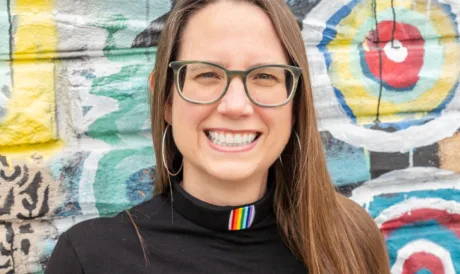
And that was the answer provided by Councilor Jenny Selin and Mayor Danielle Trumble – the Board of Parks and Recreation’s longest-serving members – when the question was raised during a council conversation on fiscal sustainability.
The enabling legislation behind the city’s sales tax stipulates that the revenues generated will be split evenly into four pots – BOPARC, police and fire pension obligations, capital improvement projects and the city’s general fund.
The tax, which took effect July 1, 2020, is expected to generate $10.7 million in the upcoming fiscal year, according to budget documents.
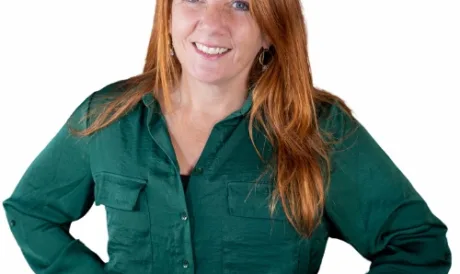
“I’m just not a big fan of set allocations, period,” Councilor Mark Downs said, initiating the discussion. “I think they limit organizational flexibility to manage evolving needs … Things are dynamic. Fiscal conditions change. Service demands and community priorities evolve.”
While the discussion wasn’t specifically pitched as an effort to limit the amount of funding going to BOPARC, that’s clearly how it was received by both Selin and Trumble, both of whom were BOPARC members in 2019, when former Executive Director Melissa Wiles stood before a previous council and delivered a stark assessment of the city’s park system based on aging amenities, limited staff and years of deferred maintenance.
Those issues have been largely addressed in recent years due to the influx of sales tax revenue.
Deputy Mayor Brian Butcher reasoned, “It’s not like we’re all of a sudden saying BOPARC is getting less money. I mean, that’s not an immediate thing that happens by saying this allocation is not going …”
“No,” Selin jumped in. “It’s an immediate thing that happens.”
“I am not thrilled with this conversation as we’re talking about BOPARC taking on the Flegal Reservoir recreation area, and lower Greenmont park/greenspace recreation area, and possibly Suncrest Primary recreation area,” Trumble added. “We are pushing more and more and now we’re like, ‘No, we’re already giving them too much money.’”
Trumble continued.
“We all want to talk about ‘we need more public restrooms.’ BOPARC is providing those things. BOPARC is building restrooms in Marilla Park. BOPARC is building restrooms in Krepps Park. BOPARC is doing that and stepping up to the plate for the things that people are asking for, and I will never vote to take money away from them,” she said.
“Is it a vote to take money away from them or to free that up?” Butcher asked, reiterating the point that eliminating the set allocations in code doesn’t automatically equal a reduced cut to BOPARC.
“It doesn’t free it up. It takes it away. Freeing up is a euphemism for taking away,” Selin said, later adding, “This was a long time coming, and very hard fought, and very much a council initiative to make it like this. This is a different council, and you can all talk about it and think about it. But I would leave it alone, because it’s only four years old. Let it come to fruition, and if you would like to change it in another four or five years, have at it.”
Councilor Jodi Hollingshead said there must be considerations beyond BOPARC as the city faces mounting fiscal constraints.
“If we weren’t in the financial position we’re in, I would agree. But again, our levers are limited, and I just want to advocate for the flexibility. I don’t see it as immediately taking money away from BOPARC. I see it as having discretion,” Hollingshead said.
“You watch,” Selin responded.
Butcher noted BOPARC’s $14.3 million budget in the current fiscal year and asked if the agency was in a bad financial position.
Selin responded that BOPARC is currently in a good financial position.
“But the city is not in a good financial position,” Hollingshead said.