
Trailblazers on the Mat: Girls’ wrestling earns sanctioned status in West Virginia
Trending
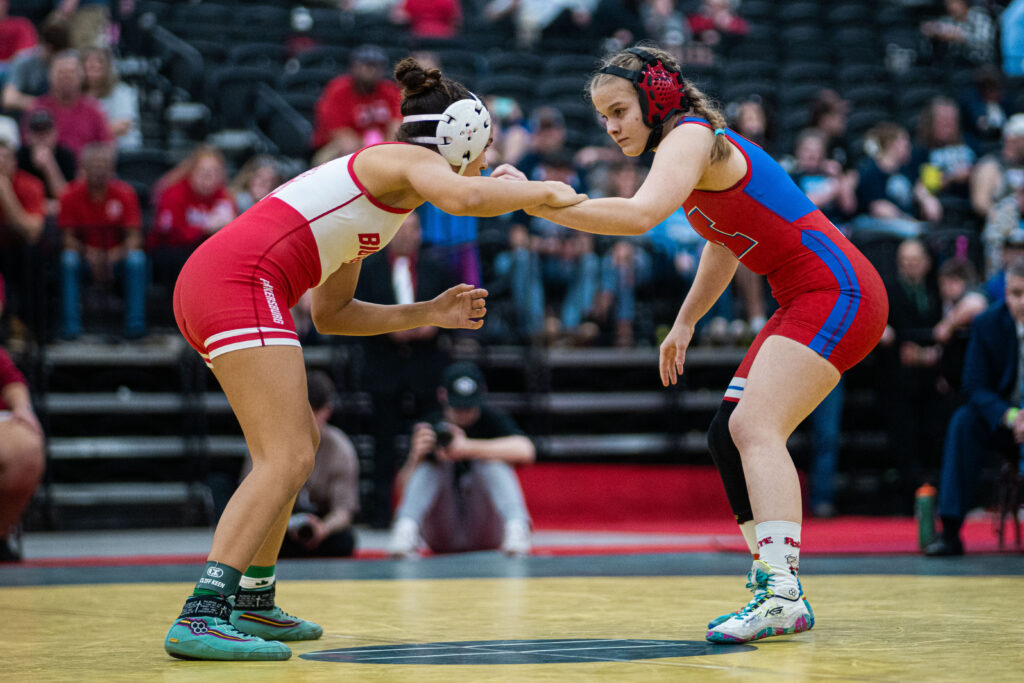
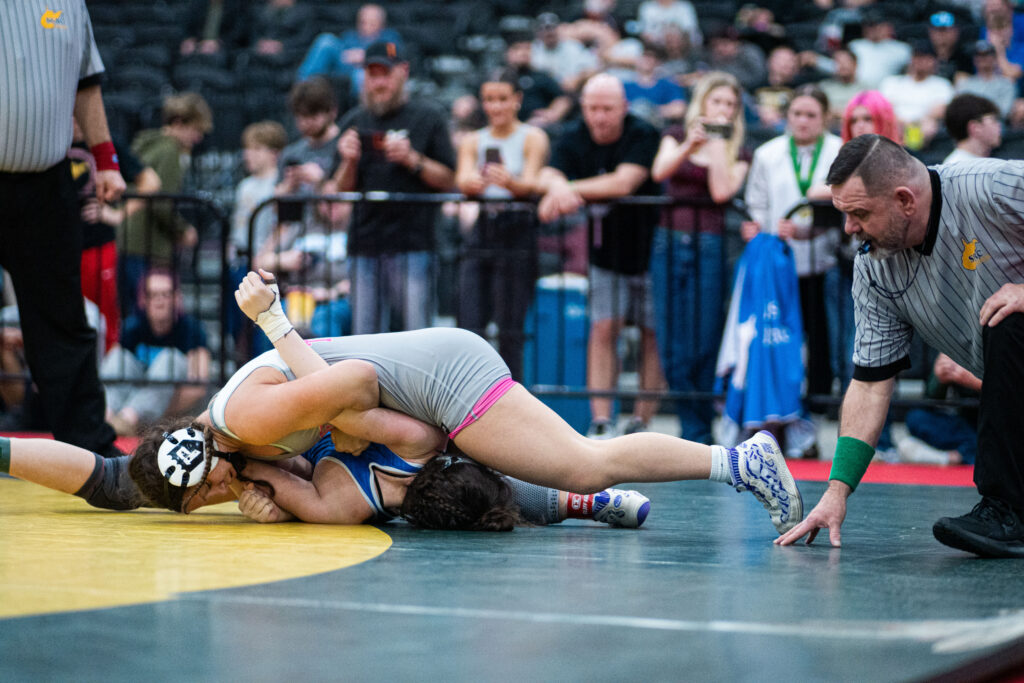
HUNTINGTON -- Inside the Marshall Health Network Arena in Huntington last weekend, history quietly unfolded on the wrestling mats. In just six hours, the West Virginia Girls State Invitational Championships ran from match to match with relentless pace -- no extended breaks, no drawn-out delays. Just wrestlers stepping onto the mat and battling for position, pride and history.
Beginning with the 2026-27 school year, girls' wrestling will officially become a sanctioned sport in the state after the West Virginia Secondary School Activities Commission (WVSSAC) Board of Directors voted to approve the move earlier this year. The decision establishes a dedicated state championship and regional qualifying format for girls' programs across the state, further solidifying the explosive growth of the sport.
Girls' wrestling has rapidly expanded in recent years, growing from just 142 participants statewide in 2023 to more than 300 athletes this season representing 86 schools and 27 full teams. What was once a sport where girls often competed on boys' teams is quickly evolving into one with its own identity, programs and champions.
And in many ways, the athletes who competed last weekend showed they were more than ready for the spotlight.


The intensity on the mat mirrored what fans see every end of the season during the traditional boys' state meet.
The difference? The girls' tournament was completed in a single morning/afternoon, while the boys competed from Thursday evening through Saturday. Yet the passion, grit and determination were unmistakably the same.
For many wrestlers, the moment represented something bigger than a plaque.
"It feels awesome," said Preston High School sophomore Ava Turner, a two-time state champion who captured the 138-pound title. "It feels incredibly awesome that I know there's females below me and in my mat club, the younger girls from my high school, that have the opportunity to wrestle against girls and participate in a sanctioned sport because all of these girls are paving the way now. It's a great honor to help the younger girls.

"I'd like for women's wrestling to be more than just girls wrestling. I want people to look at us and not just be like, 'Oh, she's a girl wrestler.' I want people to look at us and say, 'She's a wrestler.'"
Across north central West Virginia, athletes from Monongalia and Preston counties represented the region well at the state invitational.
Morgantown High School sophomore Maddie Mazzoni finished as the runner-up at 126 pounds, while teammate Zoe Wolford placed fifth at 114 pounds and Nevaeh Feeley-Mack placed fifth at 145 pounds.




Preston High's Lilly Shafer added a fifth-place finish at 126 pounds to accompany Turner's championship performance.
For University High junior Shane Friend, simply competing on wrestling's biggest stage represented progress years in the making.
"I've been in the sport for about three years, and I feel like I haven't really been included until now," Friend said. "It's unfortunate that girls are just now being recognized in the sport even though they've been part of it for so long. But I'm glad we're able to grow not only as a sport but as a community too. Now more people are supporting us and wanting to be there for us."
For wrestlers, the sport has always demanded sacrifice -- regardless of gender.
Long winter seasons filled with early morning weigh-ins, grueling practices, strict discipline and constant mental focus define wrestling culture. The sport tests athletes both physically and mentally, requiring them to balance schoolwork, competition schedules and strict weight management while most others enjoy holiday meals and winter breaks.
Yet the reward has always been the same: stepping onto the mat and proving yourself.
And for the girls who competed last weekend, that opportunity now carries even greater significance.
With girls wrestling becoming an officially sanctioned sport next season, the athletes competing today are laying the foundation for those who will follow. Their names will soon appear in official state record books, on school plaques and in championship brackets -- markers of a sport that is no longer emerging, but firmly established.
For the wrestlers who helped bring the sport to this moment, the message is simple: They aren't just girls wrestling. They're just wrestlers.