
Trending
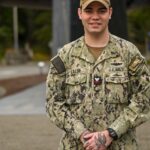
BANGOR, Wash. -- A Morgantown native is stationed at Naval Base Kitsap (NBK), homeport to west coast ballistic-missile and guided-missile submarines.
Petty Officer 2nd Class Michael Liller joined the Navy to follow family tradition. He serves as a logistics specialist.
"I have a deep military family tradition, eighth generation, and I knew the military could give me a good start to my life," said Liller.
Liller attended University High School and graduated in 2016. Liller uses skills and values similar to those found in Morgantown to succeed in the Navy.
"Where I grew up is a very family type place, and I have carried over that sense of family to the submarine force," said Liller. "It is very important to have that family orientation."
These lessons have helped Liller while serving with Commander Submarine Group 9.
Known as America's "Apex Predators!," the Navy's submarine force operates a large fleet of technically advanced vessels. These submarines are capable of conducting rapid defensive and offensive operations around the world, in furtherance of U.S. national security.
There are three basic types of submarines: fast-attack submarines (SSN), ballistic-missile submarines (SSBN) and guided-missile submarines (SSGN).
Fast-attack submarines are designed to hunt down and destroy enemy submarines and surface ships; strike targets ashore with cruise missiles; carry and deliver Navy SEALs; conduct intelligence, surveillance, and reconnaissance missions; and engage in mine warfare. The Virginia-class SSN is the most advanced submarine in the world today. It combines stealth and payload capability to meet Combatant Commanders' demands in this era of strategic competition.
The Navy's ballistic-missile submarines, often referred to as "boomers," serve as a strategic deterrent by providing an undetectable platform for submarine-launched ballistic missiles. SSBNs are designed specifically for stealth, extended patrols and the precise delivery of missiles. The Columbia-class SSBN will be the largest, most capable and most advanced submarine produced by the U.S.
Guided-missile submarines provide the Navy with unprecedented strike and special operation mission capabilities from a stealthy, clandestine platform. Each SSGN is capable of carrying 154 Tomahawk cruise missiles, plus a complement of heavyweight torpedoes to be fired through four torpedo tubes.
As a member of the submarine force, Liller is part of a rich 122-year history of the U.S. Navy's most versatile weapons platform, capable of taking the fight to the enemy in the defense of America and its allies.
Serving in the Navy means Liller is part of a team taking on new importance in America's focus on rebuilding military readiness, strengthening alliances and reforming business practices in support of the National Defense Strategy.
"Getting into Commander Submarine Group 9 is difficult to achieve, so as a logistics specialist, I feel very fortunate and proud to have been chosen to work here," said Liller.
As Liller and other sailors continue to train and perform the missions they are tasked with, they take pride in serving their country in the United States Navy.
"It means the world to me to serve in the Navy, especially in times like this, and doing my part is super rewarding," said Liller. "There's a lot of pride especially in the submarine group. I feel we are the one percent of the 1% that serve."