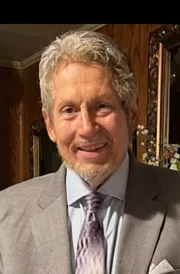
MORGANTOWN – Erin Shelton, the founder of Project Rainbow and director of Rainbow House – a local shelter prioritizing LGBTQ individuals experiencing homelessness – said Project Rainbow welcomes discussion regarding safety and accountability in homeless services.
That said, she also believes there is a political motivation behind some of the activities that have been reported involving the shelter in recent weeks.
The Dominion Post reached out to Shelton ahead of Thursday’s report on the introduction of House Bill 4403 – the West Virginia Homeless Shelter Oversight & Safety Act – currently pending before the House Health and Human Resources Committee.
The bill aims to bring “uniform oversight, registration, and enforcement standards” to West Virginia’s homeless shelters.
On Wednesday, Monongalia County Commission President Tom Bloom indicated the introduction of the bill was, at least in part, a result of concerns he expressed individually – initially to the West Virginia Coalition to End Homelessness and later to the West Virginia Attorney General’s Office – regarding Rainbow House.
In particular, Bloom pointed to the reported 488 calls to MECCA 911 regarding the facility between December 10, 2024 and December 10, 2025 as cause for concern.
Shelton explained that number, without context, creates a misleading impression.
As indicated in Thursday’s report, 380 of those calls were defined as “area patrols” (227) and “security checks” (153).
“Records from a recent FOIA request show that this figure includes a large number of ‘area patrol’ and ‘security check’ entries, which are often officer-initiated and not the result of a 911 call placed by shelter staff, guests, or community members,” Shelton explained, adding, “It is my belief that many of these additional patrols are initiated in response to political pressure, and they do not accurately reflect safety conditions within the shelter.”
When emergency services are requested, the call is frequently in response to medical emergencies as Rainbow House serves people with acute medical and mental health needs, according to Shelton.
Outside of the two reasons listed above, the MECCA report indicates the most common descriptions for emergency calls from the facility include: General illness (20), psychiatric emergency (9), breathing problem (8), seizure (7), mental case (7) and welfare check (6).
While the MECCA data doesn’t indicate a large number of calls requiring police response, there are some — 25 or so with various descriptions including “unknown problem” (3); “warrant service” (3); “talk with officer” (2); “threats” (2); and others.
According to court records, Shelton was charged and subsequently pleaded not guilty to one misdemeanor count of obstructing law enforcement responding to a domestic dispute on Dec. 9.
In response to claims the state attorney general’s office visited the site following concerns expressed by Bloom, Shelton said the AG did not conduct a formal inspection or walkthrough, and there has been no finding that the shelter is operating unsafely or outside best practices.
“Rainbow House already operates under robust oversight through the West Virginia Coalition to End Homelessness, which administers state shelter funding and requires compliance with nationally recognized best practices, regular monitoring, reporting and performance standards,” Shelton said. “Our continued funding is contingent on meeting those expectations.”
In terms of HB 4403, she said Project Rainbow welcomes “thoughtful, good faith conversations.”
“Any legislation in this area should be developed in partnership with providers, people with lived experience of homelessness, and the existing statewide systems already performing oversight,” Shelton said. “Policies driven by stigma or political pressure, rather than evidence and collaboration, risk harming the very people shelters exist to serve.”