Stitching Community Together: Sierra Club WV Launches Quilting for Community Project
Trending
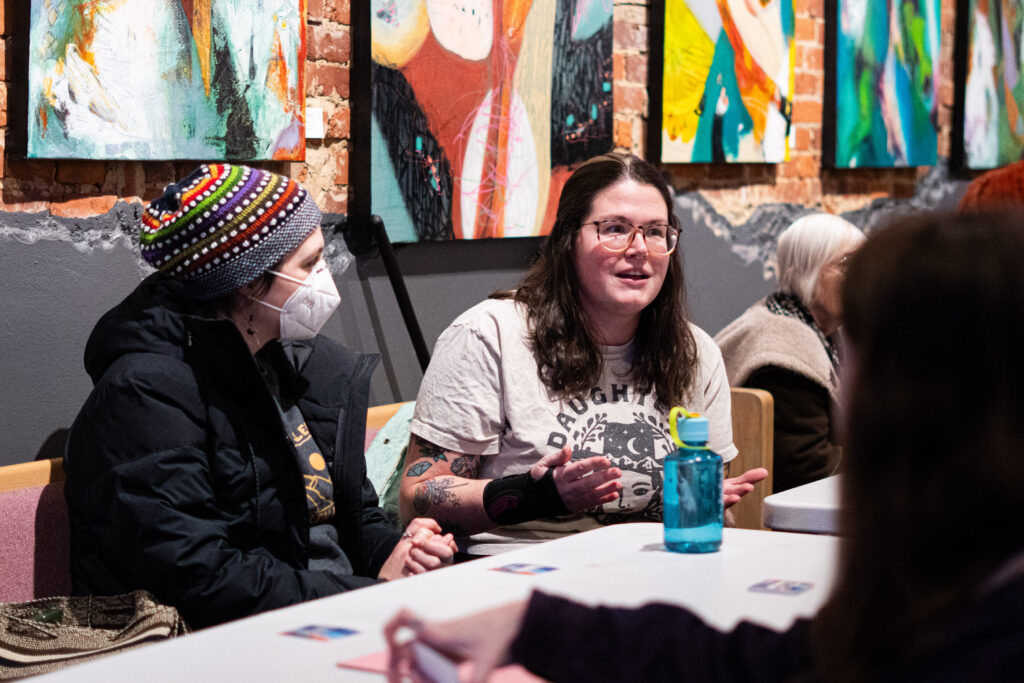
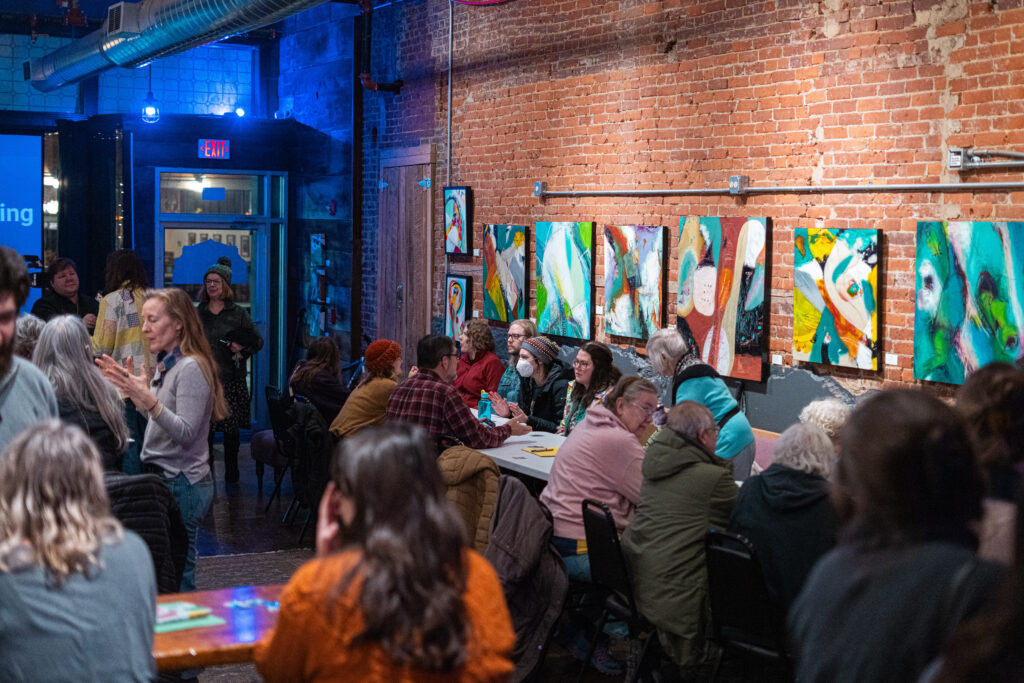
MORGANTOWN -- On a chilly Wednesday evening, warmth filled The Co-Op on Pleasant Street -- not just from the hum of conversation, but from a shared purpose stitched together through fabric, art and community.
Sierra Club West Virginia hosted the launch of its new "Quilting for Community" art and educational project on Wednesday, Jan. 7, inviting residents of all backgrounds to gather, connect and imagine new ways to confront climate change through one of Appalachia's most storied folk traditions.
The event, organized in collaboration with local artist and quilter CJ Helenski of CJ Sews, marked the first of several biweekly gatherings planned throughout January and February. While needles and thread will come later, the inaugural evening focused on something just as essential as sewing: bringing people together.

"Quilting brings people together in community, not only to sew, but to chat, share life and ambitions, and plan events in kinship," organizers shared. That spirit was evident as attendees filled the space, talking in small circles about creativity, climate action and what it means to find joy in collective work during uncertain times.
For Helenski, the project merges personal passion with a deeper call to community engagement.
"I'm feeling really excited because sewing and quilting is my personal special interest," Helenski said. "But just to bring others out, to have conversations about what we can do to find joy during this dark time in the world -- and find joy when climate action seems like this impossible task to tackle -- that's really meaningful."
Helenski said she hopes the gatherings will spark connections that go beyond screens and social media.
"I want to connect with people here in town and do things together that actually make a difference," she said. "I'm really excited to learn from other people, find out what their interests are, what they're going to find joy actually doing, and hopefully have more opportunities to spend time doing things with others."
The idea for "Quilting for Community" grew from the historic role quilting circles once played in Appalachian life, according to Lisa Di Bartolomeo, Beyond Coal Campaign organizer for the Sierra Club's West Virginia chapter.
"My original inspiration was the tradition of a quilting circle, where people came together in the dead of winter to quilt but also to share community," Di Bartolomeo said. "I wanted to build on that idea, and reached out to my friend CJ, who is the actual artist here, and the project exactly coincided with something she'd been wanting to do for a while."
From there, partnerships fell into place with local venues, including The Co-Op and The Retail Lab, turning a simple idea into a communitywide effort.
"We're incredibly lucky to have so many folks dedicated to this community, and willing to offer their time, space, talent and resources," Di Bartolomeo said.
While future sessions will involve cutting, sewing and assembling the quilt, organizers emphasized that no prior experience is required -- or even expected.
"The first event is really about bringing people together to think about ways they can make a difference," Di Bartolomeo said. "We won't start sewing until the following session, so if you're worried that you don't know how to sew, never fear. I can't sew at all."

Instead, participants are encouraged to reflect on how their own talents -- whether artistic, musical, written or organizational -- can play a role in environmental advocacy.
"Whatever your talent is, you have something to bring to the table," Di Bartolomeo said. "We hope to provide the starting point for more conversations and more activity and activism."
Over the coming weeks, the group will work together to construct a quilt that represents collective care for the land and for one another. The finished piece will be shared publicly, with hopes of displaying it for Earth Day and at venues across the state, including libraries. Organizers also plan to present the project at the Appalachian Studies Association conference in March, with the long-term goal of inspiring similar efforts in other West Virginia communities.
The project reflects the broader mission of the Sierra Club, the nation's largest grassroots environmental organization, which works to protect clean air and water, promote clean energy, preserve wild places and empower communities through education and advocacy.
As conversations wound down and the evening came to a close, the sense of momentum lingered -- a reminder that climate action does not always begin with protest signs or policy papers, but sometimes with fabric laid out on a table and neighbors willing to sit together.
In Morgantown, "Quilting for Community" is proving that even in the heart of winter, connection, creativity and hope can still be stitched into something lasting.
For more information about Sierra Club West Virginia, visit wvsierraclub.org.