
Let nature take its course: Avian Center reminds public to leave found wildlife alone
Trending
MORGANTOWN -- As summer spreads across West Virginia, the Avian Conservation Center of Appalachia is reminding people that sometimes the best way to help wildlife thrive is to simply leave it alone -- especially when it comes to baby birds.
"This is our busiest season because well-meaning people keep bringing us baby birds that are not actually hurt," ACCA Executive Director Katie Fallon said. "They are fledglings -- they are supposed to be hopping around on the ground. Their parents are still feeding them and teaching them how to be wild birds."
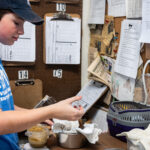
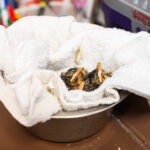
The nonprofit, based near Cheat Lake, rehabilitates hundreds of sick, injured or displaced wild birds each year. But during the summer, many of the little patients do not need rescuing at all.
"A lot of people do not realize that if a baby bird has feathers and is hopping around, it is just learning to fly," Fallon explained. "It is the natural process. The best parents for baby birds are their own parents -- not humans."
If you find an uninjured baby bird in your yard, experts say to leave it be and keep pets indoors or on leashes if possible.
"Cats especially pose a big threat," Fallon said. "Even if they do not kill the bird outright, bacteria in a cat's mouth can be fatal."
If you spot a featherless chick on the ground after a storm, it is fine to gently place it back in its nest.
"That old myth that touching a baby bird will make its parents reject it is just that -- a myth," Fallon said. "They will take it right back."
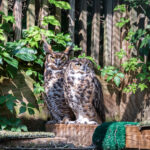
In addition to wildlife rehabilitation, the ACCA is dedicated to teaching the public how to protect native birds. The center's outdoor classroom houses non-releasable birds of prey, which includes hawks, owls, and even eagles -- serving awareness for education and conservation.
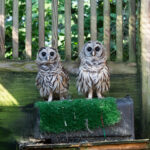
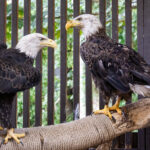
"Every Friday afternoon this summer, people can visit our outdoor classroom from 1-6 p.m.," Fallon said. "It's a wonderful chance to see these incredible birds up close, learn about their stories, and find out how to make backyards more bird-friendly."
Fallon recommends planting native flowers and shrubs like serviceberry, viburnum, dogwoods, and milkweed to attract insects that many songbirds rely on to feed their babies. Shallow bird baths with gently moving water are another good way to draw in little visitors.
"A lot of people think bird feeders are enough, but native plants and water make an even bigger difference in summer when birds are raising families," Fallon said.
For those hoping to spot less-common local species -- like the cerulean warbler or the scarlet tanager -- Fallon suggests planning birdwatching trips during spring or fall migration. But in summer, baby birds coming into the world is just as rewarding.
"If you do find a truly injured bird, give us a call," Fallon said. "But for healthy babies, the best thing you can do is to let nature do its job."