
Area of influence: Friends of the Art Museum of WVU get Blanche Lazzell-inspired tour of Mon County
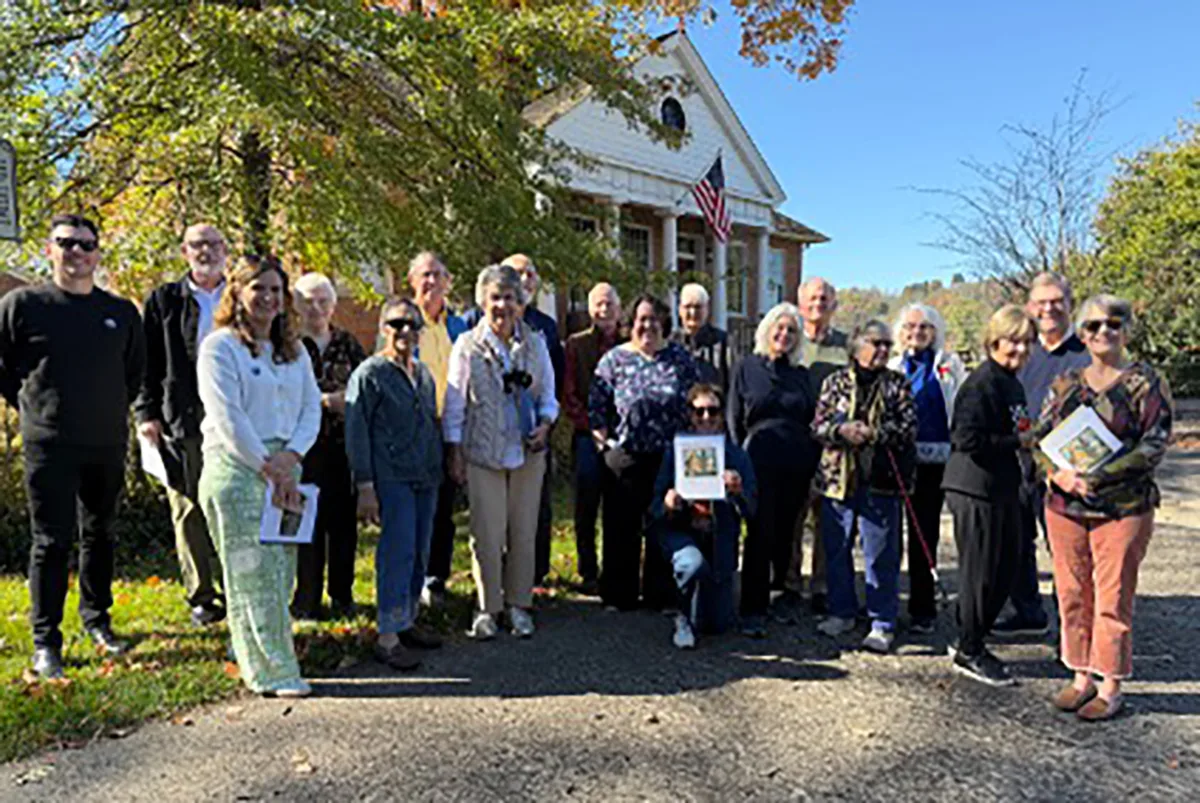
Courtesy of WVU Creative Arts & Media Friends of the Art Museum of WVU and museum staff take a tour of locations significant to Blanche Lazzell.
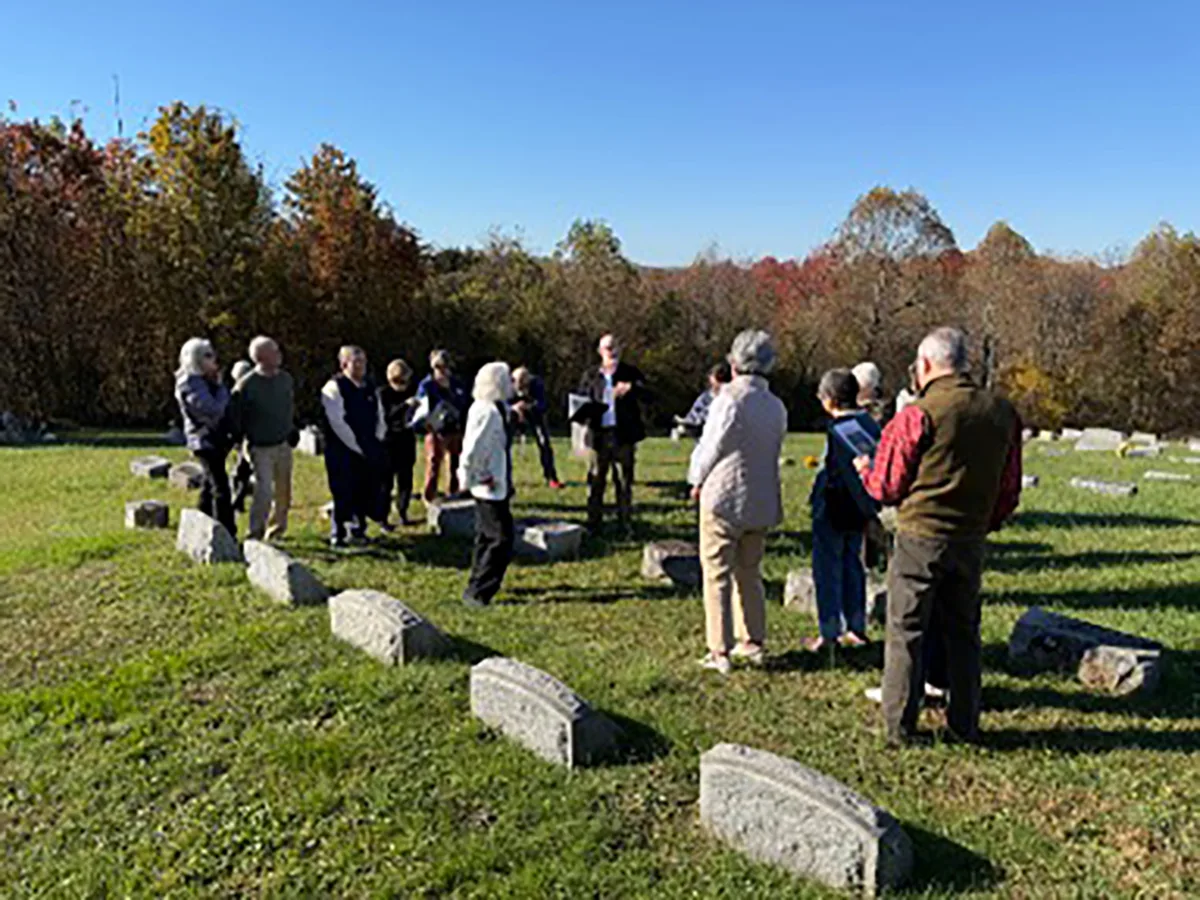
Courtesy of WVU Creative Arts & Media Friends of the Art Museum of WVU and museum staff tour Bethel Cemetery.
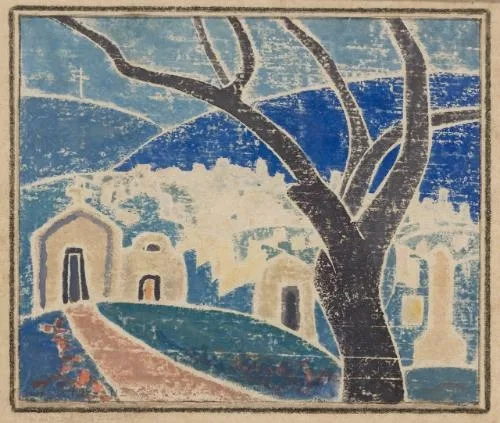
"The Graveyard" by Blanche Lazzell
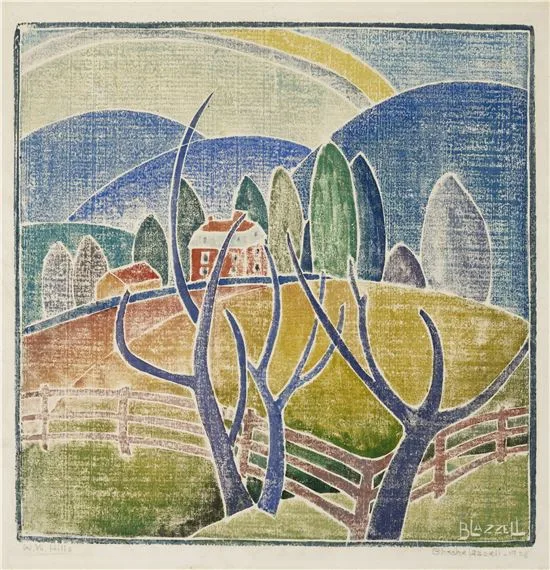
"West Virginia Hills" by Blanche Lazzell
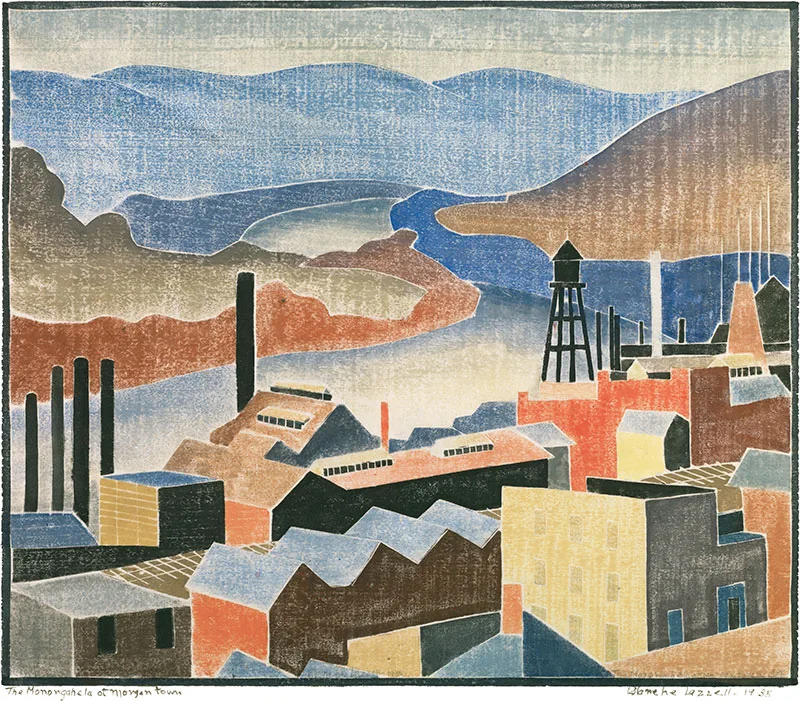
"The Monongahela at Morgantown" by Blanche Lazzell
Courtesy of WVU Creative Arts & Media Friends of the Art Museum of WVU and museum staff take a tour of locations significant to Blanche Lazzell.
Courtesy of WVU Creative Arts & Media Friends of the Art Museum of WVU and museum staff tour Bethel Cemetery.
"The Graveyard" by Blanche Lazzell
"West Virginia Hills" by Blanche Lazzell
"The Monongahela at Morgantown" by Blanche Lazzell
Trending
Friends of the Art Museum of WVU recently took a Blanche Lazzell-inspired tour of Monongalia County, visiting locations significant to the West Virginia artist whose work is on display in the Art Museum through Dec. 13.
"The tour was a unique opportunity to connect with Lazzell's work beyond the gallery, and really understand the places that influenced her art," said Maggie Retton, the museum's membership coordinator. "And it’s a great example of what Friends of the Art Museum events and programs offer to current and potential members."
Friends of the Art Museum make annual contributions to support the museum’s efforts to bring internationally renowned artists to campus and provide community engagement opportunities for all ages at no cost to the public. In exchange, the Friends get to meet artists, curators and collectors; have inside access to private collections and artists' studios; and enjoy exclusive events like the artist-inspired tour of Monongalia County and travel opportunities like the trip to Boston and Provincetown during the fall of 2025.
"Blanche Lazzell: Becoming an American Modernist" was the Art Museum of WVU's first traveling exhibition and after two years on the road, it returned home for fall 2026. Once settled back in Morgantown, the exhibition was expanded to include additional selections from her studies and early career, including works she created while a student at WVU.
After graduating with a fine arts degree from WVU in 1905, Lazzell continued her education in New York and Paris. She later moved to Provincetown, Massachusetts, where she co-founded the Provincetown Printers, an artist cohort of women printmakers known for using the woodcut method.
Lazzell died in 1956, and in the decades since, her work has continued to gain recognition and be acquired by numerous institutions. The Art Museum of WVU collection, which includes donated works from the Lazzell family, is now one of the largest in the world.
Friends of the Art Museum of WVU were treated to a guided tour of Monongalia County by Senior Curator Robert Bridges, taking them to places that were special to Lazzell or featured in her artwork.
"I think it's important for people to realize that even though she had a professional home in Provincetown, she still considered West Virginia her home, and she felt that her upbringing in this state was instrumental to her success as an artist," said Bridges.
The bus tour took Friends out to Maidsville, where Lazzell was born Oct. 10, 1878. There, they visited the Bethel Cemetery, depicted in "The Graveyard" (1918), and the homestead nestled in the rolling hills where Lazzell grew up, featured in "Untitled" (1914) and "West Virginia Hills" (1919). One of Lazzell's relatives met the group at the cemetery and shared stories about Lazzell's life and her relationship with her family. The Friends of the Art Museum were also given a tour of Lazzell's childhood home.
Upon returning to Morgantown, the group toured more locations featured in Lazzell's art, including the Monongahela River, which Lazzell captured from different vantage points in "The Monongahela at Morgantown" (1934) and "The Monongahela" (1919); the Monongalia County Courthouse, where Lazzell was commissioned to create the mural "Untitled (Justice)" (1934); the historic Waitman T. Willey House, portrayed in a 1934 woodblock print by the same name; the Greenmont neighborhood, illustrated in "Greenmont" (1934); and the West Virginia Coal Works, which Lazzell printed in bright colors in a 1949 piece by the same name.
The tour also made stops at several notable WVU locations, including the Downtown Campus ("Campus, W.Va., University" 1934-35) and the WVU Farmhouse ("West Virginia University Farmhouse" 1950).
"It is very interesting to hold up a reproduction of her print of the WVU campus and look at what has changed and what remains 90 years after the art was created," Bridges said. "I've spent so much time studying these locations and reading her accounts of Morgantown and West Virginia, but I did not realize how the research aspect of her career would excite people so much."
Carolyn Light, who has been a Friend of the Art Museum of WVU for over a decade, loved learning more about each of the sites and hearing the stories behind why Lazzell painted them. She particularly enjoyed the chance to see the Willey house and compare it to the woodblock print, getting a clearer understanding of how Lazzell showed perspective and space.
"Seeing the views of these particular places and having the paintings in our reference materials truly gave us an appreciation for her artistic vision," said Light.
Light became a Friend shortly after the Museum first opened, and she loves that her membership gives her the opportunity to connect with others who share similar interests in art and culture.
"Since I was a child, I have been interested in art museums," said Light. "On my 10th birthday, my mother took me to the Metropolitan Museum of Art, and I believe that planted a seed for the love of art and its process."
Light is a retired high school Art teacher. Throughout her career, she took students to The Andy Warhol Museum, Mattress Factory, Carnegie Museum of Art, the National Portrait Gallery, the Smithsonian--and the Art Museum of WVU.
"The WVU Art Museum is such a jewel," said Light. "It's accessible to all West Virginians, and it offers so many educational programs, which are extremely valuable to the public and especially to young, aspiring artists.
"As a Friend, I feel more invested in the Art Museum of WVU and its place in our community, state and region."
Friends of the Art Museum is the largest donor network for the Art Museum of WVU. There are multiple tiers to fit sponsors' desired level of support, with yearly memberships as low as $100 for individuals. To learn more about the Art Museum of WVU and see the Friends membership tiers, visit artmuseum.wvu.edu.