
Three decades after the hate: How to rebuild trust, dialogue in the hurtful echoes of Rwandan genocide
Trending
FAIRMONT - There's no debate.
The 1994 Rwandan genocide ... was just that.
More than 800,000 Tutsis and moderate Hutus were killed in the 100 days of the mass event.
Bullets.
Grenades.
Clubs.
Machetes.
The above implements of death were wielded by everyone from officials to private citizens in the African nation suddenly under existential siege.
How does a country and its people - its young people, in particular - move on from the trauma?
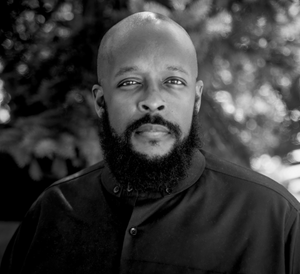
That's the subject of a talk at Fairmont State University by entrepreneur and activist Jean Michel Habineza, who was 6 years old during those days when his home country began its epic unravel.
He'll present "After Hate: What Rwanda Teaches Us About Memory, Division and Renewal" at 6 p.m. this coming Tuesday in Wallman Hall Theater.
"Jean Michel brings a deeply personal perspective," Fairmont State President Mike Davis said.
"His experiences remind us that meaningful dialogue is not about ignoring our differences of history," Davis continued.
"It's about having the courage to confront them," the president said.
And, he said, to talk them out - in a public forum.
Which is what he does as the founder and facilitator of iDebate Rwanda, an academic enrichment organization schooling secondary students in the country in the art of debate and discourse.
Arguing for the cause, as it were.
Every country is Rwanda, Habineza says, in that every country - the United States included - is prone to polarization and has to grapple with sometimes difficult histories.
His appearance is part of Fairmont State's Presidential Speaker Series.
Other speakers include former West Virginia governor and U.S. senator Joe Manchin, novelist John Milas and actor Sean Astin.
Visit Fairmont State on the web and social media to learn about the series.