
Trending
If you’ve been thinking about buying a home lately, you’ve probably had the same conversation many other buyers are having: “Should I buy now, or should I keep renting and wait for interest rates to come down?” It’s a fair question. Interest rates have a very real impact on affordability.
When rates are higher, the same house can come with a substantially higher monthly payment, and for buyers already stretching to make a purchase work, that matters. But here’s the part I think deserves more attention: renting has a monthly payment, too. So the question isn’t simply whether it is cheaper to rent or buy. It’s about what makes the most sense for you right now.
Here in Morgantown, that answer can look very different from one person to the next. Our market includes first-time buyers, young professionals, families, university employees, investors and people relocating to the area. We also have a wide range of housing, from apartments and townhomes to established neighborhoods and newer developments. There isn’t one rent-versus-buy calculation that works for everyone, and there certainly isn’t one answer for every stage of life.
The temptation to wait for lower interest rates is understandable. A buyer may think, “If I just wait, maybe rates will come down and my payment will be lower.” Maybe they will. But we don’t know when rates will change, how much they will change or what home prices and competition will look like when they do. If rates fall, more buyers may decide they’re ready to enter the market, potentially creating more competition. Rather than trying to predict the perfect moment, I encourage buyers to focus on something they can actually control: Can I comfortably afford this home today? If the answer is yes, and the home and location fit your plans, the current rate doesn’t necessarily have to keep you on the sidelines. If the payment would stretch your budget too far, continuing to rent while you strengthen your financial position may be the better choice. And if rates eventually come down, refinancing may be an option, depending on your circumstances and the costs involved. The important thing is not to buy a home you cannot afford today based on the hope that you can refinance tomorrow.
Renting isn’t “throwing money away.” You’re paying for a place to live, flexibility and, in many cases, having someone else responsible for major maintenance. For someone who expects to move soon, is building savings or simply isn’t ready for the responsibilities of homeownership, renting may be exactly the right choice. Buying comes with different benefits and responsibilities. Part of a mortgage payment generally builds equity, while the homeowner also takes on property taxes, insurance, maintenance and unexpected repairs. That’s why comparing only the rent payment to the mortgage payment doesn’t tell the whole story.
When I talk with buyers, I encourage them to think beyond the monthly payment. How long do you expect to stay? Do you have enough saved for the down payment and closing costs? Could you handle an unexpected repair? Is your financial situation stable? How important is flexibility to you? And what does your life realistically look like three to five years from now? Those questions can tell you much more than a mortgage-rate headline.
There is another consideration buyers sometimes overlook: what happens when you eventually sell the home. Under current federal tax rules, if the home has been your primary residence for at least two of the five years before you sell it, you may be able to exclude some of the profit from your taxable income. The exclusion can be up to $250,000 for an individual or up to $500,000 for a qualifying married couple filing jointly, assuming the other IRS requirements are met. In simple terms, if you buy a home, live in it as your primary residence for at least two years and later sell it for more than you paid, you may be able to avoid federal capital-gains tax on some or all of that profit. There are exceptions and additional rules, so this is one area where it makes sense to talk with a tax professional about your individual situation.
That doesn’t mean you should stay in a home you no longer need simply to reach the two-year mark. Life happens. Jobs change, families grow, circumstances shift and sometimes a move makes sense sooner. But it is another reason to think beyond the immediate future when considering whether buying is right for you. If you already know you’ll probably move in a year, renting may provide the flexibility you need. If you expect to put down roots in Morgantown for several years, homeownership may be worth considering as part of a longer-term financial picture.
One of the questions I like to ask is simple: “How long do you think you’ll be here?” Sometimes, the answer tells us more than the interest rate does.
The advantage of owning real estate is that your circumstances don’t have to remain frozen in time. You may buy a home today because it fits your life and budget, and your financial picture may look completely different several years from now. Likewise, you may rent today while you save, pay down debt or decide where you want to put down roots. Neither decision has to be permanent.
As a Realtor, I wish I could give everyone a simple answer about whether they should buy or rent. I can’t, and honestly, I don’t think anyone should. The Morgantown market will change. Interest rates will change. Your circumstances will change. The goal isn’t to predict the perfect moment to buy. It’s to understand the numbers well enough to make a decision you can live with comfortably.
If you’re considering buying, talk with a lender about what you can actually afford. Compare the true cost of renting with the true cost of owning. Look at different Morgantown neighborhoods and types of housing. Consider how long you realistically expect to stay. And if taxes are part of your decision, talk with a qualified tax professional. Then make the decision based on your life, not someone else’s timeline.
Real estate isn’t really about finding the perfect interest rate. It’s about finding the right combination of home, timing and financial comfort for where you are today. Sometimes that means buying. Sometimes it means renting a little longer. And sometimes, the best first step is simply sitting down with the numbers and asking: “What actually makes sense for me?”
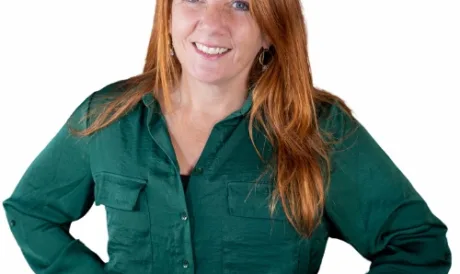
Jenn Hagerty, a residential Realtor, is the 2026 president of the Morgantown Board of Realtors.