
Built by students: WVSDT opens new CTE facility at Pruntytown
Trending
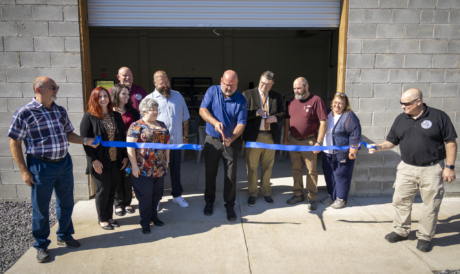
GRAFTON -- After four years of construction, nearly 27,000 hours of work and approximately 17,000 concrete blocks laid, a new Career and Technical Education (CTE) facility at Pruntytown Correctional Center is now open, providing expanded opportunities for students to gain hands-on skills and prepare for careers after incarceration.
The approximately 6,000-square-foot facility houses automotive and building construction CTE programs and was constructed primarily by students at Pruntytown under the guidance of West Virginia Schools of Diversion and Transition instructors.
The project represents a significant investment in career preparation and collaboration between the West Virginia Division of Corrections and Rehabilitation and the West Virginia Department of Education.
"This project is something we are extremely proud of," said Jacob Green, superintendent of WVSDT. "Keeping a consistent workforce here was certainly a challenge. Students leave, return home or transfer during the construction process, so maintaining that workforce over four years was not easy. But it is exciting work, and we are very proud of all the students, teachers and staff who had a hand in making this facility a reality."
The facility was constructed at a fraction of the estimated cost of a project of similar size. A project of this scope could have cost an estimated $2 million to $3 million nationally, while the Pruntytown facility was completed for just over $315,000 -- an estimated savings of approximately 87%.
The building was constructed on a foundation requiring approximately 2,500 cubic yards of concrete and nearly 17,000 blocks. Ninety-one students contributed to the project, with only one student on the construction team having prior experience laying block.
David Freeman, a WVSDT building construction CTE instructor and longtime commercial construction professional, played a significant role in overseeing the project. Freeman spent 20 years working in commercial construction before becoming an educator and said he approaches teaching much like he approached working with crews in the field.
"I really try as close as I can to treat the students just as I treated the men that I worked with in the field," Freeman said. "Every student that comes to me, they want to be here, and they want to learn, and that makes the teaching a pretty easy atmosphere."
With the exception of a crane used to place trusses and a truck used to deliver concrete, Freeman and the students completed the construction work themselves, navigating the unique challenges of completing a large-scale construction project inside a correctional facility.
The building construction program will provide hands-on instruction in areas including masonry, plumbing, framing, finish carpentry, roofing and commercial and residential construction.
The automotive program will provide additional opportunities for students to develop technical skills that can translate into employment and industry-recognized credentials following release. WVSDT plans to pursue ASE certifications for students in the automotive program and continue expanding partnerships with the skilled trades.
The facility is already meeting a significant need. Approximately 360 individuals are currently housed at Pruntytown, with nearly 100 participating in CTE programs and more than 100 others on a waiting list.
Students who have a high school diploma, GED or are actively working toward their GED may participate in the programs.
The goal extends beyond learning a trade. WVSDT educators believe providing students with marketable skills, industry experience and pathways to employment can play an important role in successful reentry and reducing recidivism.
For Freeman, the project represents more than the completion of a building.
"I came here because I wanted to help people," Freeman said. "Now I get to show them how to help themselves and then go out and help other people."
The new facility demonstrates what can be accomplished when education, workforce development and hands-on learning come together. Most importantly, the building itself stands as a testament to the students who helped construct it and will now have the opportunity to use it to build a different future.