
Trending
Seeking a second medical opinion is sometimes interpreted as a sign that a patient does not trust their physician. It shouldn’t be. In fact, I believe second opinions are an important part of good medical care and something physicians should encourage when appropriate.
There are many reasons a patient may want another opinion. Perhaps not all their questions were answered during the first consultation. They may want additional information about their diagnosis or treatment options. They may want to compare different physicians, practices, facilities, or approaches before making an important decision. This is particularly reasonable when considering surgery or another significant treatment.
Medicine is rarely one-size-fits-all. Two qualified physicians may agree on the diagnosis but recommend different approaches. One may favor surgery while another believes observation or a less invasive treatment should be considered first. Even when both physicians ultimately make the same recommendation, hearing the information explained from another perspective can give a patient greater understanding and confidence in the decision.
A second opinion can be especially valuable when a patient is uncertain about a diagnosis, is facing a major procedure, has several treatment options, or develops a complication or unexpected problem. In these situations, another physician may provide a fresh perspective or identify an option that has not previously been considered.
There is also an important ethical responsibility on the physician providing the second opinion. That physician should approach the consultation objectively and independently. The purpose should not be to make the first physician appear wrong, criticize decisions without understanding the circumstances, disrupt an established physician-patient relationship, or persuade the patient to transfer care.
Instead, the second physician should explain the disease process, available treatment options, risks and benefits, and their own recommendations as transparently and objectively as possible. When recommendations differ, those differences can be explained respectfully. Different opinions do not necessarily mean that one physician is right and the other is wrong.
Second opinions also do not have to mean transferring care. With the patient’s permission, physicians can communicate directly, review records and findings together, and coordinate treatment. This is particularly valuable when managing a complication or a complex medical problem. Collaboration between physicians can provide additional expertise while maintaining continuity of care.
Patients should likewise feel comfortable telling their physicians that they are seeking another opinion and discussing what they learned. Full transparency among the patients and physicians involved creates an environment in which everyone can focus on the same objective: developing the best treatment plan for that individual patient.
Ultimately, good medicine should not be about competition between physicians or ownership of patients. It should be about collaboration, transparency, and putting the patient’s interests first.
Sometimes a second opinion changes the treatment plan. Sometimes it confirms the first one. And sometimes two physicians working together arrive at an even better solution. In each case, when the process is handled objectively and ethically, the patient benefits.
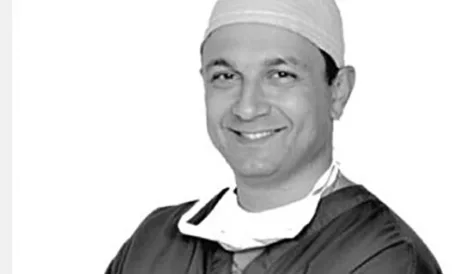
Ehab Akkary, MD, FACS, FAACS, MBA, is a fellowship-trained, triple board-certified cosmetic surgeon practicing in Morgantown, West Virginia. He is board certified in cosmetic surgery by the American Board of Cosmetic Surgery (ABCS), facial cosmetic surgery by the American Board of Facial Cosmetic Surgery (ABFCS), and general surgery by the American Board of Surgery (ABS). He is also a Fellow of the American College of Surgeons (ACS) and the American Academy of Cosmetic Surgery (AACS). Through this monthly column, he shares practical, evidence-based information to help readers make informed decisions about their health, surgery, and overall well-being. Learn more at www.YourDreamBody.com or contact him at eakkary@yourdreambody.com.