
Bloom pushes meeting for ‘large’ counties, hints at action on jail bills
Trending
MORGANTOWN - "It's not one size fits all."
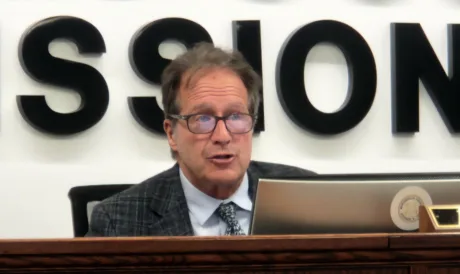
Monongalia County Commission President Tom Bloom said that when it comes to West Virginia's 55 counties, the needs and priorities of the state's largest counties are vastly different than those of its smallest.
Bloom recently reached out to the county commissions of the state's 12 most populous counties to gauge interest in coming together to discuss common concerns.
"They all responded within 24 hours," he said.
That meeting, to be conducted via Zoom, will be hosted by the West Virginia Association of Counties on Aug. 26.
"Commissioner Bloom and Commissioner [Ben] Solango here in Charleston – and others – have in recent years expressed their concerns that larger counties sometimes encounter unique situations that smaller counties do not. They have larger populations and more needs to meet," WVACO Executive Director Jonathan Adler said. "So, this meeting is just a gathering to explore some of those issues and see where we might find ways to meet their specific needs as opposed to others."
In addition to Adler and the county representation, Susan Martino, executive director of the County Commissioner's Association of West Virginia, will also be on the call.
The meeting is expected to include representatives from Kanawha, Berkeley, Monongalia, Cabell, Wood, Raleigh, Jefferson, Harrison, Mercer, Putnam, Marion and Ohio counties.
Just within that group, populations range from approximately 41,000 (Ohio) to more than 170,000 (Kanawha). It appears that 40,000 was the dividing line.
"It's become apparent when you have 55 counties and you only have 12 that are large, you may not get your issues heard," Bloom said. "It's a matter of priorities that our issues are often completely different from some of the smaller counties."
He continued.
"It has become apparent in the last several legislative sessions that instead of dealing with issues at the legislature, they are passing all the costs on to the county. So those counties that are strong economically are being hit harder because we're not getting the same amount in return."
Bloom pointed to funding for the state's roads as an example.
Asked if he's concerned smaller counties could view the collaboration as adversarial, Bloom said he's sure that some will.
"I'm sure no matter what we do, some counties are going to be concerned. But I think we're stronger when we're fighting for each other," he said. "But I also feel like that's been going on for years, but in the other direction. There are different perspectives. We can work together on many issues, but we also need to address some things that are specific to large population counties."
Adler said the meeting is in no way meant to discount West Virginia’s lesser populated counties, "who have unique problems all their own."
"I expect we will convene a meeting among them, too. I hope we can find answers that might benefit all counties and aid the state as a whole. We are fortunate to have smart, dedicated courthouse officials in all 55," Adler said.
One of the primary issues expected to be on the Aug. 26 agenda is the ever-increasing cost to counties to utilize the state's regional jails.
Monongalia County saw jail costs exceed budget expectations by more than $1 million in the previous fiscal year. That was before the base per diem rate charged to counties per inmate jumped from $57.46 to $75.44 on July 1.
The county is already predicting the $3 million it budgeted for jail costs the current fiscal year will fall well short.
Bloom conceded the jail bill is a concern that largely transcends population numbers and hinted that there may be some organization taking place on that front as well.
"I have been contacted by numerous counties that want to take some sort of action, whether it is all the counties only pay a small percentage of their jail bill, or, to the extreme, all 55 counties withhold their jail bills if the legislature doesn't take action."
According to Bloom, it's known that some counties already aren't paying, or are paying a percentage of their total bill.
"How is it fair that the other counties have to pay the bills and some counties don’t?"