
Trending
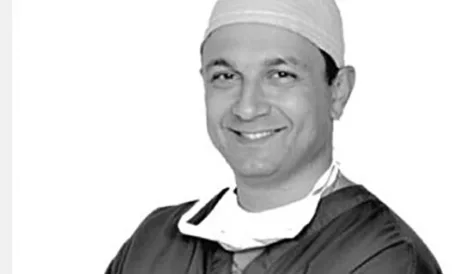
By Ehab Akkary, M.D.
One of the most important decisions a person may ever make is whether to undergo surgery. While surgery can dramatically improve health, function, appearance, and quality of life, the right decision is not simply whether to have an operation--it is whether you are truly ready to make an informed decision.
Not all surgery is the same. Emergency procedures, such as surgery for severe trauma or internal bleeding, often must be performed immediately because delaying treatment could threaten life or permanent function. Elective surgery is different. “Elective” does not mean unnecessary; it simply means there is usually time to think, ask questions, and make a well-informed decision. Some elective procedures are medically indicated, such as joint replacements, hernia repairs, or cataract surgery. Others, including cosmetic procedures, are performed primarily to improve appearance, confidence, or quality of life. Both can be entirely appropriate when performed for the right reasons and on the right patient.
What comes to mind when you hear the term informed consent? Most people picture a form that they sign shortly before surgery. Informed consent is much more than a document--it is a process, and one that unfolds over time.
Ideally, informed consent begins with your very first interaction with a healthcare practice and continues until the day of surgery. It includes conversations with your surgeon, discussions with the healthcare team, reviewing educational materials, exploring the practice’s website, researching reliable medical information, asking questions during one or even multiple office visits, and taking time to reflect on your options. It also means understanding why surgery is being recommended, what benefits can realistically be expected, what risks and possible complications exist, what alternatives are available, including choosing not to have surgery--and what recovery will require from you.
Never hesitate to ask questions. Good surgeons expect them and encourage them. If you leave your consultation with unanswered questions, schedule another visit or seek a second opinion. Researching more than one qualified surgeon can also help you better understand your options and feel confident that you have chosen the right physician for your care. Just as important, choose a practice where you feel comfortable, respected, and heard. You should feel confident that your questions are welcomed, your concerns are addressed, and that the surgeon and team will be accessible throughout your surgical journey--not just on the day of your procedure.
Being ready for surgery also means being mentally and physically prepared. Surgery should rarely be an impulsive decision or one driven by pressure from others, social media, or unrealistic expectations. Before surgery, understand how to optimize your health and prepare for recovery. After surgery, carefully following instructions, attending follow-up appointments, and allowing your body adequate time to heal are all essential to achieving the best possible outcome.
Perhaps the most reassuring sign of an excellent surgeon is the willingness to recommend against surgery when it is not in the patient’s best interest. Sometimes the best consultation ends with scheduling an operation. Other times, it ends with waiting, trying non-surgical treatment, or deciding that surgery simply is not the right answer.
The signature on a consent form should simply document a decision that has already been made through a thoughtful process--not to be the process itself. The best surgical outcomes begin long before the operating room, with education, honest conversations, realistic expectations, and an informed patient.
Ehab Akkary, MD, FACS, FAACS, MBA, is a fellowship-trained, triple Board Certified Cosmetic Surgeon practicing in Morgantown, West Virginia. He is Board Certified in cosmetic surgery by the American Board of Cosmetic Surgery (ABCS), Facial Cosmetic Surgery by the American Board of Facial Cosmetic Surgery (ABFCS), and General Surgery by the American Board of Surgery (ABS). He is also a Fellow of the American College of Surgeons (ACS) and the American Academy of Cosmetic Surgery (AACS). Through this monthly column, he shares practical, evidence-based information to help readers make informed decisions about their health, surgery, and overall well-being. Learn more at www.YourDreamBody.com or contact him at eakkary@yourdreambody.com.