This week in West Virginia History
Trending
by WV Humanities Council
CHARLESTON -- The following events happened on these dates in West Virginia history. To read more, go to e-WV: The West Virginia Encyclopedia at wvencyclopedia.org.
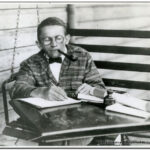
June 9, 1927: Karl Dewey Myers was named the state's first poet laureate by Gov. Howard Mason Gore. Myers held the post for 10 years.
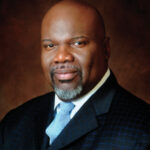
June 9, 1957: T.D. Jakes was born in South Charleston. As a boy, he preached to imaginary congregations and carried a Bible to school, which earned him the nickname "Bible Boy." He is the senior pastor at the Potter's House, a nondenominational church in Dallas, Texas.
June 10, 1775: The Berkeley County Riflemen were organized by Capt. Hugh Stephenson of Shepherdstown, in response to a call for Revolutionary War soldiers by Gen. George Washington.
June 10, 1921: Labor leader Daniel Vincent Maroney was born on Cabin Creek, Kanawha County. Maroney served as international president of the Amalgamated Transit Union from 1973-81.
June 11, 1866: Architect Elmer Forrest Jacobs was born in Preston County. His work can be seen particularly in downtown Morgantown, in residential South Park, and on the West Virginia University campus. Most of his Morgantown buildings are now listed in the National Register of Historic Places.
June 12, 2006: Robert C. Byrd became the longest-serving United States senator in history. He served in the Senate from 1959 until his death in 2010. His record was broken in 2013, by Congressman John Dingell, a Michigan Democrat, but Byrd still retains the Senate record.
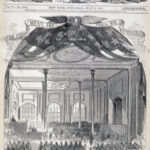
June 13, 1861: The Second Wheeling Convention began in the federal courtroom of the Wheeling Custom House. This convention declared the Confederate state government in Richmond illegal; created a Reorganized Government of Virginia loyal to the United States; elected Francis Pierpont governor of Virginia; and called for the western counties to be formed into a new state.
June 13, 1928: Mathematician John Forbes Nash Jr. was born in Bluefield. In 1994, Nash was honored with the Nobel Prize in Economics. He was the subject of a best-selling biography, "A Beautiful Mind," which was later made into a movie.
June 14, 1912: Botanist Elizabeth Ann "Betty" Bartholomew was born in Wheeling. Bartholomew was instrumental in building the dried plant collection at West Virginia University from 30,000 to 140,000 specimens, and she initiated a 2,000-plant seed collection.
June 15, 1876: Attorney and civil right activist T. G. Nutter was born in Maryland. The first Black delegate from Kanawha County, he helped establish Lakin State Hospital and other institutions for Blacks, and crafted an anti-lynching law.
June 15, 1880: Musician "Blind Alfred" Reed was born in Floyd County, Va., though he spent most of his life in West Virginia. He composed and recorded some of the most creative topical country songs on Victor Records between 1927 and 1929.
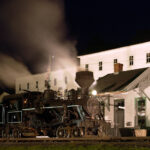
June 15, 1963: The Cass Scenic Railroad took its first passenger trip during the state's Centennial celebration.